What is 4571-Z flame-retardant fumed silicone compound?
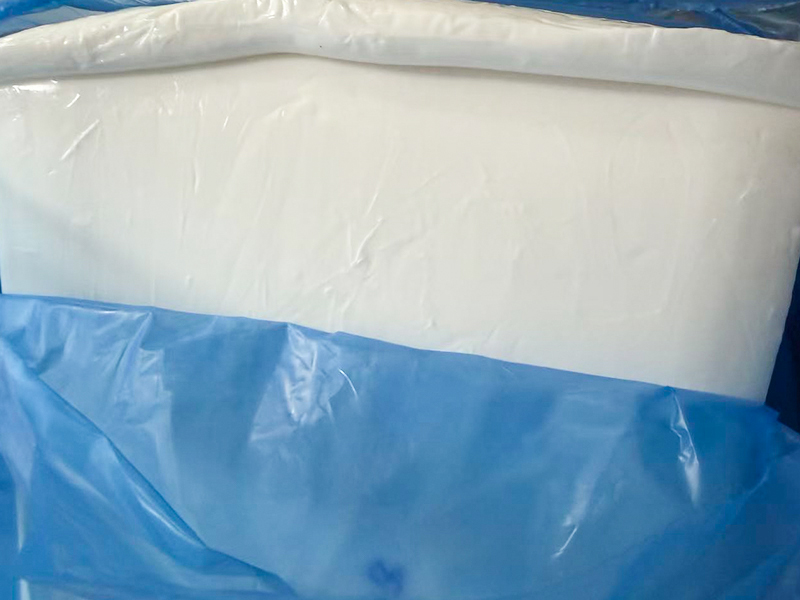
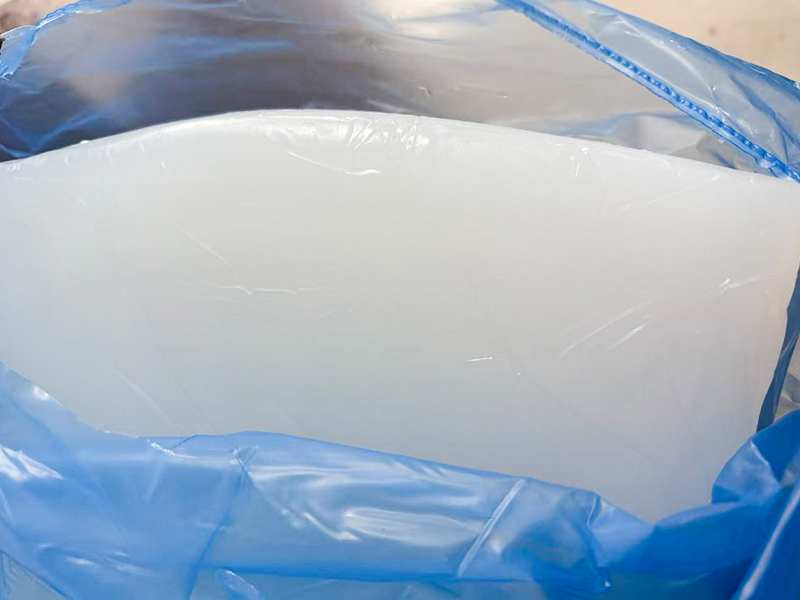
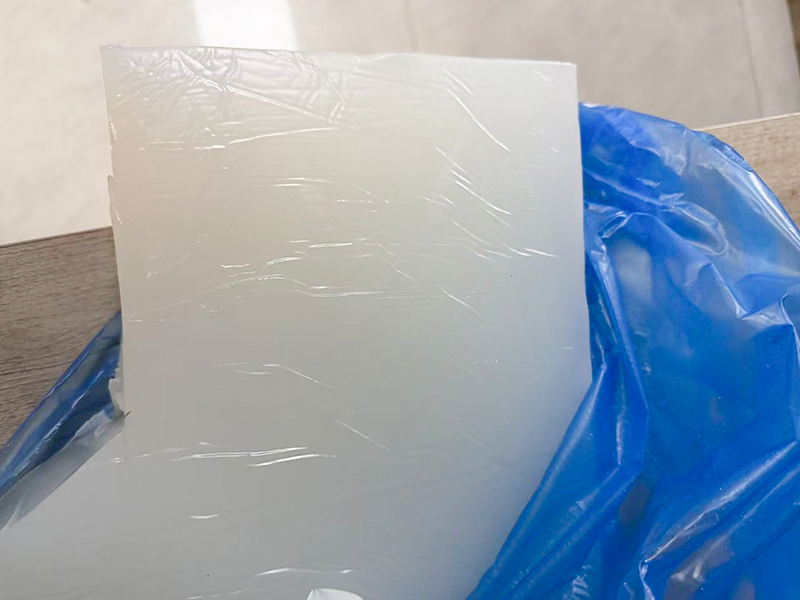
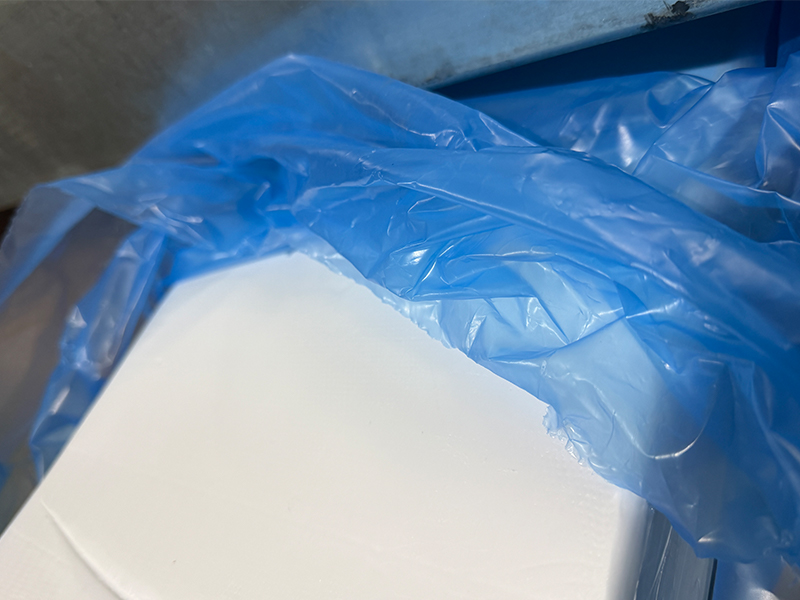
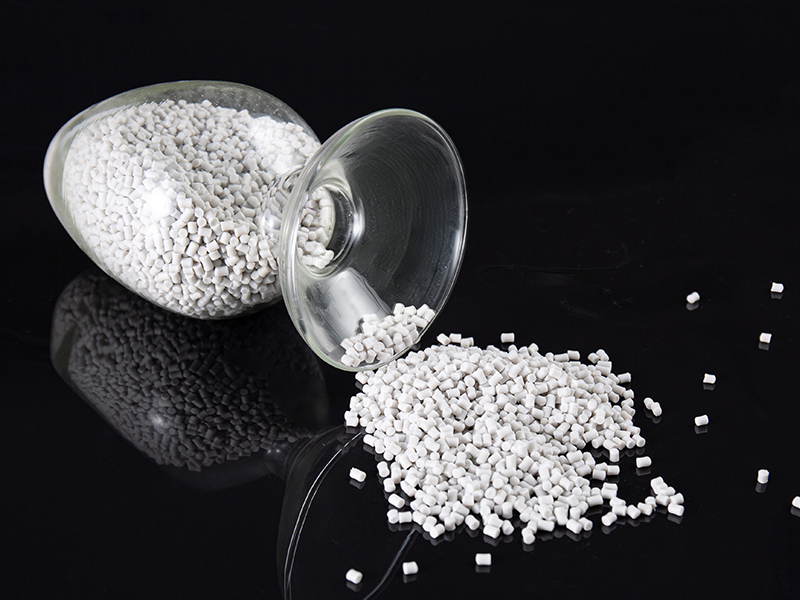
4571-z flame retardant silicone compound is a specialized milky-white fumed silicone elastomer engineered for applications where fire safety and structural integrity are paramount. By integrating advanced flame-retardant technology with a fumed silica base, this grade provides a robust defensive barrier against combustion while maintaining the high elasticity and easy processing characteristics required for industrial manufacturing. This article examines the composition, classification, and application-specific characteristics of 4571-z flame-retardant fumed silicone compound, exploring how its unique formulation addresses the critical balance between fire protection and mechanical durability. Liyang Tiansheng Insulating Materials Co., Ltd. has developed particular expertise in producing such high-performance compounds, serving the top ten cable manufacturers in China including Jiangsu Shangshang, New Far East, and Hengtong Group.
1. Composition and Technical Foundation
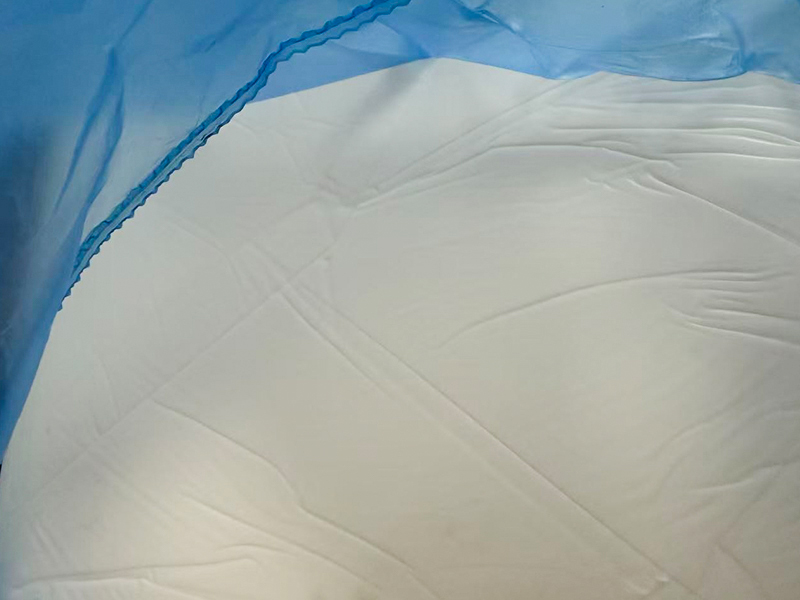
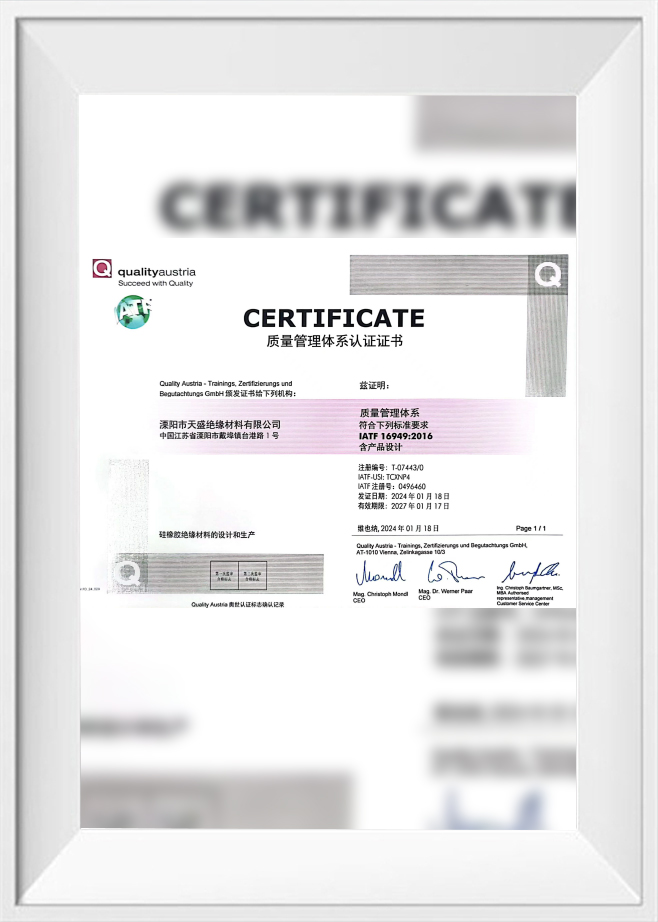
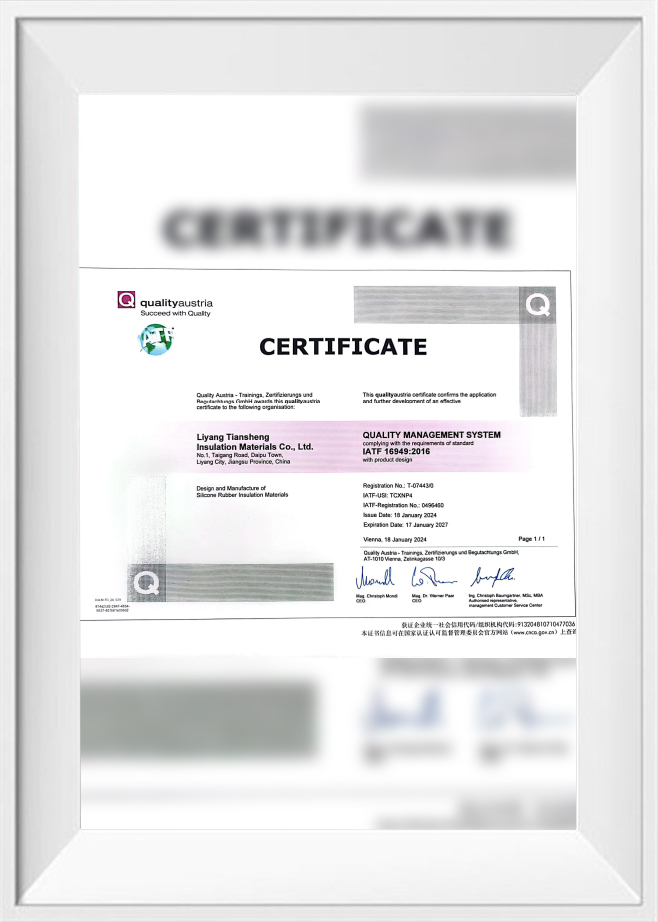
The foundation of 4571-z fumed silicone rubber is a high-molecular-weight polydimethylsiloxane (PDMS) gum reinforced with fumed silica. Unlike precipitated silica grades, fumed silica provides significantly higher specific surface area and more effective reinforcement, enabling the compound to achieve superior mechanical strength while maintaining the flexibility essential for cable and gasket applications. The 4571-z flame retardant silicone compound incorporates advanced flame-retardant systems—typically platinum-based or ceramic-forming additives—that provide a robust defensive barrier against combustion. The material’s milky-white appearance is characteristic of fumed silica-reinforced compounds. Liyang Tiansheng produces this compound using high-quality imported raw materials and specialized products from listed companies as key production materials, with production processes managed under the IATF 16949 new energy management system, ensuring batch-to-batch consistency.
Key Characteristics of 4571-Z
- Color: Milky-white, indicating fumed silica reinforcement
- Flame Retardance: UL94 V-0 rating with low-smoke characteristics
- Elasticity: High resilience with excellent recovery after deformation
- Processing: Easy extrusion and molding characteristics
- Thermal Stability: Maintains properties from -60°C to 200°C
2. Product Categories and Applications
The 4571-z flame-retardant fumed silicone compound family encompasses several specialized product variants, each optimized for specific application requirements. The following three categories represent the most commercially significant formulations within this performance-driven segment.
2.1 General-Purpose Flame-Retardant Compound
Definition and Positioning: General-purpose 4571-z flame retardant silicone compound provides a balanced combination of fire resistance, mechanical toughness, and processability. This grade serves as the baseline product for cable insulation and gasket applications requiring enhanced flame retardance without extreme performance specifications. It is designed for applications where fire safety and structural integrity are paramount, providing a robust defensive barrier against combustion while maintaining high elasticity and easy processing characteristics.
Core Functionality and Technical Characteristics: This 4571-z fumed silicone rubber grade achieves UL94 V-0 flame rating with low-smoke emissions. The material exhibits tensile strength of 7–9 MPa with elongation at break of 400–600%. The fumed silica reinforcement provides superior tear resistance compared to precipitated silica grades, while the flame-retardant system ensures rapid self-extinguishing properties. The compound maintains high elasticity and easy processing characteristics, enabling efficient manufacturing of cable insulation and gasket components. Liyang Tiansheng has accumulated extensive practical experience in producing this grade, supported by a complete testing system that ensures consistent quality.
Typical Applications: This grade is widely used for cable insulation, gaskets, and seals in building construction and industrial equipment where fire safety is a primary concern. It serves as a robust defensive barrier against combustion in general-purpose applications.
Differentiation and Company Capabilities: The balanced performance profile distinguishes this product. Liyang Tiansheng produces this grade with rigorous quality control, ensuring consistent flame-retardant and mechanical properties across all batches.
2.2 High-Temperature Cable Compound
Definition and Positioning: High-temperature cable compound is a specialized formulation of 4571-z flame-retardant fumed silicone compound optimized for elevated temperature environments. This grade addresses the unique challenges of cable systems operating near high-heat sources, where both fire resistance and thermal stability are critical. It integrates advanced flame-retardant technology with a fumed silica base to provide a robust defensive barrier against combustion while maintaining structural integrity at elevated temperatures.
Core Functionality and Technical Characteristics: This 4571-z fumed silicone rubber grade maintains continuous service capability up to 220°C while achieving UL94 V-0 flame rating. The compound exhibits tensile strength retention exceeding 80% after 1,000 hours of thermal aging at 200°C. The fumed silica reinforcement ensures mechanical durability under thermal stress, while the flame-retardant system remains effective at elevated temperatures. The material maintains high elasticity and easy processing characteristics required for industrial manufacturing, enabling efficient production of high-temperature cables.
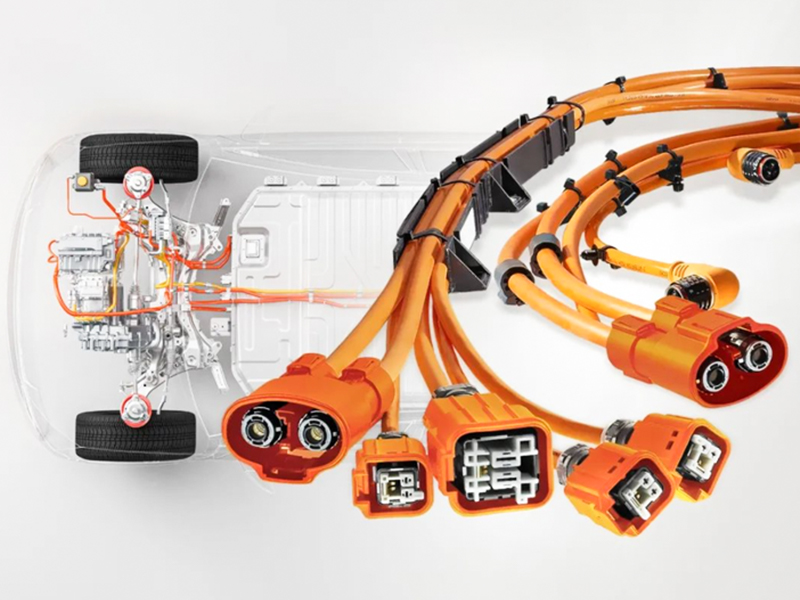
Typical Applications: This grade is used for high-temperature cables in steel mills, glass manufacturing, and petrochemical facilities. It is ideal for applications where both fire safety and thermal stability are required. Liyang Tiansheng focuses on promoting new-type fire-resistant silicone materials for aerospace, nuclear power, and new energy vehicles, with annual sales exceeding 50 million yuan.
Differentiation and Company Capabilities: The thermal stability combined with flame retardance distinguishes this product. Liyang Tiansheng has optimized its formulations through extensive practical experience, ensuring reliable performance in demanding high-temperature environments.
2.3 High-Flexibility Cable Compound
Definition and Positioning: High-flexibility cable compound represents the most mechanically demanding category of 4571-z flame-retardant fumed silicone compound, designed for dynamic applications requiring both flame retardance and exceptional flexibility. This grade addresses the challenges of automated manufacturing and robotic systems where cables undergo continuous bending while maintaining fire safety. It integrates advanced flame-retardant technology with a fumed silica base to provide a robust defensive barrier against combustion while maintaining high elasticity and easy processing characteristics.
Core Functionality and Technical Characteristics: This 4571-z fumed silicone rubber grade exhibits exceptional resistance to flex fatigue, withstanding over 10 million flex cycles without cracking. The compound maintains UL94 V-0 flame rating while offering tear strength exceeding 35 kN/m. The fumed silica reinforcement ensures mechanical durability under dynamic stress, while the flame-retardant system remains effective throughout the material's service life. The compound maintains high elasticity and easy processing characteristics required for industrial manufacturing, enabling efficient production of flexible cables.
Typical Applications: This grade is used for robotic cables, drag chain cables, and automated manufacturing equipment. It is ideal for applications requiring both fire safety and high mechanical durability.
Differentiation and Company Capabilities: The combination of high flexibility and flame retardance distinguishes this product. Liyang Tiansheng serves the top ten cable manufacturers in China, with its professional and technical capabilities remaining at the leading level among domestic counterparts.
Comparative Overview: 4571-Z Product Grades
| Property |
General-Purpose |
High-Temperature |
High-Flexibility |
| UL94 Flame Rating |
V-0 |
V-0 |
V-0 |
| Tensile Strength (MPa) |
7–9 |
7–9 |
8–10 |
| Tear Strength (kN/m) |
30–35 |
28–32 |
≥35 |
| Continuous Temperature |
-60°C to 200°C |
-60°C to 220°C |
-60°C to 200°C |
| Key Application |
General cable, gaskets |
High-temperature cables |
Robotic cables |
3. Quality Assurance in 4571-Z Production
The production of 4571-z flame retardant silicone compound requires comprehensive quality assurance systems. Liyang Tiansheng operates under the IATF 16949 new energy management system, maintaining a complete testing system to verify flame retardance, mechanical properties, and thermal stability. The company's rigorous working attitude ensures consistent quality across its 5,000-ton annual production capacity, serving the top ten cable manufacturers in China.
- Raw Material Verification: Testing of incoming fumed silica, polymers, and flame retardants
- In-Process Control: Monitoring of dispersion quality and compounding parameters
- Product Testing: Verification of mechanical, thermal, and flame-retardant properties
- Traceability: Full documentation of production history and material sources
4. Frequently Asked Questions
Q1: What does "4571-Z" designate in this silicone compound?
4571-z flame retardant silicone compound is a product designation indicating a specific formulation with fumed silica reinforcement and advanced flame-retardant technology. The "Z" typically denotes the specialized flame-retardant additive package integrated with the fumed silica base.
Q2: How does 4571-Z compare to standard flame-retardant silicone compounds?
4571-z fumed silicone rubber uses fumed silica reinforcement rather than precipitated silica, providing superior mechanical strength, tear resistance, and thermal stability compared to standard compounds while maintaining UL94 V-0 flame retardance.
Q3: What quality standards does Liyang Tiansheng follow for 4571-Z?
Liyang Tiansheng Insulating Materials Co., Ltd. operates under the IATF 16949 management system, using high-quality imported raw materials and maintaining a complete testing system to verify flame retardance and mechanical properties.
Q4: Can 4571-Z be used in dynamic cable applications?
Yes. Specialized high-flexibility grades of 4571-z flame-retardant fumed silicone compound are available for robotic and drag chain cables, offering flex life exceeding 10 million cycles while maintaining UL94 V-0 flame retardance.



 English
 русский
 Español