

 English
 русский
 Español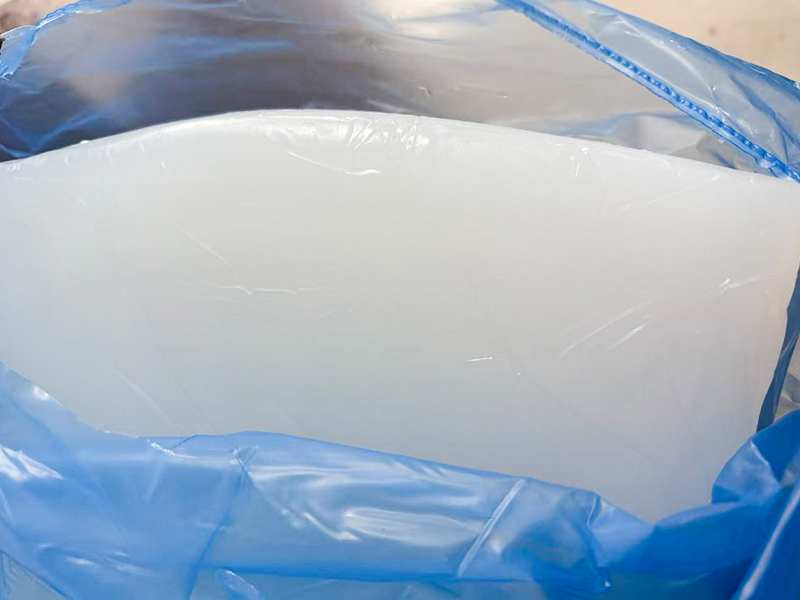
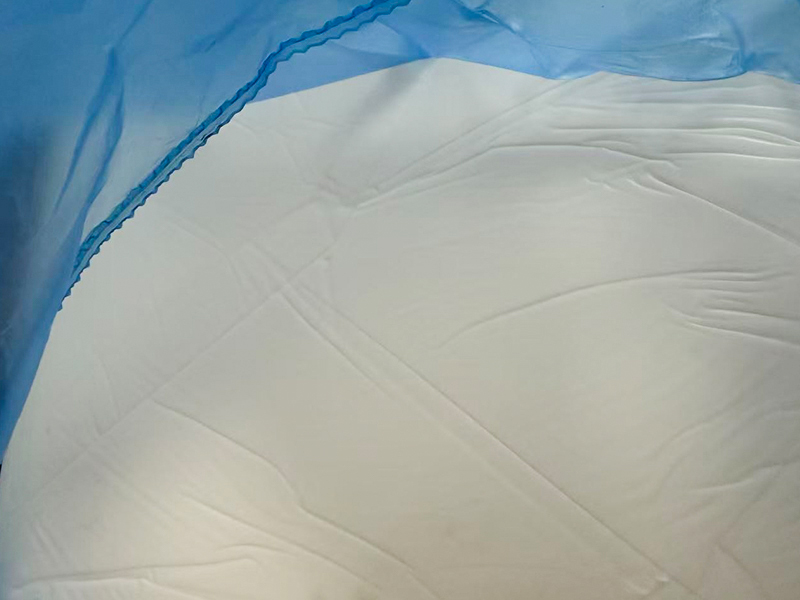
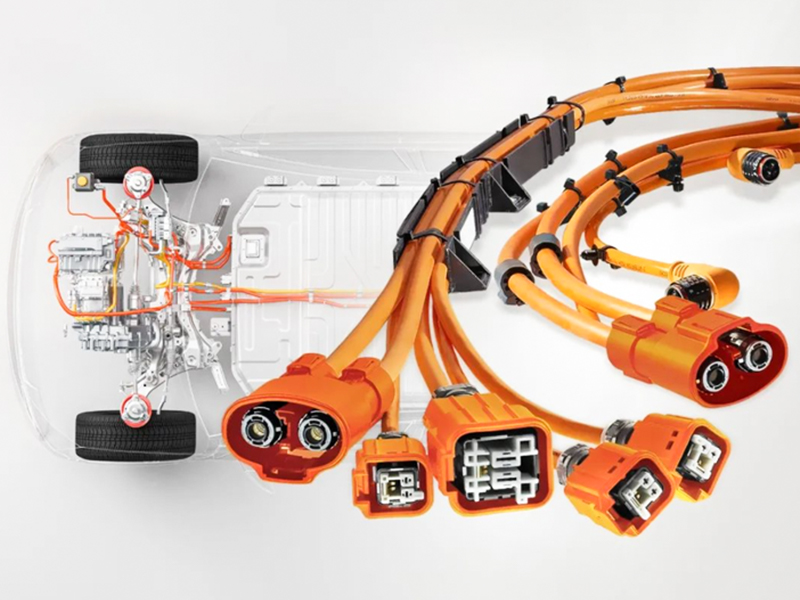
Introduction: The Critical Role of Fumed Silicone Rubber in Advanced Industries In automotive turbocharging systems, medical devices, and aerospace sealing applications, material failure is not just an inconvenience—it ...
READ MORE

Custom Fumed Silicone Rubber Compound Manufacturers
The Fumed Silicone Rubber series represents the high-performance tier of our product portfolio. Utilizing advanced fumed silica reinforcement technology and precision molecular structural design, this series is engineered to resolve material failure in complex operating conditions. Whether for dynamic applications requiring extreme mechanical strength or energy transmission sectors with stringent electrical safety demands, the Fumed series provides stability and durability that far exceed conventional materials.
About Us
Liyang Tiansheng Insulating Materials Co., Ltd.
Liyang Tiansheng Insulating Materials Co., Ltd. is China Custom Fumed Silicone Rubber Manufacturers and Fumed Silicone Rubber Compound Suppliers, founded in 2013. It is a professional service provider dedicated to application solutions for flame‑retardant and fire‑resistant insulation materials, as well as thermal runaway solutions.
Boasting a strong technical team and more than 40 professional employees, Liyang Tiansheng produces technically mature products at an advanced industry level. The company serves the top ten cable manufacturers in China, including Jiangsu Shangshang, New Far East, and Hengtong Group.
Liyang Tiansheng focuses on promoting new‑type fire‑resistant silicone materials and silicone applications for aerospace, nuclear power, new energy vehicles, and related components. Its core business covers various special silicone rubber products for cable manufacturers. After years of steady development, the company now has an annual production capacity of 5,000 tons of various special silicone rubber and fire‑resistant insulation products, with annual sales exceeding 50 million yuan.
The company mainly uses high‑quality imported raw materials and specialized products from listed companies as its key production materials. Production processes are managed in accordance with the IATF 16949 new energy management system. Supported by extensive practical experience, a rigorous working attitude, and a complete testing system, the company ensures the quality of its products and services. Its professional and technical capabilities remain at the leading level among domestic counterparts. We offer Fumed Silicone Rubber for sale.
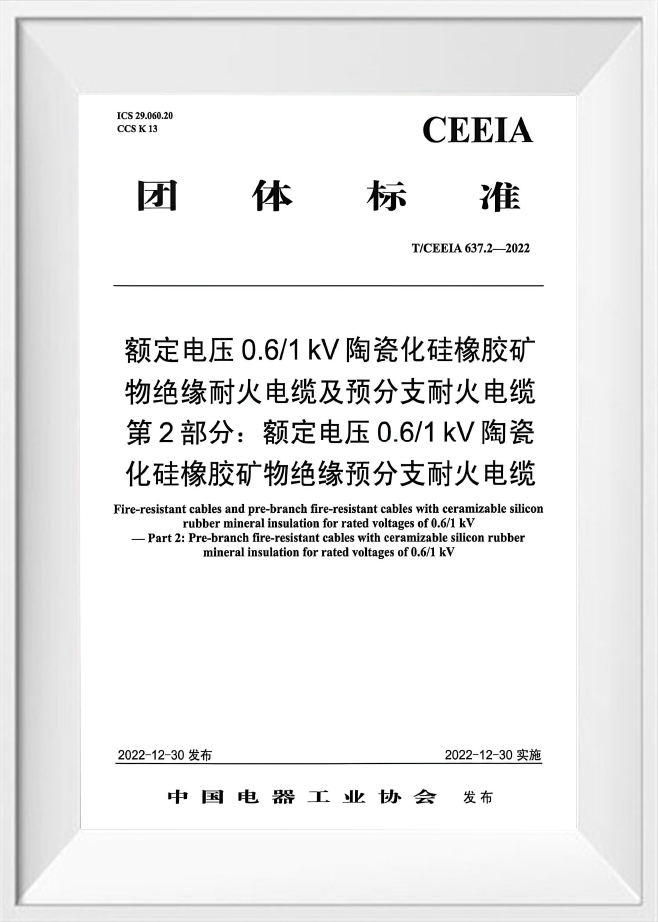
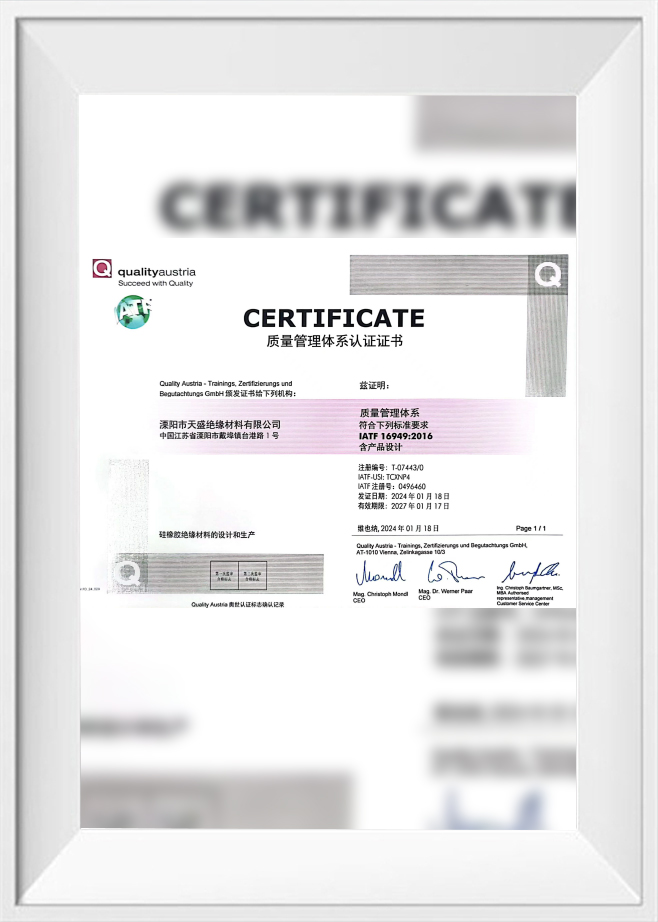
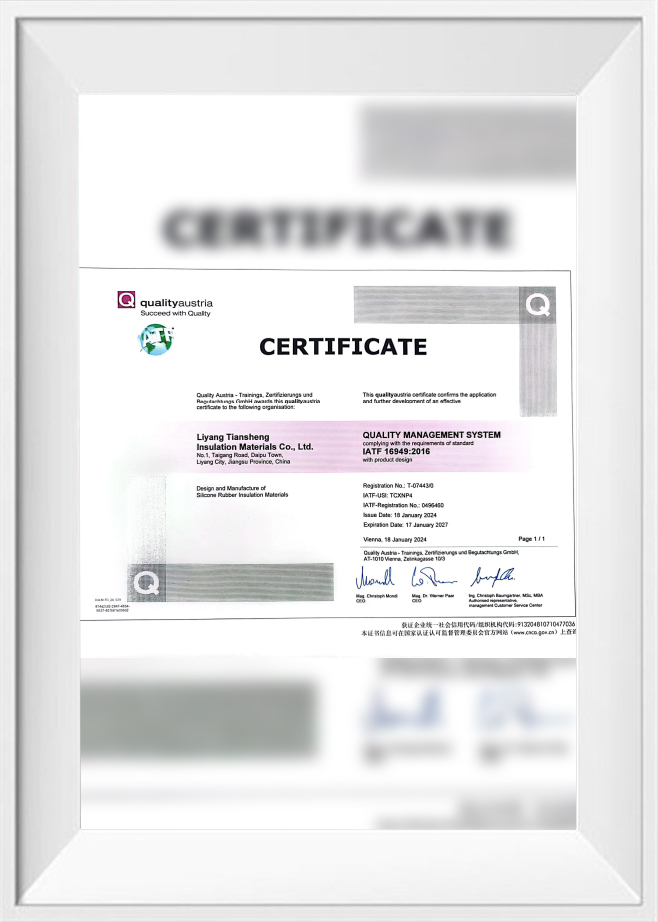
Certificate of Honor
News
-
-
Selecting a reliable silicone rubber supplier is one of the most critical decisions a manufacturer can make. The quality of your finished products depends directly on the materials you source, and this choice affects ev...
READ MORE -
Understanding Silicone Rubber Products and Their Market Presence Silicone rubber has become indispensable across countless industries due to its exceptional thermal stability, chemical resistance, and flexibility. From...
READ MORE -
Understanding Silicone Rubber Gaskets in Industrial Applications Silicone rubber gaskets have become essential components in modern industrial sealing solutions. These versatile materials offer exceptional performance a...
READ MORE
Fumed Silicone Rubber Compound Industry knowledge
What are the key certifications to look for when choosing a fumed silicone rubber supplier?
Selecting a supplier for fumed silicone rubber compound requires careful evaluation beyond basic material specifications. The high-performance nature of these materials—reinforced with fumed silica to achieve exceptional mechanical strength, thermal stability, and dielectric properties—demands that suppliers demonstrate consistent quality through recognized certifications. This article examines the essential certifications that distinguish reliable suppliers of fumed silicone rubber from commodity producers, providing a framework for informed procurement decisions. For manufacturers of critical components in aerospace, new energy vehicles, and high-end cable systems, understanding these quality benchmarks is essential. Liyang Tiansheng Insulating Materials Co., Ltd. has established itself as a trusted provider of high-performance silicone compounds, with its production processes certified under internationally recognized management systems that ensure consistent quality across its product portfolio.
1. The Technical Significance of Fumed Silicone Rubber
Before examining certification requirements, it is essential to understand what distinguishes fumed silicone rubber compound from conventional silicone elastomers. Unlike precipitated silica-reinforced grades, fumed silicone rubber utilizes pyrogenic silica with specific surface areas typically exceeding 200 m²/g. This advanced reinforcement technology, combined with precision molecular structural design, enables these materials to resolve material failure in complex operating conditions. The resulting compounds exhibit significantly higher tensile strength, tear resistance, and abrasion resistance compared to standard grades. For dynamic applications requiring extreme mechanical strength or energy transmission sectors with stringent electrical safety demands, fumed silicone rubber compound provides stability and durability that far exceed conventional materials. The production of such high-performance materials requires sophisticated manufacturing capabilities and rigorous quality control—factors that are directly reflected in a supplier's certification portfolio.
The reinforcement mechanism of fumed silica involves hydrogen bonding and physical entanglement between the silica nanoparticles and the polymer chains, creating a three-dimensional network that dramatically enhances mechanical properties. However, this same reinforcement mechanism makes processing more demanding, requiring precise control of mixing parameters, temperature management, and dispersion quality. Suppliers of fumed silicone rubber must demonstrate mastery of these technical challenges through consistent product quality—a capability that is validated through proper certifications. The company's strong technical team, comprising more than 40 professional employees, ensures that its fumed silicone products meet the most demanding specifications required by top-tier cable manufacturers.
2. Essential Certifications for Fumed Silicone Rubber Suppliers
When evaluating potential suppliers of fumed silicone rubber compound, procurement professionals should prioritize the following certification categories, each addressing different aspects of quality and capability.
2.1 Quality Management System Certifications
Definition and Positioning: Quality management system (QMS) certifications form the foundation of supplier qualification. These certifications demonstrate that a supplier has implemented systematic processes for quality control, continuous improvement, and customer satisfaction. For fumed silicone rubber suppliers, QMS certifications are non-negotiable prerequisites for serious consideration.
Core Requirements: The most widely recognized QMS certification is ISO 9001, which establishes requirements for a quality management system that consistently provides products meeting customer and regulatory requirements. However, for suppliers serving the automotive and new energy vehicle sectors, IATF 16949 represents a more rigorous standard. This automotive-specific certification incorporates ISO 9001 requirements while adding sector-specific demands related to product safety, defect prevention, and supply chain management. Suppliers holding IATF 16949 certification have demonstrated their ability to meet the stringent quality expectations of the automotive industry, which translates to higher reliability for any application. Liyang Tiansheng operates its production processes under the IATF 16949 new energy management system, reflecting its commitment to the highest quality standards.
Evaluation Criteria: When assessing QMS certifications, buyers should verify that the certification scope explicitly covers the production of silicone rubber compounds. The certificate should be issued by an accredited certification body, and the supplier should be able to provide audit reports demonstrating ongoing compliance.
2.2 Product-Specific Certifications
Definition and Positioning: Product-specific certifications address the particular performance requirements of end-use applications. These certifications are particularly important for fumed silicone rubber compound used in regulated industries such as aerospace, automotive, and electrical equipment manufacturing.
Core Requirements: Key product certifications for fumed silicone rubber include:
- UL Recognition: Underwriters Laboratories certification verifies that the material meets specific safety standards for electrical applications, including flame retardance and dielectric properties
- RoHS and REACH Compliance: Confirms that the material is free from restricted hazardous substances and meets European environmental regulations
- FDA Compliance: Required for applications involving food contact, verifying that the compound meets purity and extraction requirements
- Flame Retardancy Certifications: UL 94 V-0 or equivalent ratings demonstrate the material's performance in fire scenarios
Evaluation Criteria: Buyers should request copies of product-specific certifications and verify that they apply to the specific grades being considered. Certifications should be current, and the supplier should be able to provide test reports supporting the certified performance claims.
2.3 Technical Capability and Testing Certifications
Definition and Positioning: Technical capability certifications demonstrate that a supplier possesses the testing infrastructure and technical expertise necessary to verify product quality. For fumed silicone rubber compound, which requires sophisticated analytical testing to ensure consistent performance, these certifications are particularly valuable.
Core Requirements: Important technical certifications include:
- ISO/IEC 17025 Accreditation: Demonstrates that the supplier's testing laboratory operates competently and generates valid results
- Supplier Quality Certifications: Recognition from major customers or industry bodies that validates the supplier's capability
- Raw Material Traceability Certifications: Confirm that the supplier maintains documented traceability of all incoming materials
Evaluation Criteria: Buyers should assess whether the supplier has a complete testing system for verifying key properties including tensile strength, tear resistance, dielectric strength, and thermal stability. The company's rigorous working attitude and complete testing system ensure the quality of its fumed silicone rubber products, backed by extensive practical experience in serving the top ten cable manufacturers in China.
Comparative Overview: Certification Requirements by Application
| Certification Type | General Industrial | Automotive/NEV | Aerospace |
| ISO 9001 | Required | Required | Required |
| IATF 16949 | Recommended | Required | Recommended |
| UL Recognition | Often Required | Often Required | Required |
| ISO/IEC 17025 | Recommended | Required | Required |
| RoHS/REACH | Required | Required | Required |
3. Evaluating Supplier Capability Beyond Certifications
While certifications provide essential evidence of a supplier's quality systems, procurement professionals should also evaluate additional factors when selecting a fumed silicone rubber compound supplier. The supplier's technical support capability is critical—can they assist with processing optimization, failure analysis, and material selection? The consistency of product quality across batches is equally important; suppliers using high-quality imported raw materials and maintaining strict process controls are more likely to deliver consistent fumed silicone rubber performance. The company's extensive practical experience and professional technical capabilities ensure its position at the leading level among domestic counterparts. Additionally, the supplier's supply chain reliability, including raw material sourcing and production capacity, should be assessed. With an annual production capacity of 5,000 tons of various silicone products and annual sales exceeding 50 million yuan, the company has demonstrated its ability to meet large-scale production demands while maintaining quality standards.
4. Frequently Asked Questions
Q1: What is the difference between fumed silicone rubber and precipitated silicone rubber?
fumed silicone rubber compound uses pyrogenic silica with much higher specific surface area than precipitated silica grades. This results in significantly superior mechanical properties including tensile strength, tear resistance, and abrasion resistance. fumed silicone rubber is preferred for demanding applications requiring extreme performance, while precipitated grades offer more cost-effective solutions for general-purpose uses.
Q2: Why is IATF 16949 certification important for fumed silicone rubber suppliers?
IATF 16949 is the automotive industry's quality management standard, incorporating ISO 9001 requirements with additional automotive-specific demands. For fumed silicone rubber compound suppliers serving new energy vehicle applications, this certification demonstrates their ability to meet the industry's stringent quality, safety, and defect-prevention requirements. The company's IATF 16949 certification reflects its commitment to the highest quality standards.
Q3: What testing capabilities should a fumed silicone rubber supplier possess?
A qualified fumed silicone rubber supplier should maintain a complete testing system capable of verifying tensile strength, tear resistance, hardness, compression set, dielectric strength, volume resistivity, and thermal stability. ISO/IEC 17025 accreditation provides additional assurance of testing competence and result reliability.
Q4: How does Liyang Tiansheng ensure the quality of its fumed silicone rubber products?
Liyang Tiansheng Insulating Materials Co., Ltd. operates under the IATF 16949 management system, uses high-quality imported raw materials, maintains a complete testing system, and employs a strong technical team of more than 40 professionals. The company's rigorous working attitude and extensive practical experience ensure consistent quality across its product portfolio, serving top-tier cable manufacturers including Jiangsu Shangshang, New Far East, and Hengtong Group.

Subscribe to Newsletters
What to stay up to date?
Contact us via the email address below.
Head office
No. 16, Industrial Concentration Zone, Daibu Town, Liyang City, China
Scan code
Email
lyts@lyts2023.com
Phone
+86-17625747685
Tel
+86-519-87902211
Copyright 2026 Liyang Tiansheng Insulating Materials Co., Ltd. All Rights Reserved.
Custom Fumed Silicone Rubber Factory

Are You Interested?
Are You Interested?
