

 English
 русский
 Español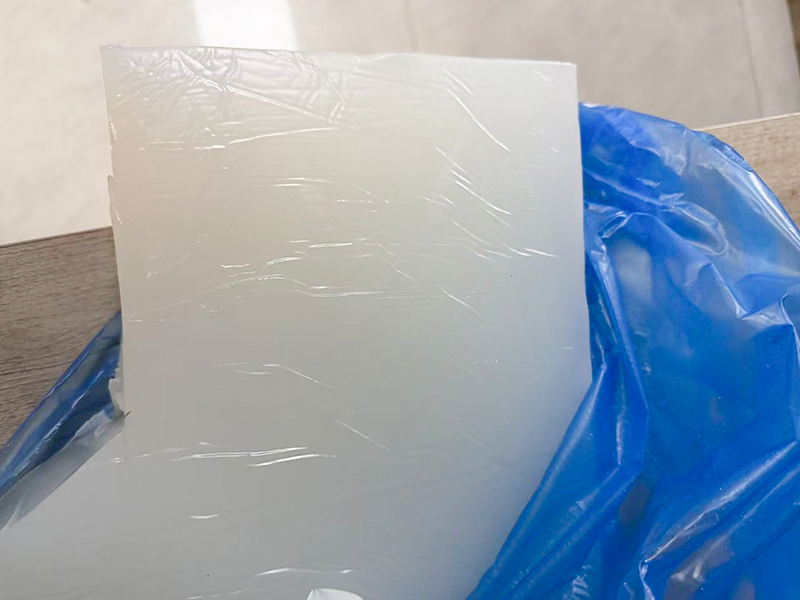
Introduction: The Critical Role of Fumed Silicone Rubber in Advanced Industries In automotive turbocharging systems, medical devices, and aerospace sealing applications, material failure is not just an inconvenience—it ...
READ MORE

Custom Ordinary Silicone Rubber Manufacturers
As a high-performance elastomer, silicone rubber encompasses a wide spectrum of materials, ranging from solid High Temperature Vulcanized (HTV) grades to liquid Room Temperature Vulcanized (RTV) systems, depending on their cross-linking mechanisms and diverse applications. In the field of industrial cable manufacturing, we systematically categorize general-purpose silicone rubber into specialized insulation and sheathing compounds based on the structural requirements of the cable. This classification system aims to deliver customized material solutions for extreme environments by balancing electrical integrity and physical protection through targeted formula optimization.
About Us
Liyang Tiansheng Insulating Materials Co., Ltd.
Liyang Tiansheng Insulating Materials Co., Ltd. is China Custom Ordinary Silicone Rubber Factory and Ordinary Silicone Rubber Manufacturers, founded in 2013. It is a professional service provider dedicated to application solutions for flame‑retardant and fire‑resistant insulation materials, as well as thermal runaway solutions.
Boasting a strong technical team and more than 40 professional employees, Liyang Tiansheng produces technically mature products at an advanced industry level. The company serves the top ten cable manufacturers in China, including Jiangsu Shangshang, New Far East, and Hengtong Group.
Liyang Tiansheng focuses on promoting new‑type fire‑resistant silicone materials and silicone applications for aerospace, nuclear power, new energy vehicles, and related components. Its core business covers various special silicone rubber products for cable manufacturers. After years of steady development, the company now has an annual production capacity of 5,000 tons of various special silicone rubber and fire‑resistant insulation products, with annual sales exceeding 50 million yuan.
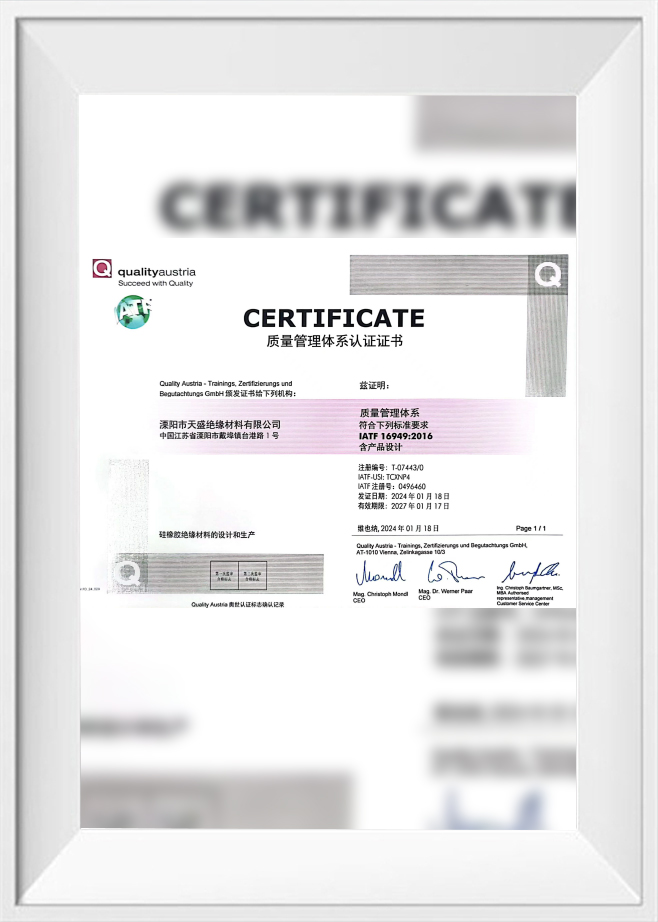
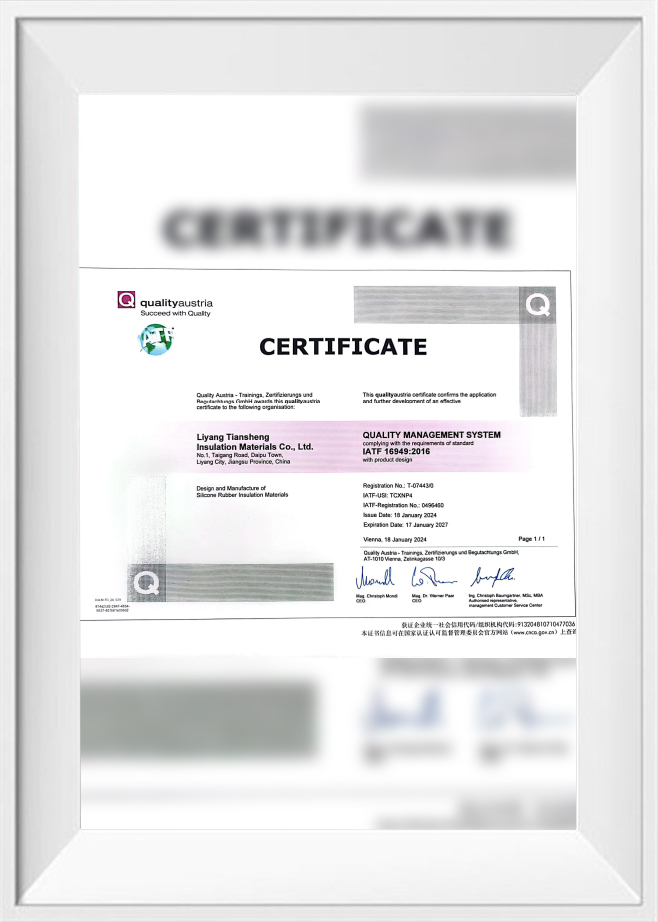
The company mainly uses high‑quality imported raw materials and specialized products from listed companies as its key production materials. Production processes are managed in accordance with the IATF 16949 new energy management system. Supported by extensive practical experience, a rigorous working attitude, and a complete testing system, the company ensures the quality of its products and services. Its professional and technical capabilities remain at the leading level among domestic counterparts. We offer Ordinary Silicone Rubber for sale.
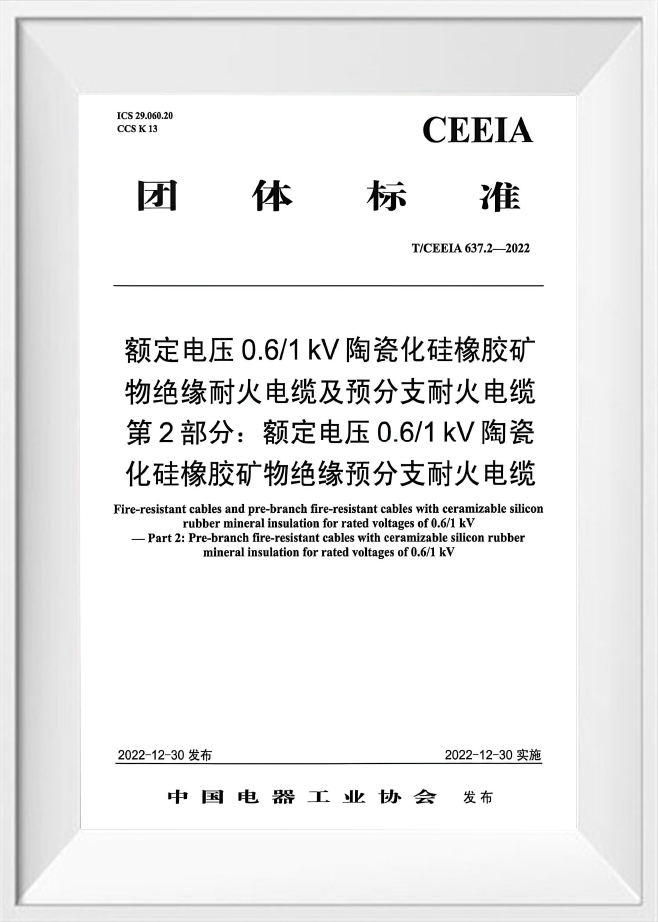
Certificate of Honor
News
-
-
Selecting a reliable silicone rubber supplier is one of the most critical decisions a manufacturer can make. The quality of your finished products depends directly on the materials you source, and this choice affects ev...
READ MORE -
Understanding Silicone Rubber Products and Their Market Presence Silicone rubber has become indispensable across countless industries due to its exceptional thermal stability, chemical resistance, and flexibility. From...
READ MORE -
Understanding Silicone Rubber Gaskets in Industrial Applications Silicone rubber gaskets have become essential components in modern industrial sealing solutions. These versatile materials offer exceptional performance a...
READ MORE
Ordinary Silicone Rubber Industry knowledge
What is ordinary silicone rubber and how does it differ from specialty grades?
ordinary silicone rubber represents the foundational tier of silicone elastomers, serving as the workhorse material for countless industrial and consumer applications. Chemically, it consists of a polydimethylsiloxane (PDMS) backbone with methyl side groups, reinforced with precipitated silica fillers to achieve practical mechanical properties. This base formulation delivers the characteristic benefits of silicone—thermal stability from -60°C to 200°C, excellent electrical insulation, ozone resistance, and physiological inertness—without the specialized modifications that define premium grades. For manufacturers of general-purpose seals, gaskets, and molded components, ordinary silicone rubber offers a cost-effective balance of performance and processability. A prime example of a company that has built its production capabilities on a thorough command of silicone chemistry is Liyang Tiansheng Insulating Materials Co., Ltd., which leverages its technical foundation to deliver consistent, high-quality elastomeric products to demanding industrial clients.
1. Compositional Architecture of Ordinary Silicone Rubber
The fundamental composition of ordinary silicone rubber distinguishes it from both standard organic rubbers and high-end specialty silicones. The polymer backbone is a linear chain of alternating silicon and oxygen atoms, with organic groups—predominantly methyl (CH₃)—attached to the silicon atoms. This siloxane bond (Si-O-Si) is significantly more stable than the carbon-carbon bonds found in conventional rubbers, providing the material's exceptional resistance to thermal and oxidative degradation. To transform this gum-like polymer into a practical elastomer, reinforcing fillers are essential. ordinary silicone rubber typically employs precipitated silica as the primary reinforcement agent, in contrast to the more expensive fumed silica used in high-performance grades.
The choice of precipitated silica directly influences the compound's cost structure and performance ceiling. Precipitated silica, produced via a wet chemical process, offers adequate reinforcement at a lower price point, making ordinary silicone rubber economically viable for high-volume applications. The compound also includes crosslinking agents—typically organic peroxides for heat-cured systems—along with processing aids and stabilizers. This formulation approach, while effective for general uses, inherently limits the material's ultimate tensile strength and tear resistance compared to fumed silica-reinforced compounds. For manufacturers like Liyang Tiansheng, maintaining strict quality control over these raw material inputs is essential; the company sources high-quality imported materials and specialized products from listed suppliers to ensure batch-to-batch consistency across its entire production portfolio.
Key Properties of Ordinary Silicone Rubber
- Hardness Range: Typically available from 30 to 80 Shore A, with 40–70 being most common
- Density: Approximately 1.10–1.12 g/cm³
- Elongation: Up to 400% for standard grades
- Continuous Service Temperature: -60°C to 200°C
- Color: Translucent, milky white, light yellow, or gray
2. Classification of Silicone Rubbers: Where Does Ordinary Fit?
To properly understand ordinary silicone rubber, it must be positioned within the broader silicone rubber taxonomy. According to ASTM D1418, silicone rubbers are classified by their substituent groups:
- MQ: Methyl groups only—rarely used commercially
- VMQ: Methyl and vinyl groups—this is the general-purpose class where most ordinary silicone rubber products belong
- PMQ/PVMQ: Phenyl-containing grades for extreme low-temperature applications
- FVMQ: Fluorosilicones for fuel and oil resistance
Within the VMQ class, ordinary silicone rubber represents the baseline formulation—unmodified by phenyl groups, fluorinated substituents, or high-performance filler systems. By industrial processing method, silicones divide into High Temperature Vulcanizing (HTV) solids, Room Temperature Vulcanizing (RTV) liquids, and Liquid Silicone Rubber (LSR). ordinary silicone rubber is almost exclusively encountered as HTV solid rubber, processed via conventional rubber molding or extrusion equipment. While Liyang Tiansheng has built its reputation on advanced fire-resistant and specialty silicone solutions for aerospace, nuclear power, and new energy vehicle applications, the company's manufacturing infrastructure—certified under the IATF 16949 management system—also supports the production of standard VMQ grades with the same rigorous quality standards applied to its specialty offerings.
3. Product Categories Within Ordinary Silicone Rubber
While ordinary silicone rubber is itself a general-purpose category, it encompasses several product sub-types differentiated by curing system, hardness, and specific additive packages. The following three classifications represent the most commercially significant variants.
3.1 Peroxide-Cured General Purpose Silicone Rubber
Definition and Positioning: This is the most widely used form of ordinary silicone rubber, employing organic peroxides such as dicumyl peroxide or 2,4-dichlorobenzoyl peroxide as crosslinking agents. The material is supplied as a millable gum compound that requires hot-press or injection molding to achieve vulcanization. It serves as the baseline material for thousands of standard sealing and insulating applications where extreme performance requirements are absent.
Core Functionality and Technical Characteristics: Peroxide-cured ordinary silicone rubber exhibits a typical tensile strength of 4.5–7 MPa and elongation of 200–400%, depending on hardness grade. The curing reaction proceeds via free-radical mechanism, requiring temperatures of 150–180°C for complete vulcanization. Key characteristics include good compression set resistance (typically 25–40% after 22 hours at 177°C), excellent dielectric strength (15–20 kV/mm), and stable electrical properties across a wide frequency range. The material is inherently hydrophobic and repels water, contributing to its effectiveness as an electrical insulator.
Typical Applications: This grade dominates the production of general-purpose seals, O-rings, gaskets, and vibration dampers. It is extensively used in automotive under-hood components (non-oil-contact), household appliance seals, and electrical connector insulators. In the cable industry, it serves as insulation and sheathing for standard building wires and control cables. Its physiological inertness also allows food-contact applications subject to appropriate certification.
Differentiation and Company Capabilities: Compared to specialty grades, peroxide-cured ordinary silicone rubber offers the lowest cost and easiest processing. However, it leaves peroxide decomposition byproducts that may require post-cure baking to eliminate. Liyang Tiansheng applies its extensive practical experience and complete testing system to ensure that even these commodity-grade products meet the performance expectations of its diverse customer base, which includes many of China's top cable manufacturers.
3.2 Platinum-Catalyzed Addition-Cure Silicone Rubber
Definition and Positioning: Although more commonly associated with liquid silicone rubbers, platinum-catalyzed addition-cure systems are also available in solid ordinary silicone rubber form. These compounds employ a hydrosilylation reaction between vinyl-functionalized polymers and Si-H crosslinkers, catalyzed by a platinum complex. They represent a higher-performance tier within the ordinary category, offering advantages in cleanliness and consistency.
Core Functionality and Technical Characteristics: The addition-cure mechanism produces no volatile byproducts, enabling molding without post-cure and reducing cycle times. These ordinary silicone rubber grades typically exhibit lower compression set (15–30%) than peroxide-cured counterparts, better thermal stability, and superior transparency—a critical feature for optical and medical applications. The absence of peroxide decomposition products also makes these materials suitable for applications with strict outgassing requirements.
Typical Applications: Addition-cure ordinary silicone rubber finds use in high-clarity products such as baby bottle nipples, medical tubing, and light guide components. It is also preferred for molding applications requiring rapid cycles and minimal secondary operations. In the electronics sector, these compounds serve as encapsulation materials and dielectric layers where purity is paramount.
Differentiation and Company Capabilities: The key differentiator is the "no post-cure" benefit and the ability to achieve tighter dimensional tolerances. The platinum catalyst system is sensitive to catalyst poisons (e.g., amines, sulfur compounds), requiring careful handling. With an annual production capacity exceeding 5,000 tons across its silicone and fire-resistant product lines, Liyang Tiansheng has developed the process control expertise necessary to manage these sensitive chemistries reliably.
3.3 Flame-Retardant Ordinary Silicone Rubber
Definition and Positioning: While silicone rubber inherently offers some flame resistance, standard ordinary silicone rubber is combustible. Flame-retardant grades incorporate additive systems—typically metal hydroxides, platinum-based synergists, or ceramic-forming fillers—to achieve UL 94 V-0 or V-1 ratings. These products bridge the gap between standard and specialty materials, representing the highest-value segment within the ordinary category.
Core Functionality and Technical Characteristics: Flame-retardant ordinary silicone rubber maintains most mechanical properties of standard grades while achieving limiting oxygen index (LOI) values of 28–35%. A critical advantage is the material's low smoke and non-toxic gas emission during combustion—a decisive factor for enclosed spaces and mass transit applications. The flame-retardant package can affect processing behavior, often requiring adjustments to curing conditions.
Typical Applications: These compounds are essential for wire and cable insulation in building construction, mining, and marine environments. They are also used in consumer electronics, aerospace interior components, and any application where fire safety regulations mandate flame-retardant materials. The cable industry relies heavily on such grades for fire-resistant cables—a market segment where Liyang Tiansheng has established a particularly strong presence, serving leading manufacturers including Jiangsu Shangshang, New Far East, and Hengtong Group.
Differentiation and Company Capabilities: Flame-retardant grades differentiate themselves through regulatory compliance and tested performance in fire scenarios. This is precisely the domain where Liyang Tiansheng has concentrated its core business strategy—developing flame-retardant and fire-resistant insulation solutions that address thermal runaway risks in critical applications. The company's professional and technical capabilities, supported by a team of more than 40 specialists, remain at the forefront of domestic silicone compound development.
Comparative Overview: Ordinary Silicone Rubber Grades
| Property | Peroxide-Cured General Purpose | Platinum-Catalyzed Addition-Cure | Flame-Retardant Grade |
| Curing Mechanism | Peroxide free-radical | Platinum hydrosilylation | Peroxide or platinum + FR package |
| Post-Cure Required | Typically yes | No | Varies |
| Typical Hardness (Shore A) | 40–70 | 30–80 | 40–70 |
| LOI Value | ≈22% | ≈22% | ≥28% |
| Key Advantage | Cost-effective, widely available | No byproducts, high purity | Fire safety compliance |
4. How Ordinary Silicone Rubber Differs from Specialty Grades
The distinction between ordinary silicone rubber and specialty grades is fundamentally about performance-cost trade-offs. Specialty grades are engineered to address specific limitations of the base silicone chemistry:
- Fluorosilicones (FVMQ): Replace methyl groups with trifluoropropyl substituents to provide resistance to fuels, oils, and solvents—where ordinary silicone rubber swells and fails.
- Phenyl Silicones (PVMQ): Incorporate phenyl groups to extend low-temperature performance down to -100°C and enhance radiation resistance.
- High-Strength Grades: Use fumed silica reinforcement and optimized vinyl content to achieve tensile strengths exceeding 10 MPa, versus the 4.5–7 MPa typical of ordinary silicone rubber.
- Ceramic-Forming Silicones: Contain special fillers that transform into a rigid ceramic shell under fire, providing active fire protection beyond the passive flame retardancy of standard grades.
In all these cases, ordinary silicone rubber remains the baseline—the material against which specialty grades are measured. Liyang Tiansheng has strategically positioned itself at the intersection of these two worlds: while its core business centers on advanced fire-resistant and specialty silicone solutions for high-stakes applications such as new energy vehicle battery systems and aerospace components, the company's foundational expertise in silicone compounding ensures that even its standard-grade products benefit from the same rigorous quality culture and technical oversight.
5. Frequently Asked Questions
Q1: What is the typical service temperature range for ordinary silicone rubber?
Ordinary silicone rubber can continuously operate from approximately -60°C to 200°C, with intermittent exposure up to 300°C possible without catastrophic failure. This range significantly exceeds that of conventional organic rubbers like EPDM or nitrile.
Q2: How does ordinary silicone rubber compare to specialty grades in terms of cost?
Ordinary silicone rubber is substantially more economical than specialty silicones such as fluorosilicones or ceramic-forming grades. The use of precipitated silica reinforcement and standard VMQ polymer keeps costs manageable, making it suitable for price-sensitive applications where extreme performance is not required.
Q3: What quality standards does Liyang Tiansheng follow for silicone rubber production?
The company manages its production processes under the IATF 16949 new energy management system, maintaining a comprehensive testing protocol and drawing on decades of accumulated processing experience. With annual sales exceeding 50 million yuan and a 5,000-ton production capacity, Liyang Tiansheng demonstrates its commitment to quality across both standard and specialty product lines.
Q4: Can ordinary silicone rubber be used in food-contact applications?
Yes, provided the specific compound meets relevant food safety regulations (e.g., FDA, LFGB). ordinary silicone rubber is physiologically inert and does not contain plasticizers or harmful additives in its base formulation, making it suitable for kitchenware, baby products, and food processing equipment after appropriate certification.

Subscribe to Newsletters
What to stay up to date?
Contact us via the email address below.
Head office
No. 16, Industrial Concentration Zone, Daibu Town, Liyang City, China
Scan code
Email
lyts@lyts2023.com
Phone
+86-17625747685
Tel
+86-519-87902211
Copyright 2026 Liyang Tiansheng Insulating Materials Co., Ltd. All Rights Reserved.
Custom Ordinary Silicone Rubber Suppliers

Are You Interested?
Are You Interested?
