

 English
 русский
 Español
Are You Interested?
Are You Interested?


Content
Flame-retardant silicone rubber compound sits at the meeting point of three disciplines: polymer formulation, cable engineering and fire safety testing. A specification that looks complete on paper can still fail in a vertical burn rig, crack after a thousand thermal cycles, or scorch inside a crosshead after two hours of extrusion. This guide covers what these compounds contain, how their fire performance is achieved, which family suits which cable duty, what to measure, and where the genuine trade-offs sit.
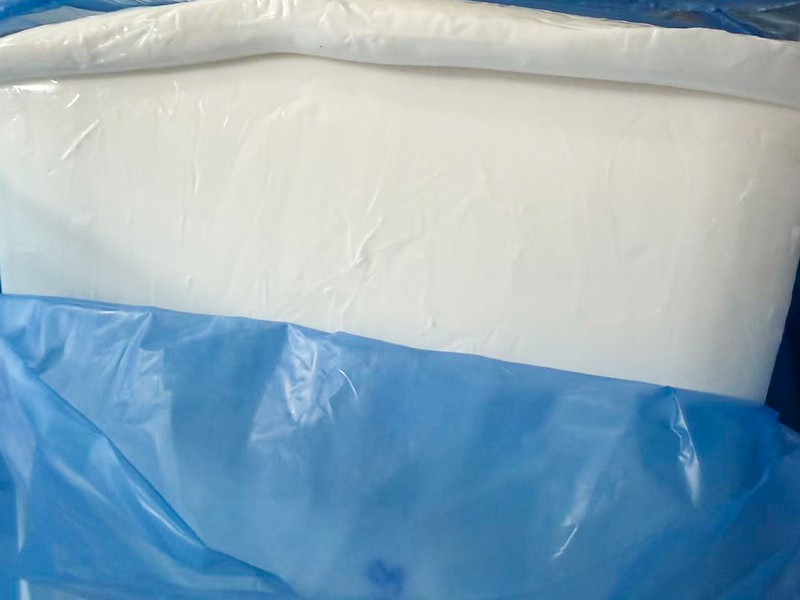
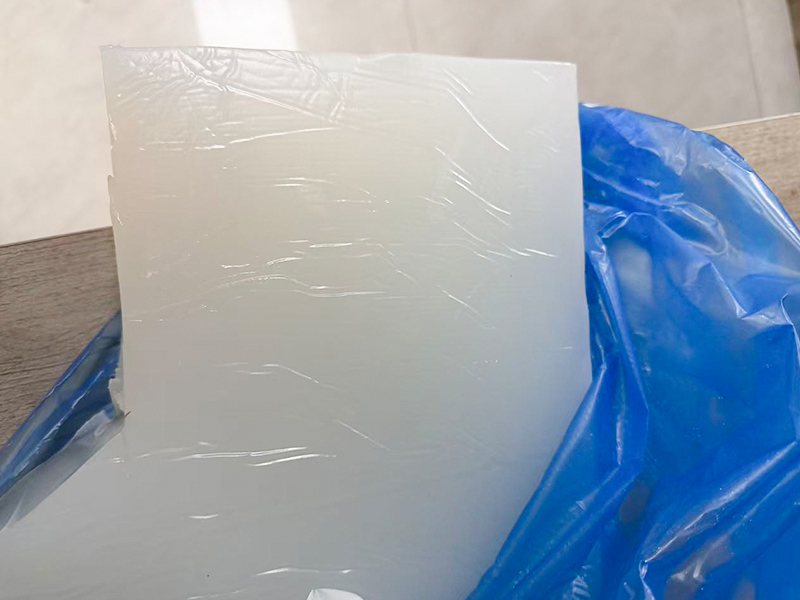
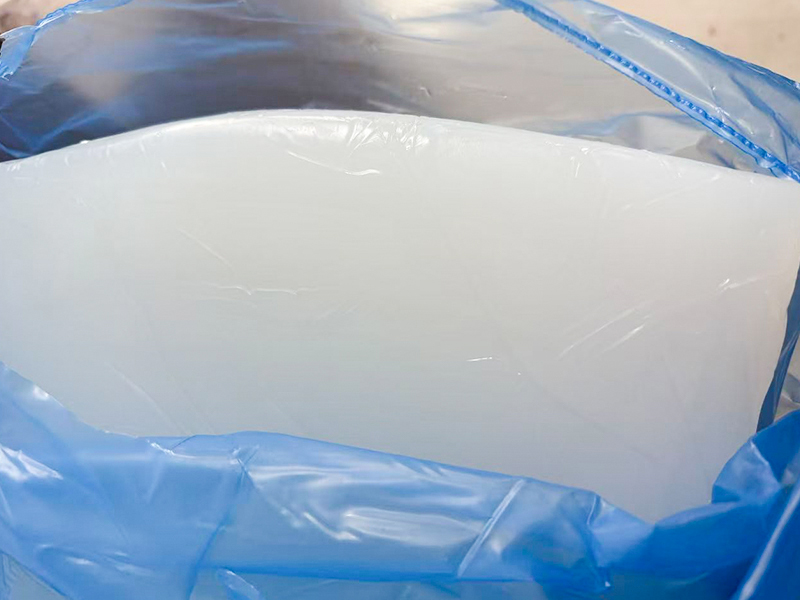
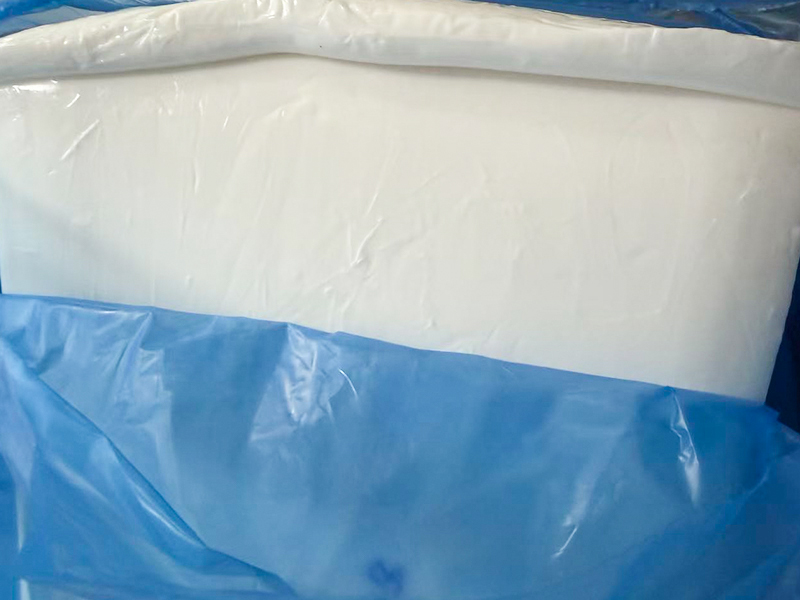
A flame-retardant silicone rubber compound is a ready-to-process elastomer in which a silicone polymer has been combined with reinforcing fillers, flame retardant additives, processing aids and a cure system. It arrives at the cable plant as millable sheet, strip or pellet, ready for extrusion, calendering or moulding.
Silicone elastomers are built on an inorganic silicon-oxygen backbone carrying organic side groups. That structure explains the fire behaviour. When ordinary organic rubbers burn, the polymer chain fragments into fuel that feeds the flame. When silicone decomposes under heat, the backbone tends to rearrange into a silica-rich residue, an insulating ash that stays where the material was and slows the process happening underneath it.
Raw polymer alone has almost no useful mechanical strength and no reliable flame performance. Compounders add fumed or precipitated silica for reinforcement, structure control additives to stop the mix from hardening in storage, and either a peroxide or a platinum addition cure system so the finished part will vulcanise. The flame retardant package is what varies most between grades: hydrated minerals that release water vapour, platinum-based additives that promote char, ceramifying minerals that fuse into a rigid shield, or a combination of these.
Two consequences follow. First, the same base polymer can deliver very different fire behaviour depending on the filler package. Second, because flame retardant fillers are often the largest ingredient by mass, they also dominate hardness, density and tensile behaviour.
Four mechanisms usually act at the same time. No single one of them is responsible for a passing result.
The char is inorganic, so it does not act as fuel. It also tends to produce less acidic smoke than halogenated systems, a point that matters in tunnels, metros, battery enclosures and industrial cabinets where acid gas attacks metalwork and electronics long before the flame arrives.
Figure 1 traces the sequence from first heat exposure to a stable barrier.
The critical point is that the barrier is built rather than added. Each stage depends on the one before it, which is why filler particle size, dispersion quality and cure state all show up in a burn test result.
Compounds are normally grouped by reinforcement type and by the fire duty they are expected to survive. The table below summarises the four families that appear most often in cable specifications.
| Family | Reinforcement | Typical duty | Main compromise |
|---|---|---|---|
| General purpose silicone | Precipitated silica | Insulation and sheaths in ordinary cable | Lowest cost, moderate tear strength |
| High tear strength silicone | Fumed silica | Flexible leads, coil cables, robot and harness cable | Higher cost, tighter process window |
| VW-1 flame retardant silicone | Fumed silica plus mineral flame retardant package | Cable that must pass a vertical flame test | Heavy filler loading reduces elongation |
| Ceramifiable silicone | Fumed silica plus fluxing minerals | Fire resistant cable that must keep circuits alive | Higher density, care needed in thin walls |
General purpose grades form the backbone of volume production. They extrude smoothly, cure reliably and are usually chosen where the insulation or sheath is protected from mechanical abuse.
Fumed silica grades trade cost for performance. The finer and more highly structured filler network raises tensile strength and tear resistance, which matters in any cable that is repeatedly flexed, coiled or dragged across a site.
Flame retardant grades add a mineral package on top of that reinforcement. A vertical flame rated grade is designed so the char that forms during the test stays coherent long enough to stop the flame travelling upward along the conductor.
A middle path is increasingly common: a fumed grade that also carries a full flame retardant package, delivering useful tear strength alongside a vertical flame rating. That combination suits cable designs where one material must satisfy both a burn standard and a mechanical endurance requirement.
 4571-Z Flame-Retardant Fumed Silicone CompoundMilky-white fumed silicone elastomer combining flame retardancy with elasticity for seals, gaskets, cable insulation, thermal barriers, and high-temperature components in rail, EV, and construction uses.View Product →
A datasheet value is only meaningful when it is tied to a specimen geometry, a cure condition and an ageing state. The table below lists the properties that most often decide whether a compound works in service.
| Property | Typical range for flame retardant grades | Why it matters |
|---|---|---|
| Hardness | 50 to 70 Shore A | Sets extrusion pressure, flexibility and bending radius |
| Tensile strength | 6 to 10 MPa | Indicates reinforcement quality and filler dispersion |
| Elongation at break | 200 to 400 percent | Usually the first property lost when filler loading rises |
| Tear strength | 15 to 30 kN/m | Controls resistance to cutting and flex cracking |
| Dielectric strength | 18 to 25 kV/mm | Core insulation capability under electrical stress |
| Volume resistivity | High and stable after humid ageing | Limits leakage current in wet or polluted service |
| Limiting oxygen index | 30 to 40 percent | Useful screening indicator, not a cable level proof |
| Density | 1.15 to 1.40 g/cm3 | Drives weight and material cost per kilometre |
Two testing rules save time later. First, measure mechanical properties after ageing rather than only on freshly cured slabs; a compound that loses a third of its elongation after seven days at 200 C will behave differently in a hot cable tray. Second, treat plaque level burn tests as screening only. The final judgement comes from a vertical flame test on the finished cable, at the real wall thickness, conductor size and lay length.
Burn behaviour also depends on how the filler network is constructed, and published test notes on fumed flame retardant compounds are a sensible starting point when comparing candidate materials.
Processing decides whether a good formulation becomes a good cable. The route is broadly consistent across the industry.
Peroxide cure systems tolerate thick sections and forgive moderate contamination, which is why they remain common in heavy insulation. Platinum addition cure systems avoid peroxide by-products, give a cleaner surface and cure faster, but they are sensitive to catalyst poisons such as sulphur, tin, amines and certain mould release agents. A single contaminated glove can stop a platinum cure line.
Scorch safety is the other practical limit. Heavily filled flame retardant compounds generate more heat in the barrel, so screw geometry, cooling and line speed have to be adjusted together. A compound that behaves perfectly on a laboratory mill can still show scorch marks after forty minutes of production.
Some cables are not merely required to resist flame spread. They must keep supplying power or signals while a fire burns around them, and they are tested with flame combined with mechanical shock and water spray.
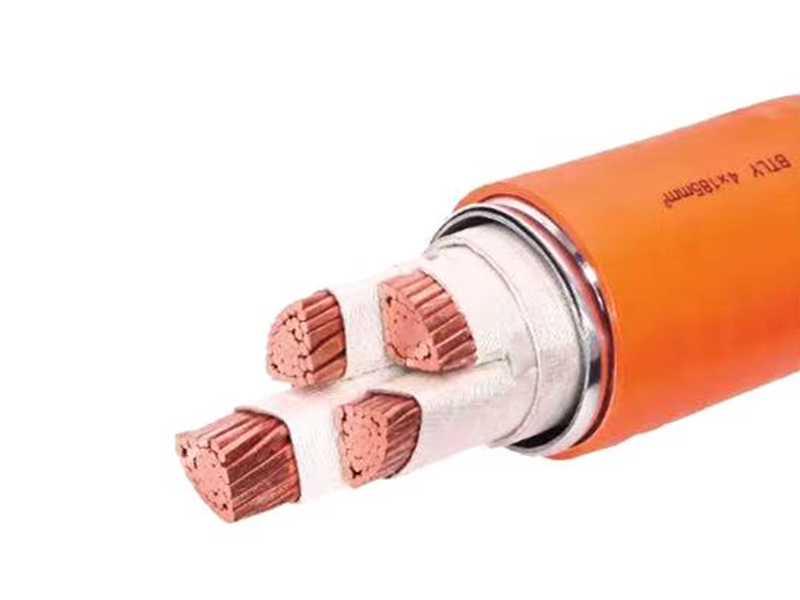
Flame retardance alone is not enough for that duty. The insulation has to transform into a load-bearing barrier once the polymer is consumed. Ceramifiable compounds contain minerals that sinter into a rigid ceramic shell, holding the conductor in position, maintaining separation between cores and limiting leakage current. A ceramifiable thermoplastic polyolefin can serve as a complementary option where lower density is preferred, while ceramifiable silicone grades are usually selected where high continuous temperature and flexibility are also required.
Three parameters deserve attention when such grades are specified: the mechanical strength of the ceramic residue after firing, the flexibility of the compound before firing, and the behaviour under simultaneous water spray and vibration. Density and hardness are higher than in standard grades, which affects cable weight and minimum bending radius.
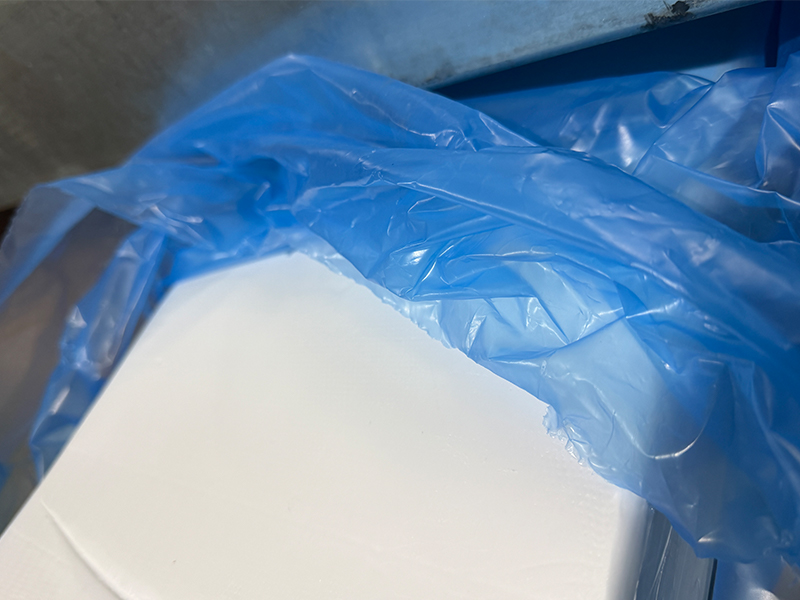
 TC-9710 Ceramifiable Fire-Resistant Silicone RubberCeramic-forming silicone for fire-resistant cable insulation and sheathing, forming a protective layer to maintain circuit integrity in subways, hospitals, aerospace, marine, and industrial fire barriers.View Product →
Every flame retardant decision costs something. Raising mineral filler loading improves burn performance but reduces elongation, increases density and raises compound viscosity. Increasing tear strength with fumed silica improves mechanical endurance but tightens the processing window and increases cost. Selecting a platinum cure system improves surface quality but removes the contamination tolerance that peroxide systems allow. No grade optimises all of these at once; the task is to choose which compromise the application can absorb.
Consistency is the second front. A cable plant running a continuous line cannot absorb lot-to-lot variation in hardness, cure rate or filler dispersion. Two practices protect against it. The first is disciplined incoming material control, because polymer and filler batches vary even when purchased to the same specification. The second is a documented quality system on the compound side; suppliers managed under an automotive framework such as IATF 16949 typically apply statistical process control, retained samples and lot traceability.
Substitution is the most expensive decision in this field. Replacing one filler type, one cure system or one reinforcing silica with an apparently equivalent alternative invalidates every approval built on the original material, and re-qualification should be planned as a project rather than handled as a purchasing change.
Figure 2 shows a simplified way to narrow the field before requesting samples. A supplier's specialty silicone rubber portfolio is usually the fastest starting point, because it shows which reinforcement type and fire duty combinations already exist.
Most grades in this family are designed for continuous service between roughly 180 C and 200 C, with short excursions above that. The practical limit depends on the cure system, the filler package and whether the part is under mechanical stress. Ceramifiable grades are not intended to survive such temperatures continuously; their advantage appears during a fire, when the polymer is consumed and the residue forms a ceramic barrier.
Not automatically, but the effect is real. Mineral fillers raise hardness and density and reduce elongation before they reduce tensile strength. Fumed silica grades recover much of the lost performance because the reinforcing network is stronger, which is why high tear strength flame retardant compounds exist as a separate family. The useful question is not whether strength is affected, but which property the application can afford to lose.
In silicone systems, usually not. The combination of silica-rich char, endothermic mineral fillers and platinum-assisted char networking is normally sufficient to reach vertical flame ratings. Avoiding halogens also keeps smoke corrosivity low, which matters in tunnels, enclosed cabinets and anywhere electronic equipment sits close to the cable.
Flame retardant compounds limit flame spread and self-extinguish once the ignition source is removed. Ceramifiable compounds go further: after the polymer burns away, the residue fuses into a rigid ceramic structure that keeps the conductor supported and separated. A cable that must continue to operate during a fire needs the second behaviour, and frequently both.
Its effect on char formation is secondary, but its effect on processing is decisive. Peroxide cured compounds tolerate thicker sections and more contamination. Platinum addition cure compounds deliver cleaner surfaces, faster cure and no peroxide by-products, yet they are easily poisoned by sulphur, tin, amines and certain release agents. Choosing the wrong system for the production environment causes more failures than the fire chemistry does.
Run both on the same extruder, with the same die and the same cure conditions. Compare scorch time, surface finish, output rate and dimensional stability. Then age samples for seven days at 200 C and re-measure tensile strength, elongation and hardness. Finally, test the finished cable rather than a pressed plaque, because wall thickness and conductor geometry change the burn result. A compound that wins on a datasheet frequently loses inside the tube.
Flame-retardant silicone rubber compound is best understood as a design decision rather than a purchased item. The polymer provides the char, the filler package decides how strong that char becomes, and the process route decides whether the material reaches the cable in the state the test results described. Define the fire duty first, measure on aged specimens, then prove the result on finished cable. The rest of the specification follows from those three steps.

What to stay up to date?
Contact us via the email address below.
No. 16, Industrial Concentration Zone, Daibu Town, Liyang City, China
Copyright 2026 Liyang Tiansheng Insulating Materials Co., Ltd. All Rights Reserved.
Custom Insulation Material For Cable Industry Suppliers

