What is the difference between precipitated silicone rubber and fumed silicone rubber?
The distinction between precipitated and fumed silicone rubber represents one of the most fundamental decisions in elastomer selection. Both material families share the same silicone polymer backbone—typically polydimethylsiloxane (PDMS)—but differ dramatically in their reinforcement systems. 5280 high-performance precipitated silicone rubber exemplifies the precipitated silica approach, utilizing wet-process silica to achieve a balance of mechanical strength and cost-efficiency. Fumed silica, by contrast, employs pyrogenic (dry-process) silica with significantly higher specific surface area and more complex aggregate structures. This article examines the technical differences between these two reinforcement technologies, exploring how they influence mechanical properties, processing behavior, and application suitability. 5280 high-performance precipitated silicone rubber represents the state of the art in precipitated silica technology, offering high mechanical strength and superior electrical insulation when paired with the appropriate vulcanizing agent.
1. Filler Morphology and Reinforcement Mechanisms
The fundamental difference between precipitated and fumed silicone rubber lies in the morphology of their reinforcing fillers. Fumed silica is produced by the high-temperature hydrolysis of silicon tetrachloride in an oxyhydrogen flame, resulting in primary particles of 5–50 nm that fuse into three-dimensional dendritic aggregate structures. These aggregates can further form agglomerates with a highly branched, chain-like morphology. Precipitated silica, by contrast, is manufactured through a wet chemical process—the neutralization of sodium silicate with mineral acid—producing particles with a more irregular, less structured morphology. The fumed silica's dendritic structure creates a more extensive filler network within the silicone matrix, resulting in significantly enhanced mechanical properties. Precipitated silica, while offering lower ultimate reinforcement, provides excellent processing characteristics and cost efficiency. This fundamental structural difference explains why 5280 high-performance precipitated silicone rubber, despite its excellent properties, cannot fully match the ultimate mechanical performance of fumed silica compounds.
Liyang Tiansheng Insulating Materials Co., Ltd. has developed extensive expertise in both reinforcement technologies. Founded in 2013, the company serves the top ten cable manufacturers in China, including Jiangsu Shangshang, New Far East, and Hengtong Group. The company's strong technical team of more than 40 professionals has optimized the formulation of 5280 high-performance precipitated silicone rubber to deliver high mechanical strength and superior electrical insulation for industrial applications requiring a perfect balance of durability and cost-efficiency.
2. Mechanical Property Comparison
The mechanical performance gap between precipitated and fumed silicone rubber is substantial and directly attributable to the reinforcement morphology. 5280 high-performance precipitated silicone rubber typically achieves tensile strength of 7.0 MPa or higher, tear strength of 18 kN/m or greater, and elongation at break exceeding 180%. These values represent excellent performance for a precipitated silica compound, making it suitable for a wide range of general-purpose molded silicone rubber applications requiring balanced mechanical properties, good heat resistance, and long-term durability.
Fumed silica compounds, however, achieve significantly higher mechanical properties. Tensile strengths of 9–12 MPa are common, with tear strength exceeding 30 kN/m and elongation at break of 400–600%. The fumed silica's dendritic structure creates a more efficient reinforcement network, transferring stress more effectively from the polymer matrix to the filler network. While 5280 high-performance precipitated silicone rubber delivers excellent performance for most industrial applications, fumed silica compounds are preferred when maximum mechanical strength is required.
Key Property Differences
- Tensile Strength: Fumed silica compounds achieve 9–12 MPa versus 7.0–8.5 MPa for precipitated compounds
- Tear Strength: Fumed offers >30 kN/m versus 18–25 kN/m for precipitated
- Elongation: Fumed provides 400–600% versus 180–400% for precipitated
- Hardness Range: Both families can achieve 30–80 Shore A
- Reinforcement Efficiency: Fumed silica provides superior reinforcement at lower filler loadings
3. Processing and Application Considerations
The processing characteristics of precipitated and fumed silicone rubber differ significantly, influencing manufacturing costs and productivity. 5280 high-performance precipitated silicone rubber offers distinct processing advantages due to its lower compound viscosity at equivalent filler loadings. The more regular morphology of precipitated silica results in reduced viscosity buildup, enabling faster extrusion speeds, lower energy consumption, and improved flow characteristics in injection molding. This processing efficiency translates to higher production throughput and lower manufacturing costs for high-volume applications.
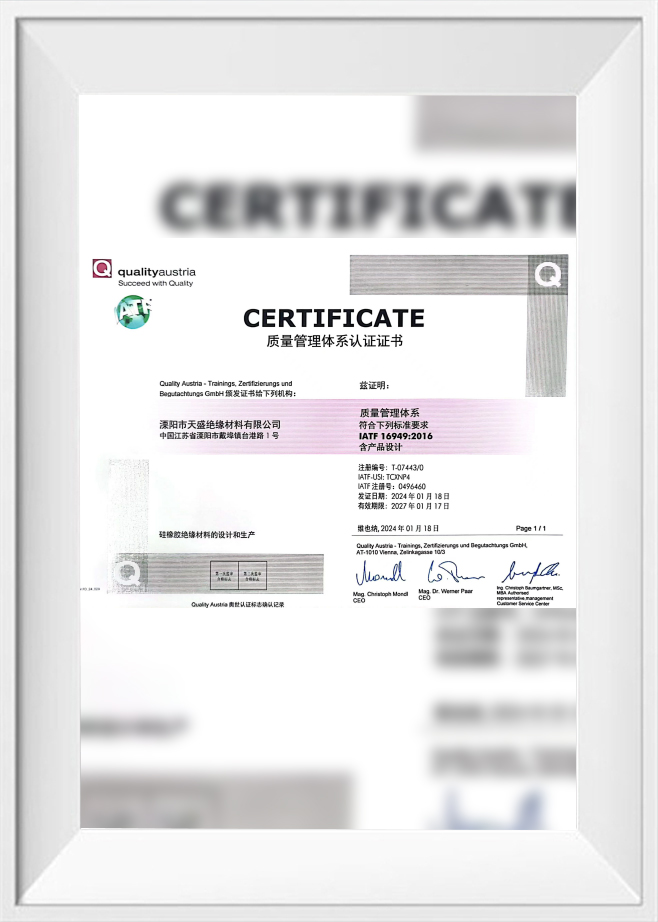
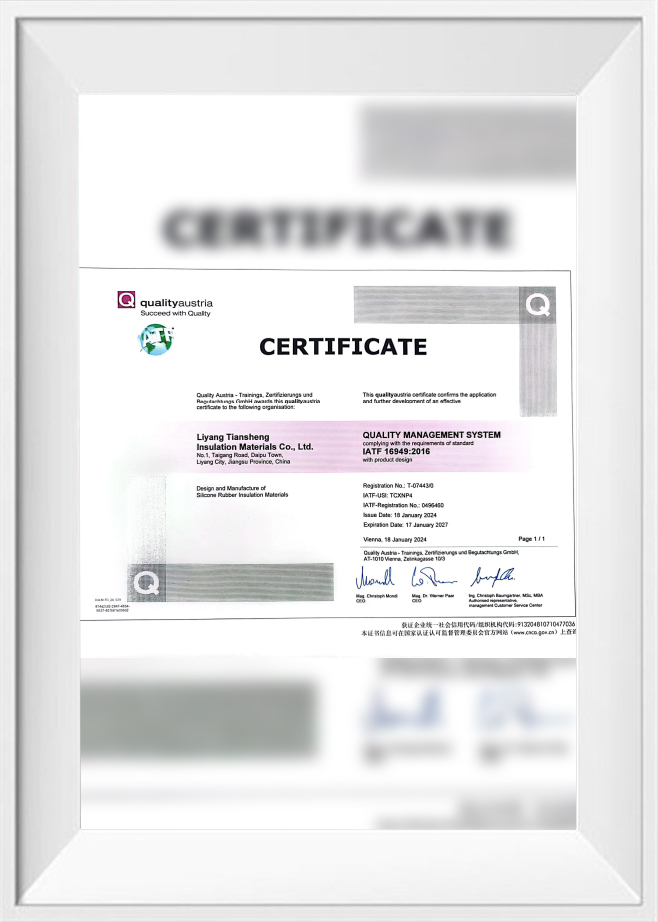
Fumed silica compounds, while offering superior mechanical properties, present greater processing challenges. The high surface area and complex dendritic morphology of fumed silica create higher compound viscosities, requiring more powerful mixing equipment and longer mixing cycles to achieve adequate dispersion. However, for demanding applications where mechanical strength is paramount—such as high-flex robotic cables and dynamic seals—the processing premium is justified. The company's production processes are managed under the IATF 16949 new energy management system, ensuring consistent quality across its 5,000-ton annual production capacity. 5280 high-performance precipitated silicone rubber is particularly well-suited for general-purpose molded silicone rubber applications requiring balanced mechanical properties, good heat resistance, and long-term durability, including keypads for electronic and electrical appliances, electrical insulation components, automotive accessories, and general molded silicone rubber parts.
Comparative Overview: Precipitated vs. Fumed Silicone Rubber
| Property |
5280 Precipitated |
Fumed Silicone Rubber |
| Filler Morphology |
Irregular, agglomerated particles |
Dendritic, chain-like aggregates |
| Tensile Strength (MPa) |
≥7.0 |
9–12 |
| Tear Strength (kN/m) |
≥18 |
≥30 |
| Elongation at Break (%) |
≥180 |
400–600 |
| Processing |
Lower viscosity, faster extrusion |
Higher viscosity, more challenging |
| Cost |
Lower |
Higher |
| Typical Applications |
General molding, insulation, keypads |
High-strength cables, dynamic seals |
4. Selecting the Right Material
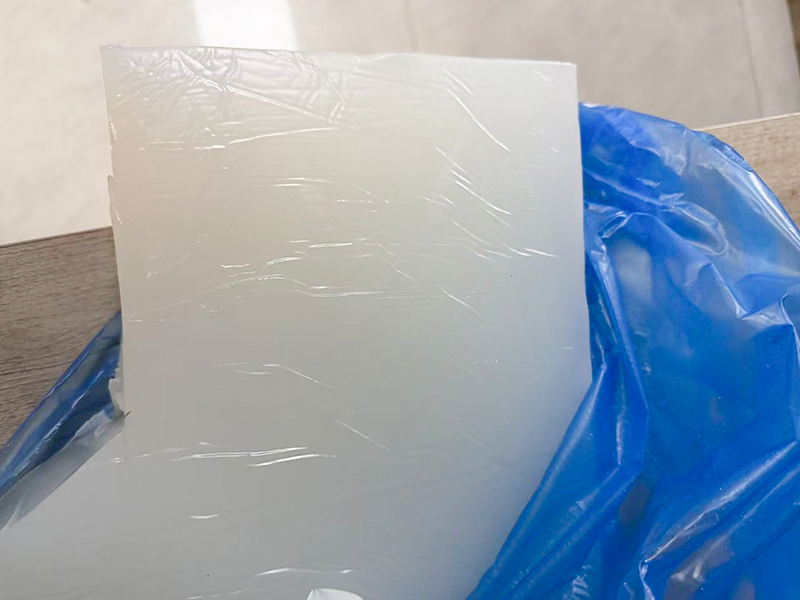
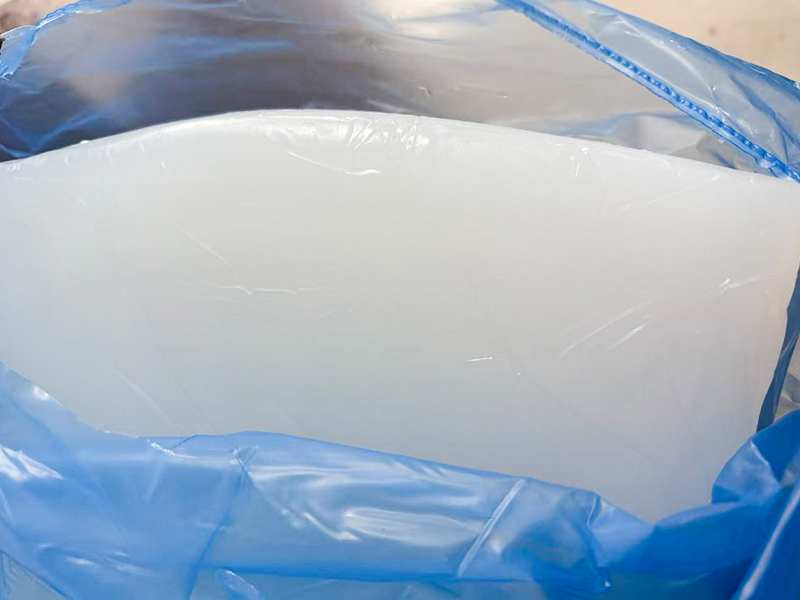
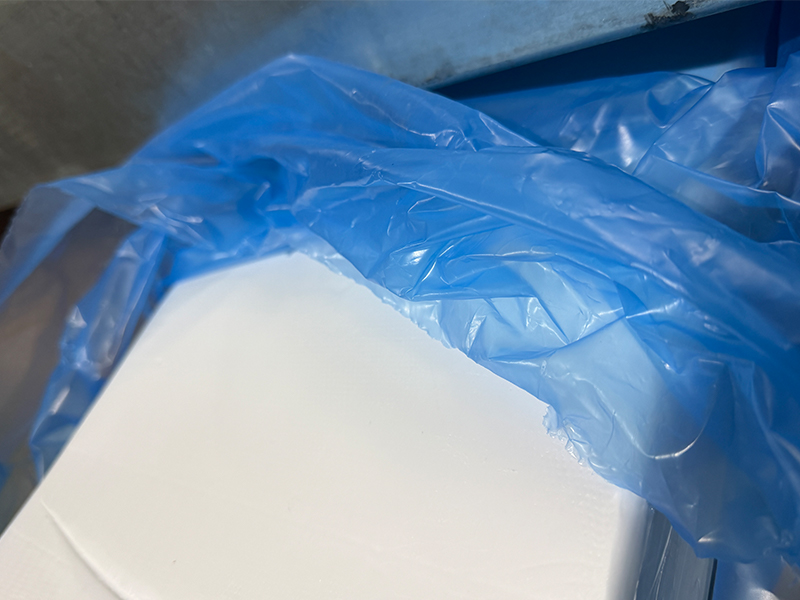
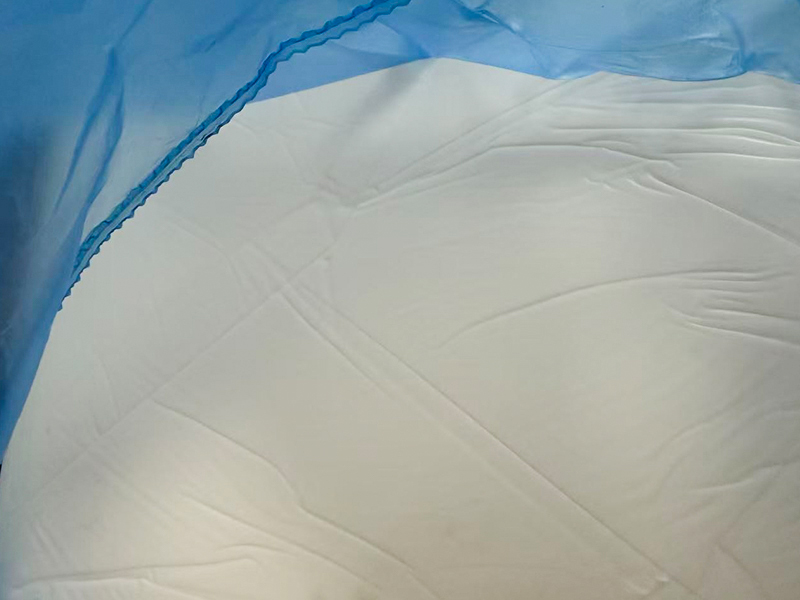
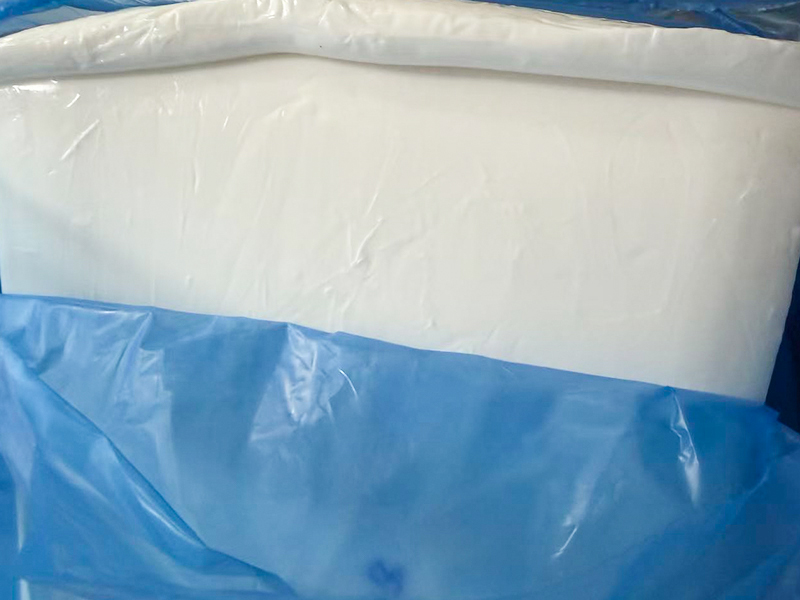
The choice between precipitated and fumed silicone rubber should be guided by application requirements. 5280 high-performance precipitated silicone rubber is the preferred choice for cost-sensitive applications requiring good mechanical properties and excellent electrical insulation. Its translucent appearance and excellent processing characteristics make it ideal for general-purpose molded silicone rubber applications including electrical insulation components, automotive accessories, industrial sealing rings, and keypads for electronic appliances. The material provides a perfect balance of durability and cost-efficiency, with high mechanical strength and superior electrical insulation when paired with the appropriate vulcanizing agent.
Fumed silicone rubber should be selected for demanding applications where maximum mechanical strength, tear resistance, and dynamic performance are required. Applications such as high-flex robotic cables, drag chain cables, and specialized seals operating under extreme mechanical stress benefit from the superior reinforcement of fumed silica. The company's professional and technical capabilities remain at the leading level among domestic counterparts, enabling it to offer both material families. Liyang Tiansheng uses high-quality imported raw materials and maintains a rigorous working attitude to ensure product quality across its entire portfolio, with annual sales exceeding 50 million yuan reflecting market confidence in its solutions.
- Assess Mechanical Requirements: Determine the tensile, tear, and fatigue demands of the application
- Evaluate Processing Constraints: Consider equipment capabilities and production efficiency needs
- Balance Cost and Performance: Select the most economical material meeting all requirements
- Consider Environmental Factors: Evaluate chemical resistance and temperature exposure
5. Frequently Asked Questions
Q1: Is precipitated silicone rubber suitable for high-temperature applications?
Yes. 5280 high-performance precipitated silicone rubber can operate continuously from -60°C to 200°C, with intermittent exposure up to 300°C. The silicone polymer backbone provides inherent thermal stability regardless of the reinforcement type.
Q2: Why does fumed silicone rubber cost more than precipitated grades?
Fumed silica is more expensive to produce than precipitated silica due to the high-temperature pyrogenic manufacturing process. Additionally, fumed silica compounds require more intensive processing and higher filler loadings to achieve optimal reinforcement, contributing to the overall cost premium.
Q3: What quality standards does Liyang Tiansheng follow for its silicone products?
Liyang Tiansheng Insulating Materials Co., Ltd. operates under the IATF 16949 new energy management system, using high-quality imported raw materials and maintaining a complete testing system. The company employs a strong technical team of more than 40 professionals to ensure consistent quality.
Q4: Can precipitated silicone rubber be used in food-contact applications?
Yes, provided the specific compound meets relevant food safety regulations (e.g., FDA, LFGB). 5280 high-performance precipitated silicone rubber is physiologically inert and can be formulated to meet food-contact requirements for kitchenware, baby products, and food processing equipment after appropriate certification.



 English
 русский
 Español