

 English
 русский
 Español
Understanding Silicone Rubber Products and Their Market Presence
Silicone rubber has become indispensable across countless industries due to its exceptional thermal stability, chemical resistance, and flexibility. From automotive manufacturing to medical devices, silicone rubber products serve critical functions in environments ranging from extreme temperatures to corrosive chemical exposure. The global demand for these materials continues to grow as manufacturers seek solutions that combine durability with precision performance.
The versatility of silicone rubber stems from its unique molecular structure, which creates a polymer chain capable of withstanding conditions that would degrade conventional rubber materials. This inherent reliability has established silicone as the material of choice for applications where failure is not an option.
Automotive and Transportation Applications
The automotive industry represents one of the largest markets for silicone rubber solutions. Engine components, sealing systems, and vibration dampening elements all rely on the superior performance characteristics of silicone materials.
Engine Seals and Gaskets
Modern vehicles operate under increasingly demanding conditions. Engine compartments reach temperatures exceeding 200 degrees Celsius, requiring materials that maintain their sealing integrity. Silicone rubber gaskets and seals prevent oil and coolant leakage while withstanding thermal cycling and mechanical stress. Manufacturers employ silicone rubber molding techniques to create components with precise tolerances that ensure perfect fit within engine assemblies.
HVAC System Components
Vehicle climate control systems demand materials resistant to refrigerants, oils, and extreme temperature fluctuations. Silicone hoses and connectors provide reliable performance throughout the vehicle's operational life, from arctic conditions to desert heat.
Electrical Connectors and Insulation
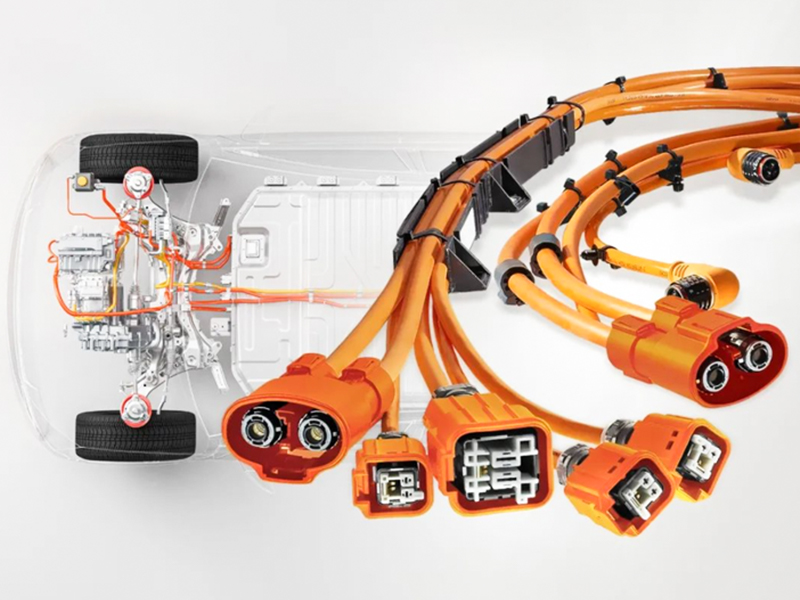
Modern vehicles incorporate sophisticated electrical systems requiring robust insulation. Silicone rubber covers, boots, and protective sleeves shield connections from moisture, salt spray, and temperature extremes common in automotive environments.
Medical and Healthcare Device Manufacturing
The medical industry demands materials meeting stringent biocompatibility and sterilization requirements. Silicone rubber products fulfill these critical needs across diverse healthcare applications.
Implantable Device Components
Medical implants require materials that integrate safely with human tissue without triggering adverse reactions. Silicone rubber's biocompatibility, combined with its resistance to degradation in the human body, makes it ideal for joint replacements, heart valve components, and other implantable devices. The material withstands multiple sterilization cycles without losing its structural integrity.
Respiratory and Diagnostic Equipment
Oxygen tubing, breathing masks, and diagnostic sensor components all depend on silicone rubber's flexibility and transparency properties. These materials maintain functionality in demanding clinical environments while providing patient comfort and safety.
Pharmaceutical Packaging Solutions
Silicone rubber stoppers and seals in pharmaceutical packaging prevent contamination while maintaining product integrity. The material resists interactions with active pharmaceutical ingredients, ensuring medication efficacy throughout its shelf life.
Industrial Manufacturing and Processing
Manufacturing facilities across multiple sectors rely on silicone rubber components to enable efficient, safe production processes.
Conveyor System Components
Industrial conveyor systems operate continuously in environments involving heat, oils, and mechanical stress. Silicone rubber rollers, belts, and support components resist degradation from these harsh conditions while maintaining consistent performance. The material's low compression set ensures that components retain their shape and functionality over extended service periods.
Chemical Processing Equipment
Chemical plants require sealing and protective solutions that resist aggressive solvents and corrosive substances. Silicone rubber excels in these applications, providing reliable protection for equipment, pipes, and connection points. The material's chemical inertness prevents leaching or degradation when exposed to harsh processing environments.
Food Processing Industry
Food safety regulations demand materials that do not contaminate products during processing. Silicone rubber gaskets, tubing, and seals provide food-safe solutions for dairy processing, beverage manufacturing, and meat processing facilities. The material withstands frequent sanitation cycles and high-temperature processing without compromising safety standards.
Manufacturing Methods: Silicone Molding and Injection Technologies
The production of silicone rubber products employs specialized techniques designed to achieve precise specifications and consistent quality.
Compression Molding for Large Components
Compression molding creates larger silicone rubber parts by placing uncured material into a mold cavity and applying heat and pressure. This method works well for seals, bushings, and components with moderate complexity. The process allows manufacturers to produce parts with excellent surface finish and dimensional accuracy.
Silicone Injection Molding Advantages
Silicone injection molding represents the preferred method for high-volume production and intricate component designs. This technique involves injecting liquid silicone rubber into heated molds under controlled pressure. The process offers several distinct advantages over alternative manufacturing methods.
| Manufacturing Method | Production Speed | Design Complexity | Cost Efficiency |
|---|---|---|---|
| Compression Molding | Moderate | Simple to Moderate | Low Volume Friendly |
| Silicone Injection Molding | High | Complex Designs | High Volume Ideal |
| Transfer Molding | Moderate to High | Moderate to Complex | Medium Volume Range |
LSR Injection Molding for Precision Applications
Liquid silicone rubber injection molding represents the pinnacle of silicone manufacturing technology. LSR materials cure rapidly in the mold, enabling production cycle times measured in seconds rather than minutes. This efficiency translates directly into higher productivity and lower per-unit costs for high-volume applications.
LSR injection molding excels in creating medical-grade components, electrical seals, and precision automotive parts where dimensional accuracy and material consistency prove critical. The process produces essentially zero waste, as uncured material remains contained within the injection system.
Industrial Silicone Rubber Compound Development and Customization
Modern manufacturing demands specialized silicone formulations tailored to specific application requirements. Industrial silicone rubber compounds can be engineered to provide particular combinations of properties.
Thermal Performance Compounds
Applications involving extreme temperatures require specially formulated compounds. High-temperature silicones maintain flexibility and sealing properties at temperatures exceeding 250 degrees Celsius, while cryogenic formulations perform reliably below minus 60 degrees. These specialty compounds enable equipment operation in environments previously inaccessible to conventional elastomers.
Chemical Resistance Formulations
Certain industrial environments demand compounds resistant to specific chemical families. Formulations can be optimized for resistance to oils, solvents, refrigerants, or aggressive cleaning agents. This customization ensures that sealing components withstand the exact chemical exposure encountered in their intended application.
Electrical and Thermal Conductivity Solutions
Electronic device manufacturers increasingly require silicone compounds with thermal conductivity properties to efficiently transfer heat from components to heat sinks. Simultaneously, electrical insulation capabilities must remain uncompromised. Specialized compounds achieve both objectives, enabling superior thermal management in compact electronic assemblies.
Color and Texture Customization
Beyond functional properties, silicone compounds can be formulated in virtually any color and texture combination. This customization serves both aesthetic and functional purposes, from color-coding for installation accuracy to specialized surface textures for improved grip or tactile feedback.
Consumer Product Applications
Silicone rubber extends beyond industrial settings into products consumers interact with daily.
Kitchen and Cooking Applications
Food-grade silicone rubber spatulas, baking mats, and utensils provide non-stick surfaces and heat resistance up to standard oven temperatures. These products offer superior durability compared to traditional alternatives, lasting through thousands of uses without degradation or discoloration.
Personal Care and Wearable Devices
Smartwatch bands, fitness tracker straps, and protective cases utilize silicone rubber for its comfortable feel, durability, and resistance to sweat and moisture. The material's hypoallergenic properties make it suitable for extended skin contact without causing irritation.
Sporting Equipment
Protective gear, seals in water sports equipment, and grips for athletic implements all benefit from silicone rubber's combination of durability, comfort, and performance reliability.
Electronics and Electrical Industry Applications
The electronics industry relies heavily on silicone rubber components for protection and performance enhancement.
Component Protection and Encapsulation
Silicone rubber conformal coatings protect circuit boards from moisture, salt spray, and environmental contaminants. These protective layers maintain electrical functionality in challenging environments while remaining flexible enough to accommodate thermal expansion and contraction without cracking.
Cable and Wire Insulation
High-temperature applications demand wire insulation that maintains flexibility and electrical properties when exposed to heat. Silicone-insulated cables perform reliably in industrial ovens, welding equipment, and other high-temperature environments where conventional plastic insulation would fail.
Connector Sealing Solutions
Electrical connectors exposed to outdoor environments require superior water and dust sealing. Silicone rubber boots and gaskets provide the necessary protection while remaining flexible enough for repeated mating and unmating cycles.
Key Performance Benefits Driving Silicone Adoption
Thermal Stability and Temperature Range
Silicone rubber maintains consistent performance across temperature ranges of 200 degrees Celsius or greater. This exceptional thermal stability far exceeds capabilities of conventional elastomers, enabling equipment operation in extreme conditions without component failure.
Chemical Inertness and Compatibility
Silicone rubber resists degradation when exposed to oils, fuels, solvents, and most aggressive chemicals. This chemical inertness prevents leaching, discoloration, or functionality loss in chemically demanding environments.
Low Compression Set
After extended compression, silicone rubber components recover their original shape and dimensions better than conventional rubbers. This property ensures that seals maintain their effectiveness throughout their service life, preventing gradual degradation of sealing performance.
Biocompatibility and Safety
Medical-grade silicone undergoes rigorous testing to verify compatibility with human tissue and body fluids. Formulations suitable for implantation and long-term bodily contact undergo extensive validation to ensure patient safety.
Environmental Stability
Silicone rubber resists ozone and ultraviolet radiation that degrade conventional rubbers. Outdoor applications benefit from this superior environmental resistance, extending component service life in exposed conditions.
Emerging Applications and Industry Trends
Renewable Energy Systems
Solar panel manufacturers employ silicone rubber sealants that withstand years of outdoor exposure while maintaining waterproofing integrity. Wind turbine applications benefit from silicone's temperature resistance and mechanical durability in demanding operating conditions.
Advanced Battery Applications
Emerging battery technologies require specialized sealing and insulation solutions. Silicone compounds can be formulated to provide thermal management and electrical insulation simultaneously, supporting next-generation energy storage systems.
5G and Advanced Communication Infrastructure
High-frequency electronic equipment generates significant heat and requires superior shielding. Silicone-based solutions provide both thermal management and environmental protection for communication infrastructure components.
Autonomous Vehicle Development
Self-driving vehicles incorporate sophisticated sensor systems and control electronics requiring advanced sealing and protection solutions. Silicone rubber components ensure reliable operation across diverse climate conditions and operational scenarios.
Selecting the Right Silicone Rubber Solution for Your Application
Assessing Temperature Requirements
Begin by identifying the temperature range your application will encounter. Standard silicone compounds typically perform from negative 55 to 200 degrees Celsius. Applications exceeding these limits require specialty high-temperature or cryogenic formulations.
Evaluating Chemical Exposure
Document the specific chemicals, oils, solvents, or refrigerants your component will contact. Different formulations provide varying resistance profiles to chemical families. Consulting with material suppliers helps identify compounds optimized for your specific chemical environment.
Determining Production Volume
Production volume influences the most cost-effective manufacturing method. Low-volume applications may benefit from compression molding, while high-volume production justifies investment in specialized injection molding equipment and processes.
Considering Regulatory Requirements
Medical applications demand components meeting specific biocompatibility standards. Food-contact applications require materials with appropriate food safety certifications. Aerospace applications necessitate components meeting strict quality and reliability specifications. Understanding applicable regulations ensures component compliance from the design phase.
Assessing Design Complexity
Highly complex geometries with thin walls and tight tolerances favor injection molding processes. Simpler shapes may be cost-effectively produced through compression molding. Consulting with manufacturing specialists helps identify production methods balancing design requirements with cost efficiency.
Frequently Asked Questions About Silicone Rubber Products
Q1: What makes silicone rubber different from natural or synthetic rubber?
Silicone rubber possesses a silicon-oxygen backbone rather than carbon chains found in conventional rubbers. This fundamental structural difference provides superior temperature resistance, chemical inertness, and environmental stability. Silicone maintains flexibility and functionality across temperature ranges where conventional rubbers become brittle or melt. Additionally, silicone exhibits superior resistance to ozone, ultraviolet light, and many aggressive chemicals.
Q2: Can silicone rubber components be recycled?
Silicone rubber recycling presents challenges due to its chemical stability and cross-linked structure. However, some specialty facilities can process silicone waste into secondary materials for applications not requiring virgin material properties. Thermal recycling through incineration recovers energy but does not produce reusable material. Manufacturers increasingly focus on production efficiency to minimize waste generation rather than relying on end-of-life recycling.
Q3: How long do silicone rubber seals typically last in service?
Service life depends heavily on application conditions. In moderate temperature environments with minimal chemical exposure, silicone seals often perform reliably for ten years or longer. Harsh conditions involving high temperatures, aggressive chemicals, or intense mechanical stress reduce service life accordingly. Regular inspection protocols help identify seals approaching end-of-life before failure occurs.
Q4: What quality standards should industrial silicone products meet?
Quality standards vary by industry. Medical applications require compliance with biocompatibility standards and FDA approvals. Automotive components must meet OEM specifications and environmental resistance requirements. Food-contact applications demand compliance with food safety regulations. Aerospace applications require traceability, documentation, and adherence to strict quality management systems. Identifying applicable standards during the component specification phase ensures compliance throughout the supply chain.
Q5: Are there color limitations for silicone rubber products?
Modern silicone compounds can be formulated in virtually any color. Pigments and colorants integrate into the base formulation without compromising material properties. Standard industrial colors like black, white, red, blue, and green offer cost-effective options, while custom colors serve specific application requirements. Color selection can serve functional purposes such as identifying different component grades or installation direction.
Q6: How do manufacturers ensure consistency in silicone rubber products?
Quality management systems track material composition, processing parameters, and finished product properties throughout manufacturing. Raw material testing verifies incoming silicone base polymers and additives meet specifications. In-process monitoring tracks molding temperatures, pressures, and cure times. Finished product testing measures hardness, tensile strength, compression set, and other critical properties. Statistical process control identifies process drift before non-conforming parts are produced.
Q7: What causes premature failure of silicone rubber seals?
Common failure modes include specification mismatches where seals experience temperature or chemical exposure exceeding formulation limits, inadequate installation procedures damaging seals during assembly, and long-term compression set reducing sealing effectiveness. Over-tightening fasteners can permanently deform seals, compromising functionality. Proper installation training and quality inspection procedures minimize premature failure rates.
Q8: Can silicone rubber components be modified or repaired after manufacturing?
Silicone rubber's cross-linked structure makes post-cure modification extremely difficult. Most modifications require returning components to the manufacturer for re-processing. Some surface treatments like painting or adhesive bonding are possible, though limited. Generally, component design should incorporate necessary features during the original molding process rather than attempting post-cure modifications.