

 English
 русский
 Español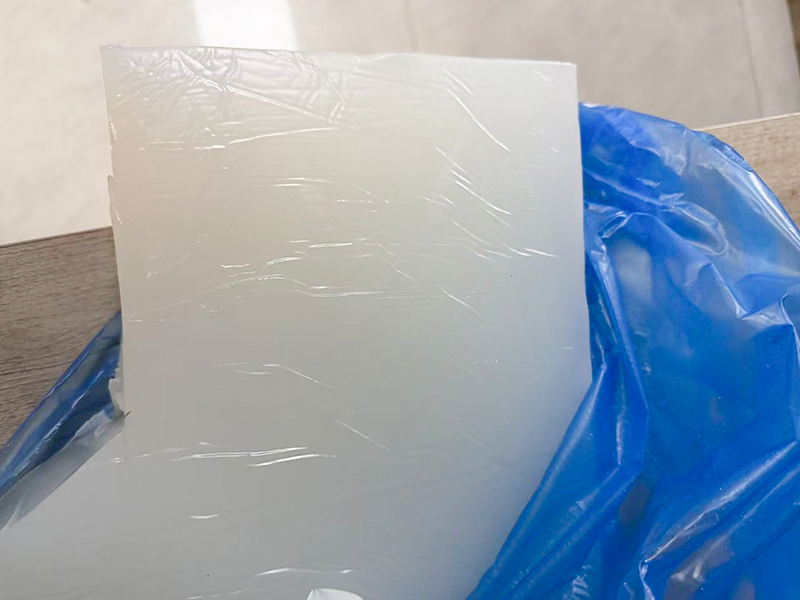
Are You Interested?
Are You Interested?


Content
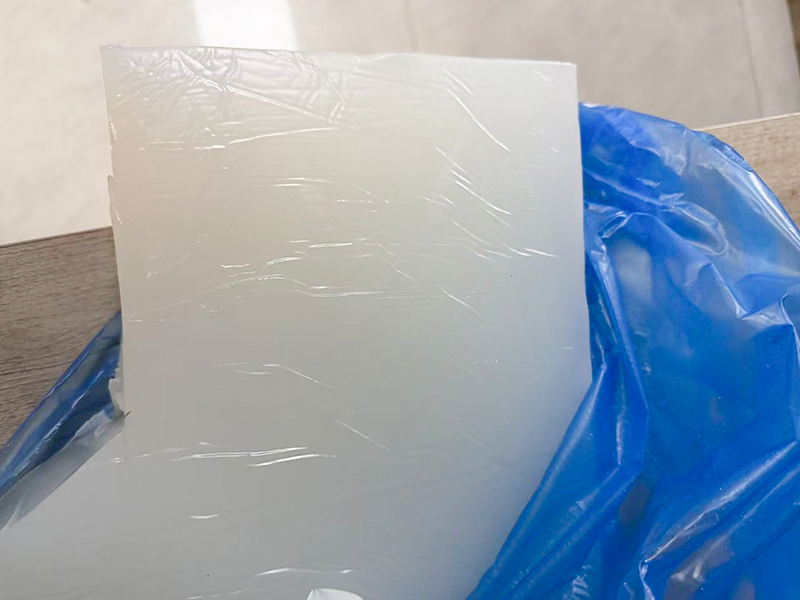
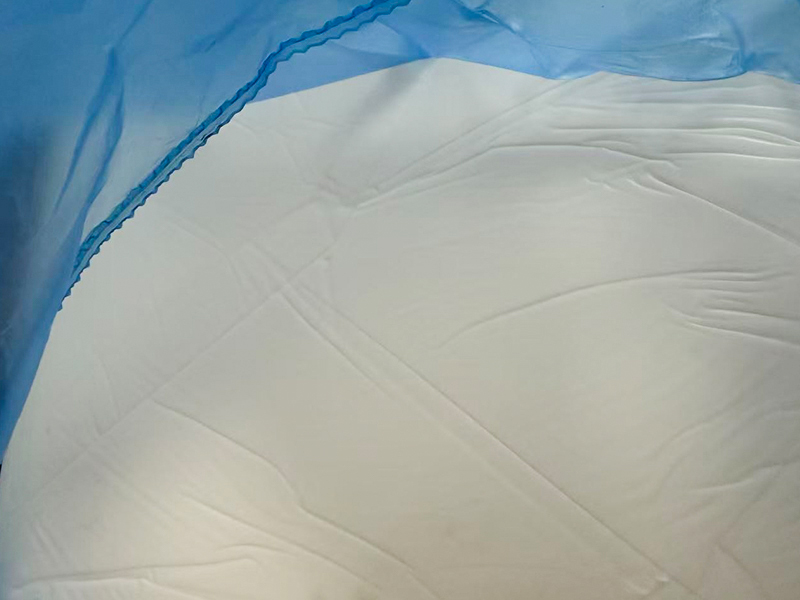
Silicone rubber gaskets have become essential components in modern industrial sealing solutions. These versatile materials offer exceptional performance across a wide temperature range, from extreme cold to high heat environments. The demand for reliable sealing solutions has driven significant innovation in material science and manufacturing processes.
Industrial operations depend on gaskets that can withstand demanding conditions while maintaining consistent performance over extended periods. Whether in automotive, pharmaceutical, food processing, or chemical manufacturing, the selection of appropriate gasket materials directly impacts operational efficiency and safety standards.
When evaluating silicone rubber product options, understanding the fundamental properties becomes critical for application success. Several characteristics distinguish high-performance gaskets from standard alternatives.
Silicone rubber maintains exceptional performance across temperature ranges that would compromise traditional elastomers. Most industrial formulations function reliably between -55 and 200 degrees Celsius, with specialized compounds extending to 300 degrees Celsius. This thermal stability prevents degradation that typically occurs in standard rubber materials when exposed to temperature fluctuations.
Different industrial environments present unique chemical challenges. Silicone rubber exhibits remarkable resistance to oils, solvents, and aggressive media found in pharmaceutical and chemical processing facilities. The material resists ozone and UV exposure more effectively than conventional elastomers, extending service life in outdoor applications.
Compression set refers to the permanent deformation that occurs when an elastomer is compressed and then released. Quality silicone rubber products demonstrate low compression set values, typically below 25%, ensuring gaskets maintain sealing integrity throughout their operational life. This characteristic proves particularly important in dynamic sealing applications where repeated compression occurs.
Material selection represents the foundation of successful sealing solutions. The diversity of industrial applications necessitates understanding how different grades perform under specific conditions.
Standard formulations serve the majority of general industrial applications. These materials balance cost-effectiveness with reliable performance, operating within normal temperature ranges and handling moderate chemical exposure. Applications include HVAC systems, general automotive components, and consumer appliances.
Specialized high-temperature formulations address extreme thermal environments encountered in aerospace, turbine equipment, and specialized industrial furnaces. These compounds maintain elasticity and sealing properties at temperatures that would cause standard materials to harden or deteriorate. The molecular structure of high-temperature grades resists thermal breakdown mechanisms that affect conventional silicone rubber.
Pharmaceutical and chemical processing industries require gaskets that resist aggressive solvents and cleaning agents. Specialized industrial silicone rubber compound formulations incorporate additives that enhance resistance to specific chemical families, including aromatic hydrocarbons, ketones, and harsh disinfectants while maintaining FDA compliance for food contact applications.
Applications involving food contact or medical devices demand materials meeting strict regulatory standards. Food-grade silicone rubber meets requirements for direct food contact, while medical-grade compounds comply with biocompatibility standards necessary for healthcare applications. These materials undergo rigorous testing protocols to ensure no migration of harmful substances.
Multiple variables influence how gaskets perform in real-world applications. Understanding these factors enables informed decision-making during the selection process.
| Performance Factor | Impact on Sealing | Measurement Method |
|---|---|---|
| Compression Force | Determines sealing pressure and gasket lifespan | ASTM D395 compression set testing |
| Tensile Strength | Resistance to tearing during installation and operation | ASTM D412 tensile stress testing |
| Temperature Range | Operational window without material degradation | ASTM D2240 durometer measurement |
| Chemical Resistance | Protection against corrosive or solvent environments | ASTM D3383 immersion testing |
Gaskets in static applications experience constant compressive force that must be carefully calculated. Dynamic applications introduce additional complexity, requiring materials that withstand repeated compression-release cycles without permanent deformation. The gasket thickness, material durometer, and contact surface area all influence the required compression force to maintain an effective seal.
Industrial environments present varied challenges beyond temperature and chemical exposure. Moisture, salt spray, UV radiation, and ozone exposure accelerate degradation in materials lacking proper additives. Understanding the complete environmental profile ensures gasket selection accounts for all degradation mechanisms present in a specific application.
Proper installation techniques significantly impact gasket performance and longevity. Over-compression can accelerate compression set development, while under-compression results in inadequate sealing. Regular inspection schedules and replacement intervals depend on material properties, operating conditions, and industry standards specific to each application sector.
Engineering gaskets requires attention to numerous design parameters that interact to produce reliable sealing performance.
Standard gasket geometries include flat, O-ring, D-shaped, and custom profiles designed for specific applications. Each shape provides different pressure distribution characteristics and sealing mechanisms. Flat gaskets distribute force over larger surface areas, while O-rings provide radial and axial sealing through geometry-induced pressure concentration. Custom profiles address unique mounting configurations found in specialized equipment.
The finish quality of mating surfaces dramatically affects sealing effectiveness. Rough surfaces create micro-channels allowing fluid leakage, while excessively smooth surfaces may reduce the gasket's ability to conform properly. Industry standards specify surface roughness parameters that optimize gasket-surface contact without requiring extreme precision that increases manufacturing costs.
Durometer measures material hardness on a standardized scale. Softer materials (lower durometer values) conform more easily to surface irregularities but may extrude under high pressure. Harder materials resist extrusion but require more precise surfaces for effective sealing. The optimal durometer depends on pressure levels, temperature conditions, and surface finish characteristics.
Regulatory frameworks and industry standards establish minimum performance requirements for gasket materials and assemblies.
Different industries impose specific compliance requirements on gasket materials. Automotive applications must meet SAE standards for temperature cycling and chemical exposure. Pharmaceutical and food processing applications require FDA or EU compliance certifications. Aerospace applications demand military or commercial aviation standards. Medical device applications require biocompatibility testing and documentation. Understanding regulatory requirements prevents costly delays and product recalls.
Material selection involves evaluating how different compounds perform across the spectrum of application requirements.
Automotive applications typically require standard or high-temperature grades with excellent compression set properties and broad chemical resistance. Aerospace applications demand high-temperature materials meeting strict military specifications. Pharmaceutical manufacturing necessitates FDA-compliant food-grade or medical-grade compounds. Chemical processing facilities require materials with enhanced resistance to specific aggressive solvents present in their operations.
Modern industrial requirements often exceed standard material specifications, necessitating custom formulations and specialized manufacturing approaches.
Manufacturers can adjust silicone rubber formulations to achieve specific performance characteristics. Adding fillers increases hardness and improves surface finish, while specialized additives enhance chemical resistance or thermal stability. Custom formulations enable optimization for unique application requirements without requiring entirely different material families.
Beyond standard shapes, manufacturers produce complex custom profiles matching specific equipment requirements. Compression molding, injection molding, and extrusion techniques accommodate diverse design specifications. Computer-aided design and manufacturing processes ensure precise dimensional tolerances necessary for high-pressure sealing applications.
Specialized surface treatments enhance performance in demanding applications. Fluorocarbon coatings reduce friction and improve compatibility with certain chemical environments. Textured surfaces improve grip and prevent extrusion in high-pressure applications. Primer applications promote adhesion when gaskets require bonding to substrates or structural components.
Understanding failure mechanisms enables preventive action before problems compromise operational reliability.
Extrusion occurs when gaskets deform under high pressure, losing contact with sealing surfaces. Prevention requires matching durometer to expected pressure levels, ensuring proper gasket thickness, and installing backup rings in high-pressure applications. Regular inspection identifies early warning signs of extrusion before catastrophic failure occurs.
Extended compression causes permanent deformation as molecular chains slip past each other, reducing sealing pressure over time. Selecting materials with low compression set values, limiting compression force to manufacturer recommendations, and implementing replacement schedules based on application severity prevent this degradation mechanism.
Exposure to incompatible chemicals causes gasket swelling or hardening, compromising sealing effectiveness. Comprehensive chemical compatibility evaluation before material selection prevents exposure to degrading substances. When complete avoidance proves impossible, specialized chemical-resistant formulations maintain performance in challenging environments.
Excessive heat exposure gradually hardens silicone rubber, reducing elasticity and sealing effectiveness. High-temperature grade materials resist this degradation mechanism better than standard compounds. Application of thermal insulation or strategic positioning that reduces direct heat exposure extends gasket life in thermally demanding environments.
Proper installation technique profoundly influences gasket performance and operational life.
Careful inspection before installation identifies manufacturing defects, contamination, or damage that could compromise sealing. Visual examination should confirm gasket integrity, surface cleanliness, and dimensional accuracy. Storage conditions should protect gaskets from extreme temperatures, direct sunlight, and contact with degrading substances.
Scheduled maintenance prevents premature failure and maintains operational reliability. Regular visual inspections detect visible degradation, extrusion, or leakage before catastrophic failure occurs. Thermal imaging identifies areas of unexpected heat generation indicating seal failure. Vibration analysis detects loss of sealing that allows fluid escape and equipment imbalance.
Establishing replacement intervals based on application severity, environmental conditions, and material properties maintains system reliability. Critical applications may require annual replacement regardless of observable degradation, while less demanding applications can extend intervals to two or three years. Tracking gasket performance data enables evidence-based refinement of replacement schedules over time.
Ongoing research and development continues advancing silicone rubber performance capabilities for increasingly demanding industrial applications.
Next-generation silicone rubber compounds incorporate nanotechnology additives that dramatically improve performance without significantly increasing material costs. Enhanced filler systems provide superior compression set resistance and extended service life. Catalyst systems enable lower-temperature curing processes that reduce manufacturing energy consumption while improving environmental sustainability.
Integration of sensor technology enables real-time monitoring of gasket performance and condition. IoT-enabled systems track temperature, pressure, and vibration patterns, predicting failure before problems compromise equipment operation. Predictive maintenance approaches reduce unplanned downtime and extend equipment life through proactive replacement strategies.
Manufacturing processes increasingly focus on reducing waste and environmental impact. Recyclable gasket materials and recovery programs address end-of-life disposal concerns. Water-based production processes reduce volatile organic compound emissions, improving workplace safety and environmental compliance. These innovations demonstrate that performance excellence and environmental responsibility advance together in modern materials science.
Silicone rubber distinguishes itself through superior temperature resistance, exceptional chemical stability, and broader operating range compared to natural rubber or synthetic alternatives. While natural rubber excels in certain low-temperature applications, silicone rubber maintains performance across wider temperature ranges and resists degradation from exposure to oils, solvents, and UV radiation that compromise other elastomers.
Durometer selection depends on operating pressure, surface finish quality, and temperature conditions. Higher pressure applications require harder materials (higher durometer values) to resist extrusion, while lower pressure applications benefit from softer materials that conform better to surface irregularities. Consulting equipment manufacturers or material suppliers with specific application parameters ensures optimal durometer selection.
Standard silicone rubber operates effectively from approximately -40 to 200 degrees Celsius. Specialized high-temperature formulations extend the upper operating limit to 300 degrees Celsius, though performance characteristics change at temperature extremes. Specific application requirements should guide selection between standard and specialized temperature-rated materials.
Common failure mechanisms include compression set development causing permanent deformation, chemical incompatibility leading to swelling or hardening, extrusion under excessive pressure, and thermal degradation from temperature exposure. Proper material selection matching application requirements prevents most failure modes through careful initial engineering and ongoing maintenance practices.
Food-grade and medical-grade silicone undergo rigorous testing protocols ensuring no migration of harmful substances to contact surfaces. These materials comply with FDA regulations and biocompatibility standards, requiring specific formulations and manufacturing processes. While generally more expensive than standard compounds, the regulatory compliance and safety assurances justify the additional cost in sensitive applications.
Compression set represents the permanent deformation remaining after an elastomer is compressed and then released. High compression set values indicate the material does not fully recover its original shape, gradually reducing sealing pressure over time and eventually compromising seal integrity. Selecting materials with low compression set values ensures long-term reliable performance in static and dynamic applications.
Scheduled replacement prevents unexpected failures and associated downtime in critical applications. While some non-critical applications tolerate replacement-on-failure approaches, scheduled maintenance proves more economical overall by preventing cascade failures that damage associated equipment. Critical infrastructure applications absolutely demand preventive replacement strategies.
Store gaskets in cool, dry environments protected from direct sunlight and extreme temperatures. Avoid storage near ozone generators, welding equipment, or other sources of UV radiation and ozone that degrade elastomers. Original packaging provides the best protection, maintaining material quality for extended storage periods. Rotate inventory using first-in-first-out protocols to ensure older materials are used before extended storage degrades performance characteristics.

What to stay up to date?
Contact us via the email address below.
No. 16, Industrial Concentration Zone, Daibu Town, Liyang City, China
Copyright 2026 Liyang Tiansheng Insulating Materials Co., Ltd. All Rights Reserved.
Custom Insulation Material For Cable Industry Suppliers

