

 English
 русский
 Español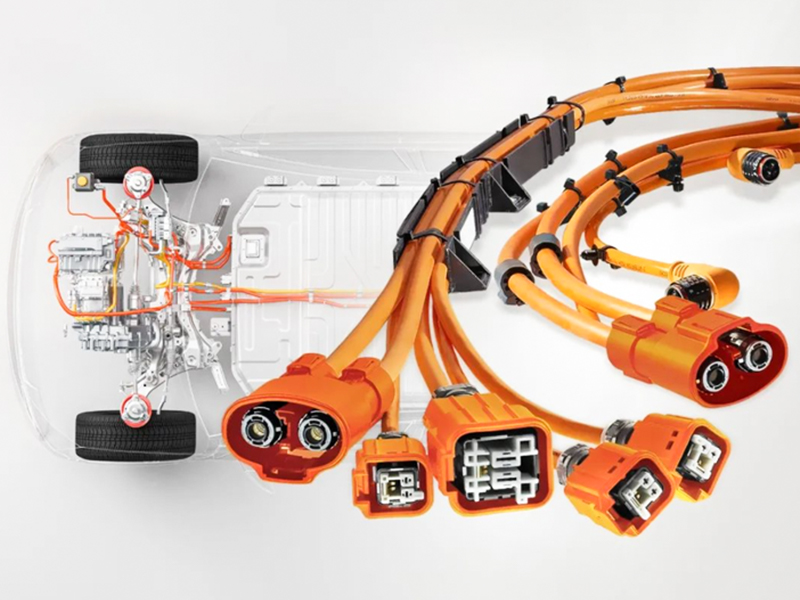
Introduction: The Critical Role of Fumed Silicone Rubber in Advanced Industries In automotive turbocharging systems, medical devices, and aerospace sealing applications, material failure is not just an inconvenience—it is a liability. Standard silicone compounds frequently fall short when facing extreme conditions: in...
READ MORE

Custom Automotive High Voltage Cable Silicone Rubber Factory
Overview
With the rapid advancement of the new energy vehicle (NEV) industry, Automotive High Voltage Cable Silicone Rubber has become essential for ensuring the safety of vehicle power systems. This product is engineered for high-voltage architectures within EVs and HEVs, effectively managing the thermal stress challenges posed by high voltages and large currents. Serving as a "firewall" for energy transmission, it ensures excellent electrical insulation while meeting the automotive industry's specific needs for lightweight design and spatial durability.
Features
The material possesses exceptional resistance to corona, arc tracking, and ultra-high dielectric strength, preventing breakdown in high-voltage environments. Its formula is specially optimized to maintain stable performance under extreme temperature fluctuations ranging from $-50$°C to $+200$°C. Additionally, it exhibits excellent chemical resistance (against coolants, lubricants, etc.), along with a high flame retardancy rating (UL94 V-0) and low-smoke characteristics, significantly enhancing vehicle safety while ensuring stable power delivery.
Applications
Exclusively used for high-voltage powertrain connection lines, battery pack internal wiring, charging pile cables, and other core power transmission systems such as motor controllers in new energy vehicles.
About Us
Liyang Tiansheng Insulating Materials Co., Ltd.
Liyang Tiansheng Insulating Materials Co., Ltd. is China Custom Automotive HV Cable Silicone Rubber Factory and Automotive High Voltage Cable Silicone Rubber Suppliers, founded in 2013. It is a professional service provider dedicated to application solutions for flame‑retardant and fire‑resistant insulation materials, as well as thermal runaway solutions.
Boasting a strong technical team and more than 40 professional employees, Liyang Tiansheng produces technically mature products at an advanced industry level. The company serves the top ten cable manufacturers in China, including Jiangsu Shangshang, New Far East, and Hengtong Group.
Liyang Tiansheng focuses on promoting new‑type fire‑resistant silicone materials and silicone applications for aerospace, nuclear power, new energy vehicles, and related components. Its core business covers various special silicone rubber products for cable manufacturers. After years of steady development, the company now has an annual production capacity of 5,000 tons of various special silicone rubber and fire‑resistant insulation products, with annual sales exceeding 50 million yuan.
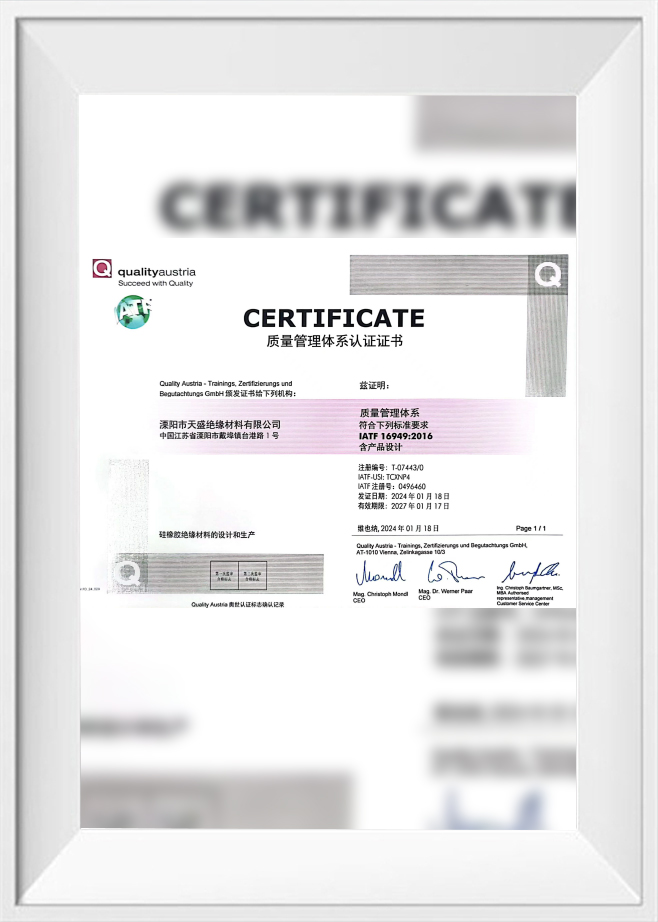
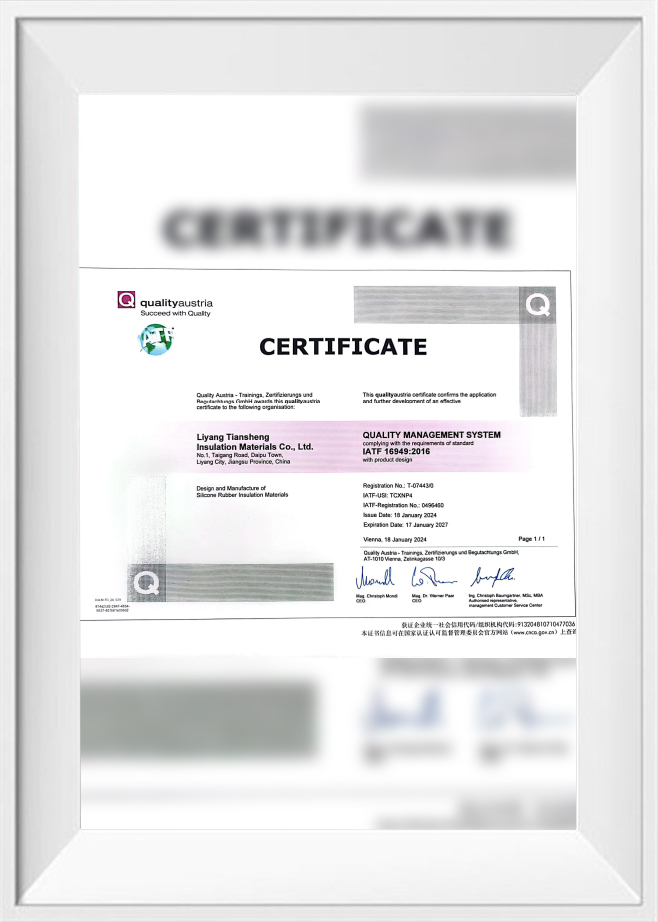
The company mainly uses high‑quality imported raw materials and specialized products from listed companies as its key production materials. Production processes are managed in accordance with the IATF 16949 new energy management system. Supported by extensive practical experience, a rigorous working attitude, and a complete testing system, the company ensures the quality of its products and services. Its professional and technical capabilities remain at the leading level among domestic counterparts. We offer Silicone Rubber For EV High Voltage Cable for sale.
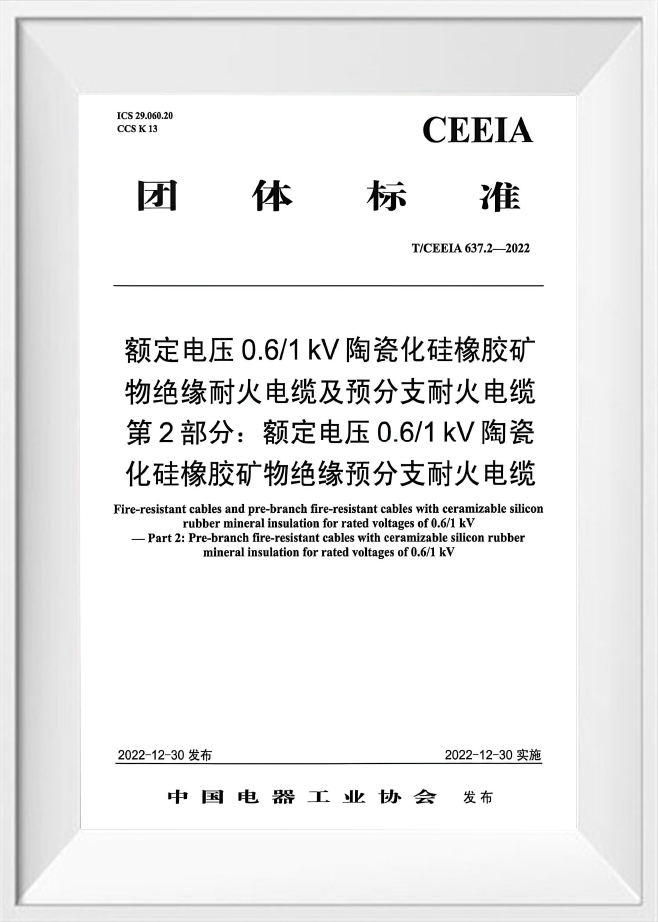
Certificate of Honor
News
-
-
Selecting a reliable silicone rubber supplier is one of the most critical decisions a manufacturer can make. The quality of your finished products depends directly on the materials you source, and this choice affects everything from production efficiency to customer satisfaction. Whether you're working with ordinary s...
READ MORE -
Understanding Silicone Rubber Products and Their Market Presence Silicone rubber has become indispensable across countless industries due to its exceptional thermal stability, chemical resistance, and flexibility. From automotive manufacturing to medical devices, silicone rubber products serve critical functions in e...
READ MORE
Automotive High Voltage Cable Silicone Rubber Industry knowledge
What is an automotive high voltage cable silicone rubber factory?
An automotive high voltage cable silicone rubber factory is a specialized manufacturing facility dedicated to producing advanced elastomeric compounds for electric vehicle (EV) and hybrid electric vehicle (HEV) power systems. With the rapid advancement of the new energy vehicle industry, silicone rubber for EV high voltage cable has become essential for ensuring the safety and reliability of vehicle power transmission architectures. These factories employ precision compounding technologies to formulate materials that serve as a "firewall" for energy transmission, ensuring excellent electrical insulation while meeting the automotive industry's specific needs for lightweight design and spatial durability. This article examines the capabilities, product categories, and quality systems that define a custom automotive HV cable silicone rubber manufacturer. For engineers and procurement professionals in the EV supply chain, understanding these specialized production environments is critical for selecting reliable materials. Liyang Tiansheng Insulating Materials Co., Ltd. exemplifies such a facility, having developed extensive expertise in producing high-performance silicone compounds that serve leading cable manufacturers and new energy vehicle component suppliers.
1. The Technical Foundation of Automotive High Voltage Cable Silicone Rubber
The defining characteristics of automotive high voltage cable silicone rubber are its exceptional electrical insulation properties and thermal stability under extreme operating conditions. Unlike conventional silicone compounds, materials engineered for EV high-voltage architectures must effectively manage the thermal stress challenges posed by high voltages and large currents. The material possesses outstanding resistance to corona, arc tracking, and ultra-high dielectric strength, preventing breakdown in high-voltage environments where conventional insulators would fail catastrophically. silicone rubber for EV high voltage cable is specifically formulated to maintain stable performance under extreme temperature fluctuations ranging from -50°C to +200°C, ensuring consistent power delivery across diverse climate conditions and operating states.
The production of automotive HV cable silicone rubber requires manufacturing capabilities that distinguish specialized factories from general-purpose silicone producers. The formulation incorporates highly active fumed silica reinforcement networks combined with specially optimized stabilizers and flame-retardant systems. The compound must achieve UL94 V-0 flame retardancy ratings while maintaining low-smoke characteristics and excellent chemical resistance against coolants, lubricants, and other automotive fluids. These demanding performance requirements necessitate advanced compounding equipment, precise process control, and comprehensive testing capabilities. Liyang Tiansheng has mastered these technical challenges, with its strong technical team of more than 40 professional employees producing technically mature products at an advanced industry level. The company serves the top ten cable manufacturers in China, including Jiangsu Shangshang, New Far East, and Hengtong Group, with its production processes managed under the IATF 16949 new energy management system.
Key Performance Requirements for Automotive HV Cable Silicone Rubber
- Dielectric Strength: Ultra-high values exceeding 25 kV/mm to prevent high-voltage breakdown
- Corona and Arc Tracking Resistance: Exceptional resistance to surface discharge and tracking
- Thermal Stability: Stable performance from -50°C to +200°C without property degradation
- Flame Retardancy: UL94 V-0 rating with low-smoke characteristics
- Chemical Resistance: High resistance to coolants, lubricants, and automotive fluids
2. Product Categories in Automotive High Voltage Cable Silicone Rubber Manufacturing
Custom automotive high voltage cable silicone rubber factories typically offer several specialized product categories, each optimized for specific applications within the EV power system. The following three classifications represent the most commercially significant variants within this performance-critical segment.
2.1 High-Voltage Power Transmission Cable Compound
Definition and Positioning: High-voltage power transmission cable compound represents the core product category for silicone rubber for EV high voltage cable applications. This grade is specifically engineered for high-voltage architectures within EVs and HEVs, designed to handle the demanding electrical and thermal stresses of main power transmission lines connecting the battery pack to the motor controller and other high-power components.
Core Functionality and Technical Characteristics: This automotive HV cable silicone rubber grade delivers exceptional resistance to corona and arc tracking while maintaining ultra-high dielectric strength that prevents breakdown in high-voltage environments. The formula is specially optimized to maintain stable performance under extreme temperature fluctuations ranging from -50°C to +200°C. The material exhibits excellent chemical resistance against coolants, lubricants, and other automotive fluids, along with a high flame retardancy rating of UL94 V-0 and low-smoke characteristics that significantly enhance vehicle safety while ensuring stable power delivery. Acting as a "firewall" for energy transmission, this compound ensures excellent electrical insulation while meeting the automotive industry's specific needs for lightweight design and spatial durability. The material's physical metrics demonstrate its superiority over general-purpose silicone in terms of tear strength and long-term thermal aging resistance.
Typical Applications: This grade is exclusively used for high-voltage powertrain connection lines, battery pack internal wiring, and core power transmission systems such as motor controllers in new energy vehicles. It ensures safe and reliable power delivery from the battery to the vehicle's propulsion system.
Differentiation and Company Capabilities: The combination of ultra-high dielectric strength and thermal stability distinguishes this product from standard silicone cable compounds. Liyang Tiansheng produces this grade using high-quality imported raw materials and specialized products from listed companies as key production materials. The company's rigorous working attitude and complete testing system ensure consistent quality across its 5,000-ton annual production capacity.
2.2 Charging Cable Silicone Compound
Definition and Positioning: Charging cable silicone compound is a specialized formulation of automotive high voltage cable silicone rubber optimized for the unique demands of EV charging infrastructure. Unlike fixed vehicle wiring, charging cables experience frequent handling, mechanical stress, and exposure to varied environmental conditions, requiring enhanced flexibility and mechanical durability alongside electrical performance.
Core Functionality and Technical Characteristics: This silicone rubber for EV high voltage cable grade maintains the essential electrical properties—corona resistance, arc tracking resistance, and ultra-high dielectric strength—while offering improved flexibility and abrasion resistance for frequent handling applications. The formula is optimized for stable performance from -50°C to +200°C, ensuring reliable charging in extreme climate conditions. The material exhibits excellent chemical resistance against coolants, lubricants, and environmental contaminants, along with UL94 V-0 flame retardancy and low-smoke characteristics. The compound's superior tear strength and outstanding resilience enable it to withstand the mechanical demands of daily charging station use while maintaining its protective function as a "firewall" for energy transmission. Its excellent processability results in a dense, smooth surface that resists dust accumulation and provides a premium appearance for consumer-facing charging equipment.
Typical Applications: This grade is exclusively used for charging pile cables and other core power transmission systems where frequent handling and environmental exposure are primary considerations. It is essential for public and private EV charging infrastructure.
Differentiation and Company Capabilities: The enhanced flexibility and mechanical durability distinguish this product from fixed-wiring compounds. Liyang Tiansheng focuses on promoting new-type fire-resistant silicone materials and silicone applications for new energy vehicles and related components. The company's annual sales exceeding 50 million yuan reflect market recognition of such high-performance solutions, and its professional technical capabilities remain at the leading level among domestic counterparts.
2.3 High-Flexibility Battery Pack Interconnect Compound
Definition and Positioning: High-flexibility battery pack interconnect compound represents the most demanding category of automotive high voltage cable silicone rubber, designed for the tight spaces and dynamic conditions within EV battery modules. This grade addresses the unique challenges of internal battery wiring, where space constraints, vibration, and thermal cycling require exceptional flexibility and durability.
Core Functionality and Technical Characteristics: This automotive HV cable silicone rubber grade exhibits exceptional resistance to flex fatigue, withstanding over 10 million flex cycles without cracking—critical for battery pack applications subject to vehicle vibration and thermal expansion. The compound maintains ultra-high dielectric strength and corona resistance while offering the flexibility required for routing through confined battery pack spaces. The formula is optimized for stable performance from -50°C to +200°C, accommodating the heat generated during rapid charging and high-current discharge. It offers excellent chemical resistance against coolants, lubricants, and battery electrolyte components, along with UL94 V-0 flame retardancy and low-smoke characteristics that significantly enhance vehicle safety. The material serves as a "firewall" for energy transmission while ensuring stable power delivery in the demanding battery pack environment. Its minimal fatigue loss during long-term dynamic reciprocating motions substantially extends the service life of battery pack wiring systems.
Typical Applications: This grade is exclusively used for battery pack internal wiring, cell-to-cell interconnects, and power distribution within new energy vehicle battery modules. It ensures reliable power transmission in the most demanding segment of the EV power system.
Differentiation and Company Capabilities: The combination of extreme flexibility, fatigue resistance, and electrical performance distinguishes this product in the market. Liyang Tiansheng has built its core business around providing various special silicone rubber products for cable manufacturers, with particular emphasis on new energy vehicle applications. The company's extensive practical experience, rigorous working attitude, and complete testing system ensure product quality and performance for these critical safety applications.
Comparative Overview: Automotive High Voltage Silicone Rubber Grades
| Property | Power Transmission Cable | Charging Cable | Battery Pack Interconnect |
| Dielectric Strength (kV/mm) | ≥25 | ≥25 | ≥25 |
| Temperature Range | -50°C to +200°C | -50°C to +200°C | -50°C to +200°C |
| Flex Cycle Life | Standard | ≥5×10⁶ cycles | ≥1×10⁷ cycles |
| Flame Retardancy | UL94 V-0 | UL94 V-0 | UL94 V-0 |
| Key Application | Main power transmission | Charging infrastructure | Battery module internal wiring |
3. Quality Assurance in Automotive High Voltage Cable Silicone Rubber Production
The production of automotive high voltage cable silicone rubber requires comprehensive quality assurance systems that address the critical safety nature of EV power systems. Liyang Tiansheng operates under the IATF 16949 new energy management system, which incorporates defect-prevention methodologies and continuous improvement requirements specific to the automotive industry. The company's complete testing system verifies dielectric strength, corona resistance, flame retardancy, and thermal stability across all production batches. With annual production capacity of 5,000 tons of various special silicone rubber and fire-resistant insulation products, the company demonstrates its ability to meet large-scale production demands while maintaining quality standards. The use of high-quality imported raw materials and specialized products from listed companies as key production materials further ensures product consistency. The company's professional and technical capabilities, supported by extensive practical experience and a rigorous working attitude, position it at the leading level among domestic counterparts.
- Raw Material Verification: Comprehensive testing of incoming polymers, fillers, and additives for specification compliance
- In-Process Quality Control: Continuous monitoring of compounding parameters and dispersion quality
- Finished Product Testing: Complete verification of dielectric, thermal, mechanical, and flame-retardant properties
- Traceability Systems: Full documentation of material origins and production history
- Continuous Improvement: Systematic analysis of process data to optimize product quality
4. Frequently Asked Questions
Q1: Why is silicone rubber preferred for automotive high-voltage cable applications?
Silicone rubber for EV high voltage cable offers superior corona resistance, arc tracking resistance, and ultra-high dielectric strength that prevents breakdown in high-voltage environments. Its thermal stability from -50°C to +200°C and excellent chemical resistance make it ideal for the demanding conditions of EV powertrains.
Q2: What flame retardancy standards must automotive high-voltage cable silicone rubber meet?
Automotive HV cable silicone rubber must achieve UL94 V-0 flame retardancy ratings with low-smoke characteristics. This significantly enhances vehicle safety by slowing flame spread and minimizing smoke generation during fire accidents, while ensuring stable power delivery.
Q3: What quality standards does Liyang Tiansheng follow for its automotive cable products?
Liyang Tiansheng Insulating Materials Co., Ltd. manages production under the IATF 16949 new energy management system, maintaining a complete testing system to verify dielectric properties, thermal stability, and flame retardance. The company uses high-quality imported raw materials and employs a strong technical team to ensure consistent quality across its 5,000-ton annual production capacity.
Q4: Can automotive high-voltage cable silicone rubber withstand exposure to automotive fluids?
Yes. automotive high voltage cable silicone rubber is specially formulated with excellent chemical resistance against coolants, lubricants, and other automotive fluids. This ensures long-term reliability in the engine compartment and battery pack environments where fluid exposure is common.

Subscribe to Newsletters
What to stay up to date?
Contact us via the email address below.
Head office
No. 16, Industrial Concentration Zone, Daibu Town, Liyang City, China
Scan code
Email
lyts@lyts2023.com
Phone
+86-17625747685
Tel
+86-519-87902211
Copyright 2026 Liyang Tiansheng Insulating Materials Co., Ltd. All Rights Reserved.
Custom Silicone Rubber For EV High Voltage Cable Suppliers

Are You Interested?
Are You Interested?
