

 English
 русский
 Español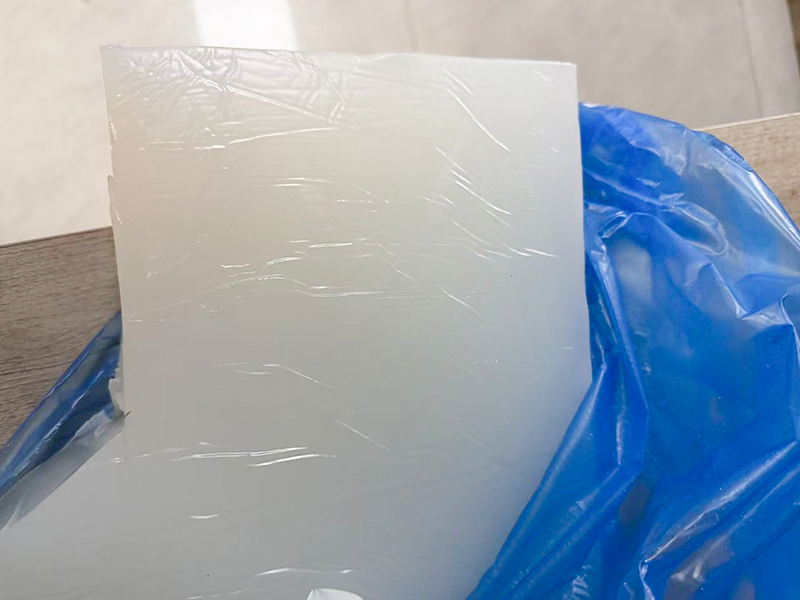
Introduction: The Critical Role of Fumed Silicone Rubber in Advanced Industries In automotive turbocharging systems, medical devices, and aerospace sealing applications, material failure is not just an inconvenience—it is a liability. Standard silicone compounds frequently fall short when facing extreme conditions: in...
READ MORE

Custom Silicone Rubber Insulation Material Factory
Overview
This series of general-purpose silicone insulation compounds consists of high-performance dielectric materials specifically developed for high-temperature power transmission and signal protection. Formulated with premium polysiloxane gum, high-activity reinforcing fillers, and specialized functional additives, these compounds are produced through precision kneading processes. They form a dense and stable protective layer over the conductor, capable of withstanding intense current fluctuations and maintaining long-term reliable insulation levels even under severe thermal aging conditions, serving as the core safety barrier for cable systems.
Features
The material boasts exceptional volume resistivity and dielectric breakdown strength, effectively suppressing partial discharge phenomena. Its outstanding chemical stability provides high inertness against acids, alkalis, salts, and various industrial chemicals. Furthermore, the compound offers excellent processing adaptability with fast extrusion speeds and stable pressure, resulting in insulation layers with superior concentricity and significantly reduced scrap rates. It operates across a broad temperature range without hardening or becoming brittle under long-term high-temperature use.
Applications
Primarily used for various motor lead wires, specialized high-temperature aerospace wires, internal wiring for high-heat appliances such as microwave ovens and toasters, as well as high-voltage cable accessories and shrinkable insulation components in power systems.
About Us
Liyang Tiansheng Insulating Materials Co., Ltd.
Liyang Tiansheng Insulating Materials Co., Ltd. is China Custom Precipitated Silicone Rubber Insulation Factory and Silicone Rubber Insulation Material Suppliers, founded in 2013. It is a professional service provider dedicated to application solutions for flame‑retardant and fire‑resistant insulation materials, as well as thermal runaway solutions.
Boasting a strong technical team and more than 40 professional employees, Liyang Tiansheng produces technically mature products at an advanced industry level. The company serves the top ten cable manufacturers in China, including Jiangsu Shangshang, New Far East, and Hengtong Group.
Liyang Tiansheng focuses on promoting new‑type fire‑resistant silicone materials and silicone applications for aerospace, nuclear power, new energy vehicles, and related components. Its core business covers various special silicone rubber products for cable manufacturers. After years of steady development, the company now has an annual production capacity of 5,000 tons of various special silicone rubber and fire‑resistant insulation products, with annual sales exceeding 50 million yuan.
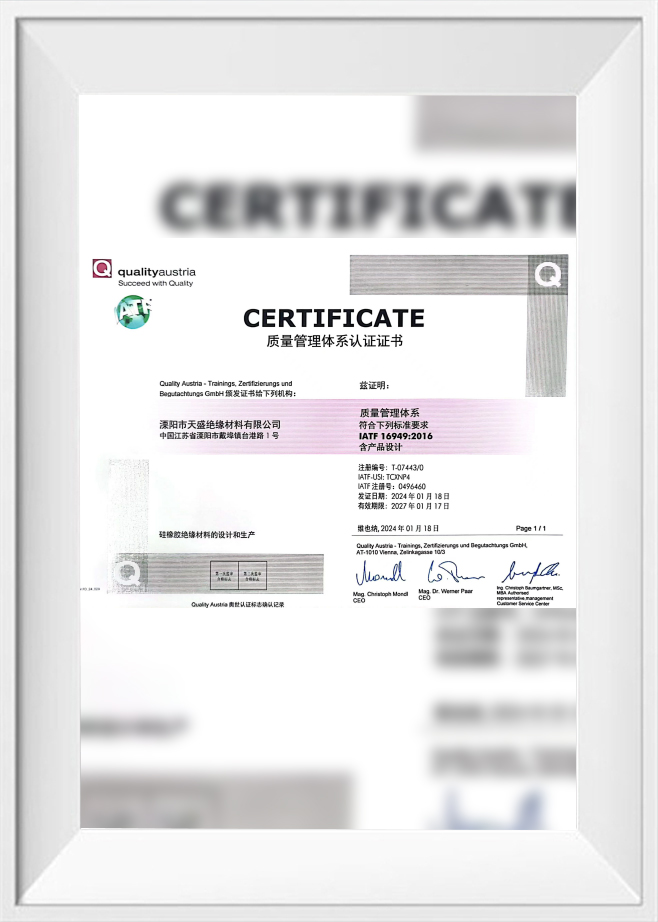
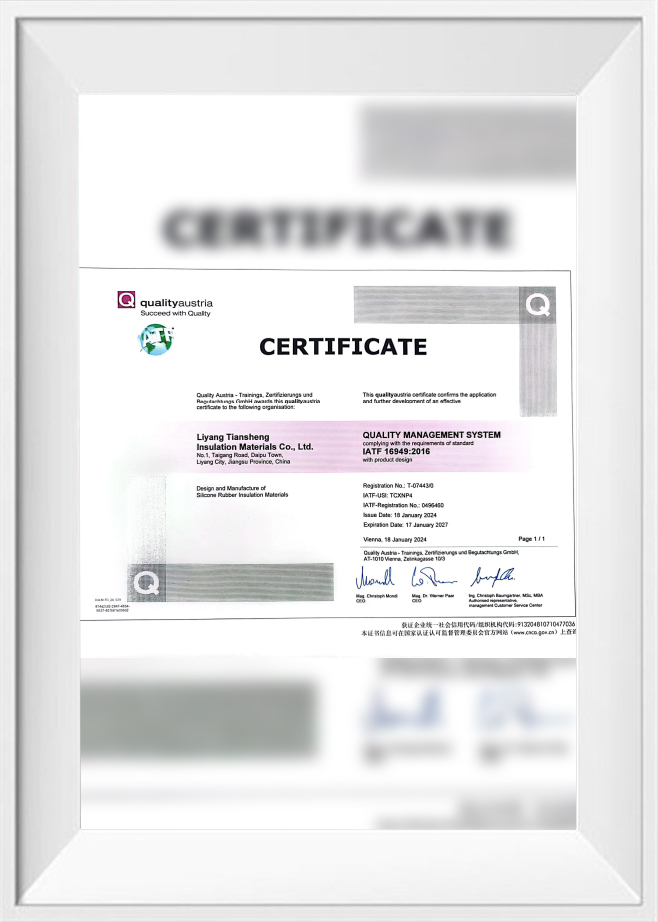
The company mainly uses high‑quality imported raw materials and specialized products from listed companies as its key production materials. Production processes are managed in accordance with the IATF 16949 new energy management system. Supported by extensive practical experience, a rigorous working attitude, and a complete testing system, the company ensures the quality of its products and services. Its professional and technical capabilities remain at the leading level among domestic counterparts. We offer Silicone Rubber Insulation for sale.
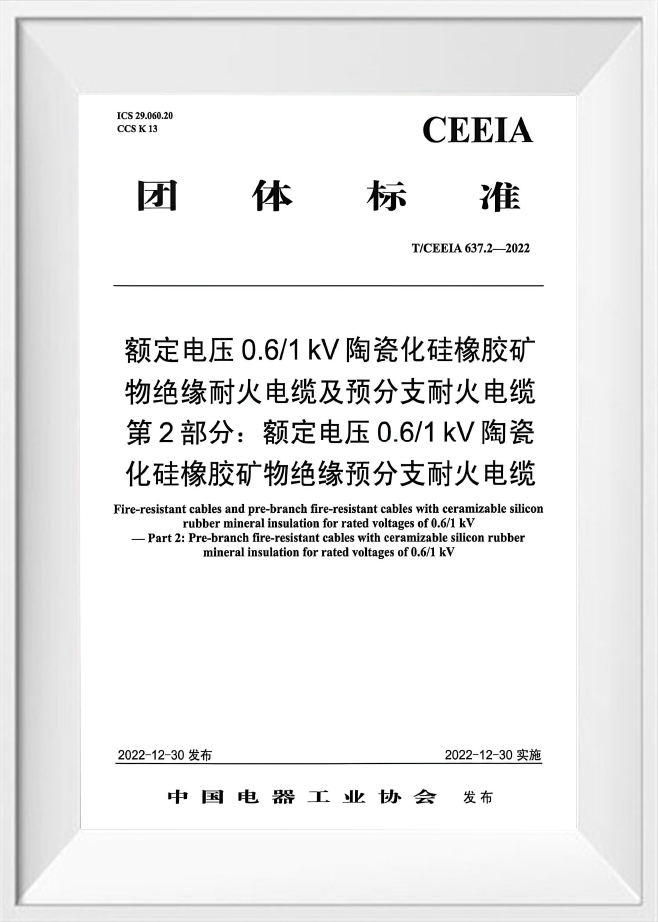
Certificate of Honor
News
-
-
Selecting a reliable silicone rubber supplier is one of the most critical decisions a manufacturer can make. The quality of your finished products depends directly on the materials you source, and this choice affects everything from production efficiency to customer satisfaction. Whether you're working with ordinary s...
READ MORE -
Understanding Silicone Rubber Products and Their Market Presence Silicone rubber has become indispensable across countless industries due to its exceptional thermal stability, chemical resistance, and flexibility. From automotive manufacturing to medical devices, silicone rubber products serve critical functions in e...
READ MORE
Ordinary Silicone Rubber Insulation Material Industry knowledge
What is precipitated silicone rubber insulation material?
precipitated silicone rubber insulation material represents a distinct category of dielectric elastomers engineered specifically for electrical insulation applications. Unlike fumed silica-reinforced compounds that dominate high-mechanical-strength segments, precipitated silica grades offer a compelling balance of electrical performance, thermal stability, and cost efficiency. This article examines the composition, classification, and application-specific characteristics of silicone rubber insulation compounds, with particular attention to how precipitated silica reinforcement influences both processing behavior and end-use performance. For manufacturers serving the cable and wire industries, understanding the nuances of silicone rubber insulation material is essential for selecting the appropriate grade for each application. Liyang Tiansheng Insulating Materials Co., Ltd., established in 2013, has developed specialized expertise in this domain, producing technically mature insulation compounds that meet the rigorous demands of high-temperature power transmission and signal protection.
1. Composition and Manufacturing of Precipitated Silicone Rubber Insulation
The foundation of precipitated silicone rubber insulation is a high-molecular-weight polydimethylsiloxane (PDMS) gum, typically with vinyl functionality to facilitate crosslinking. The distinguishing feature of this material class is the use of precipitated silica as the primary reinforcing filler. Precipitated silica, manufactured through a wet chemical process involving the neutralization of sodium silicate with mineral acid, offers a specific surface area of approximately 150–250 m²/g—lower than fumed silica but entirely adequate for insulation applications where mechanical strength requirements are moderate. This silicone rubber insulation material is compounded through intensive kneading processes that ensure uniform dispersion of the silica particles, along with functional additives including structure-control agents, processing aids, and crosslinking systems. The resulting compound exhibits excellent volume resistivity and dielectric breakdown strength, effectively suppressing partial discharge phenomena—a critical requirement for reliable cable insulation.
The choice of precipitated silica directly influences both cost structure and processing behavior. Compared to fumed silica-reinforced compounds, precipitated silicone rubber insulation offers superior extrusion characteristics, including faster extrusion speeds and more stable pressure profiles, resulting in insulation layers with superior concentricity and significantly reduced scrap rates. Liyang Tiansheng Insulating Materials Co., Ltd. produces these compounds using high-quality imported raw materials and specialized products from listed companies as key production materials. The company's production processes are managed in accordance with the IATF 16949 new energy management system, ensuring batch-to-batch consistency across its 5,000-ton annual production capacity.
Key Characteristics of Precipitated Silicone Rubber Insulation
- Dielectric Strength: Typically 18–22 kV/mm, providing robust insulation against electrical breakdown
- Volume Resistivity: Exceeds 1×10¹⁴ Ω·cm, minimizing leakage current
- Thermal Stability: Continuous operation from -60°C to 200°C without property degradation
- Chemical Inertness: High resistance to acids, alkalis, salts, and industrial chemicals
- Extrusion Performance: Fast processing speeds with excellent dimensional stability
2. Classification of Silicone Rubber Insulation Materials
Silicone rubber insulation compounds can be classified along multiple dimensions, each reflecting different performance priorities and application requirements. By reinforcement type, the primary distinction is between precipitated silica and fumed silica grades. By curing mechanism, compounds divide into peroxide-cured and platinum-addition-cured systems. By application focus, the material family includes general-purpose grades, flame-retardant grades, and high-temperature-resistant grades. The following three product categories represent the most commercially significant variants of silicone rubber insulation material within the precipitated silica family.
3.1 General-Purpose Precipitated Silicone Insulation
Definition and Positioning: General-purpose precipitated silicone rubber insulation constitutes the baseline product in this category, designed for standard wire and cable insulation applications where extreme mechanical performance is not required. This grade is formulated with a balanced ratio of precipitated silica, process oils, and conventional peroxide crosslinking systems. It serves as the default silicone rubber insulation material for a wide range of industrial and consumer wiring applications.
Core Functionality and Technical Characteristics: This silicone rubber insulation grade delivers dielectric strength of 18–20 kV/mm and volume resistivity exceeding 1×10¹⁴ Ω·cm. The compound exhibits excellent chemical stability, providing high inertness against acids, alkalis, salts, and various industrial chemicals. Its broad operating temperature range ensures reliable performance from -60°C to 200°C, with intermittent exposure capability up to 300°C. The material forms a dense and stable protective layer over the conductor, capable of withstanding intense current fluctuations and maintaining long-term reliable insulation levels even under severe thermal aging conditions.
Typical Applications: This grade is primarily used for various motor lead wires, internal wiring for high-heat appliances such as microwave ovens and toasters, and general-purpose appliance wiring. It also finds application in power system accessories and standard industrial cables where cost efficiency and reliable insulation are primary considerations. Liyang Tiansheng serves leading cable manufacturers in China with such products, including Jiangsu Shangshang, New Far East, and Hengtong Group.
Differentiation and Company Capabilities: The key differentiator of this grade is its excellent processing adaptability—fast extrusion speeds with stable pressure profiles—coupled with reliable long-term electrical performance. Liyang Tiansheng Insulating Materials Co., Ltd. has accumulated substantial practical experience in producing these compounds, supported by a complete testing system that ensures consistent quality across all production batches.
3.2 High-Temperature Precipitated Silicone Insulation
Definition and Positioning: High-temperature precipitated silicone rubber insulation is formulated with enhanced thermal stability additives and optimized crosslink density to extend the material's useful service life under extreme heat conditions. While retaining the precipitated silica reinforcement approach, this grade incorporates special heat-stabilizing packages that retard thermal oxidation and maintain electrical properties over extended exposure to elevated temperatures.
Core Functionality and Technical Characteristics: This silicone rubber insulation material offers continuous service capability up to 220°C, with short-term tolerance to 300°C. Dielectric strength is maintained at 20–22 kV/mm even after 1,000 hours of thermal aging at 200°C. The compound exhibits lower compression set at high temperatures compared to general-purpose grades, ensuring maintained insulation integrity even under mechanical stress. The special additive package also enhances resistance to thermal runaway events—a critical safety consideration addressed by Liyang Tiansheng's core competence in thermal runaway solutions.
Typical Applications: This grade is specifically developed for specialized high-temperature aerospace wires, internal wiring for high-powered industrial ovens, and automotive wiring in engine compartment applications. It is also used in high-voltage cable accessories and shrinkable insulation components in power systems where elevated operating temperatures are encountered. The compound's ability to withstand intense current fluctuations without degradation makes it suitable for demanding power transmission applications.
Differentiation and Company Capabilities: The thermal stability additive package distinguishes this product from standard grades. Liyang Tiansheng focuses on promoting new-type fire-resistant silicone materials and silicone applications for aerospace, nuclear power, and new energy vehicles. The company's annual sales exceeding 50 million yuan reflect the market recognition of such high-performance solutions, and its professional technical capabilities remain at the leading level among domestic counterparts.
3.3 Flame-Retardant Precipitated Silicone Insulation
Definition and Positioning: Flame-retardant precipitated silicone rubber insulation incorporates additive systems—typically metal hydroxides or ceramic-forming fillers—to achieve flame-retardant ratings such as UL 94 V-0. These compounds maintain the core precipitated silica reinforcement while adding fire-suppression capabilities. They represent the highest-value segment within the precipitated silicone insulation category, addressing critical safety requirements in modern electrical installations.
Core Functionality and Technical Characteristics: This silicone rubber insulation grade maintains dielectric strength of 18–20 kV/mm while achieving limiting oxygen index (LOI) values of 28–35%. A critical advantage is the material's low smoke and non-toxic gas emission during combustion—a decisive factor for enclosed spaces and mass transit applications. The compound is free from halogens, phosphorus, and heavy metals, making it environmentally compliant. It also provides excellent resistance to tracking and erosion, extending service life in contaminated environments.
Typical Applications: These compounds are essential for wire and cable insulation in building construction, mining, and marine environments. They are also used in consumer electronics, aerospace interior components, and power system accessories where fire safety regulations mandate flame-retardant materials. The cable industry relies heavily on such grades for fire-resistant cables—a market segment where Liyang Tiansheng has established a particularly strong presence.
Differentiation and Company Capabilities: Flame-retardant grades differentiate themselves through regulatory compliance and tested performance in fire scenarios. This is precisely the domain where Liyang Tiansheng has concentrated its core business strategy—developing flame-retardant and fire-resistant insulation solutions that address thermal runaway risks in critical applications. The company's professional and technical capabilities, supported by a team of more than 40 specialists, ensure these products meet the most demanding specifications.
Comparative Overview: Precipitated Silicone Insulation Grades
| Property | General-Purpose Grade | High-Temperature Grade | Flame-Retardant Grade |
| Continuous Service Temperature | -60°C to 200°C | -60°C to 220°C | -60°C to 200°C |
| Dielectric Strength (kV/mm) | 18–20 | 20–22 | 18–20 |
| Volume Resistivity (Ω·cm) | ≥1×10¹⁴ | ≥1×10¹⁴ | ≥1×10¹⁴ |
| LOI Value | ≈22% | ≈22% | ≥28% |
| Key Advantage | Excellent processability, cost-effective | Extended thermal stability | Fire safety compliance, low smoke |
4. Processing and Application Considerations
Precipitated silicone rubber insulation offers distinct processing advantages that differentiate it from fumed silica-based compounds. The lower specific surface area of precipitated silica results in reduced compound viscosity at equivalent filler loadings, enabling faster extrusion speeds and lower energy consumption. This silicone rubber insulation material also exhibits improved green strength, facilitating handling during cable manufacturing operations. However, careful attention must be paid to compounding parameters, including kneading time, temperature control, and filler dispersion quality. Liyang Tiansheng has optimized its production processes through extensive practical experience and a rigorous working attitude, ensuring the consistent quality required by its customers.
- Extrusion Processing: Precipitated silica compounds exhibit excellent flow characteristics, enabling high-speed extrusion with stable pressure profiles.
- Thermal Aging Performance: The material maintains its dielectric properties under long-term high-temperature use without hardening or becoming brittle.
- Chemical Resistance: The compound demonstrates high inertness against acids, alkalis, salts, and various industrial chemicals.
- Quality Control: Complete testing systems ensure consistent performance across all production batches.
5. Frequently Asked Questions
Q1: What is the difference between precipitated silicone rubber insulation and fumed silica-based insulation?
Precipitated silicone rubber insulation uses wet-process silica as reinforcement, offering lower cost and superior extrusion characteristics compared to fumed silica grades. While fumed silica provides higher tensile strength, precipitated compounds are preferred for insulation applications where processing speed and dimensional stability are primary considerations.
Q2: What temperature range can precipitated silicone rubber insulation withstand?
Silicone rubber insulation material in the precipitated silica family typically operates continuously from -60°C to 200°C, with high-temperature grades extending to 220°C. Intermittent exposure up to 300°C is possible without catastrophic failure.
Q3: What quality standards does Liyang Tiansheng apply to its insulation products?
Liyang Tiansheng Insulating Materials Co., Ltd. manages production under the IATF 16949 new energy management system, maintaining a complete testing protocol. The company's 5,000-ton annual production capacity and annual sales exceeding 50 million yuan reflect its commitment to quality and reliability.
Q4: Can precipitated silicone rubber insulation be used in high-voltage applications?
Yes. Silicone rubber insulation compounds with dielectric strength of 18–22 kV/mm are suitable for medium and high-voltage cable accessories, including shrinkable insulation components and termination systems. Their exceptional volume resistivity effectively suppresses partial discharge phenomena, making them reliable for power system applications.

Subscribe to Newsletters
What to stay up to date?
Contact us via the email address below.
Head office
No. 16, Industrial Concentration Zone, Daibu Town, Liyang City, China
Scan code
Email
lyts@lyts2023.com
Phone
+86-17625747685
Tel
+86-519-87902211
Copyright 2026 Liyang Tiansheng Insulating Materials Co., Ltd. All Rights Reserved.
Custom Silicone Rubber Insulation Suppliers

Are You Interested?
Are You Interested?
