

 English
 русский
 Español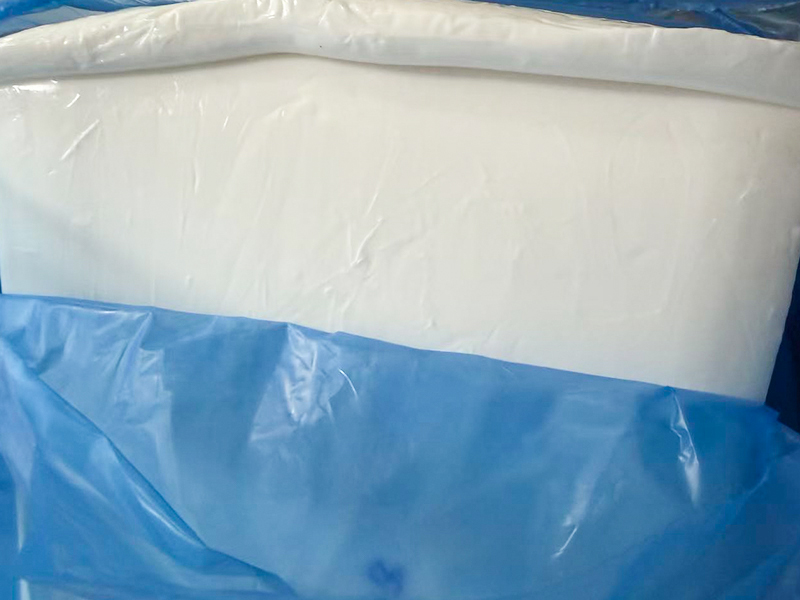
Introduction: The Critical Role of Fumed Silicone Rubber in Advanced Industries In automotive turbocharging systems, medical devices, and aerospace sealing applications, material failure is not just an inconvenience—it ...
READ MORE

Custom Flame Retardant Silicone Rubber Manufacturers
The Flame Retardant Silicone Rubber series consists of specialized functional materials developed for applications with stringent fire safety requirements. While maintaining the inherent superior properties of silicone, this series significantly slows flame propagation and achieves rapid self-extinguishment through advanced flame-retardant technologies. By optimizing both flame ratings and mechanical properties, this series meets multi-dimensional safety protection needs, ranging from consumer electronics to extreme industrial environments.
About Us
Liyang Tiansheng Insulating Materials Co., Ltd.
Liyang Tiansheng Insulating Materials Co., Ltd. is China Custom Flame Retardant Silicone Rubber Manufacturers and Flame Retardant Silicone Rubber Factory, founded in 2013. It is a professional service provider dedicated to application solutions for flame‑retardant and fire‑resistant insulation materials, as well as thermal runaway solutions.
Boasting a strong technical team and more than 40 professional employees, Liyang Tiansheng produces technically mature products at an advanced industry level. The company serves the top ten cable manufacturers in China, including Jiangsu Shangshang, New Far East, and Hengtong Group.
Liyang Tiansheng focuses on promoting new‑type fire‑resistant silicone materials and silicone applications for aerospace, nuclear power, new energy vehicles, and related components. Its core business covers various special silicone rubber products for cable manufacturers. After years of steady development, the company now has an annual production capacity of 5,000 tons of various special silicone rubber and fire‑resistant insulation products, with annual sales exceeding 50 million yuan.
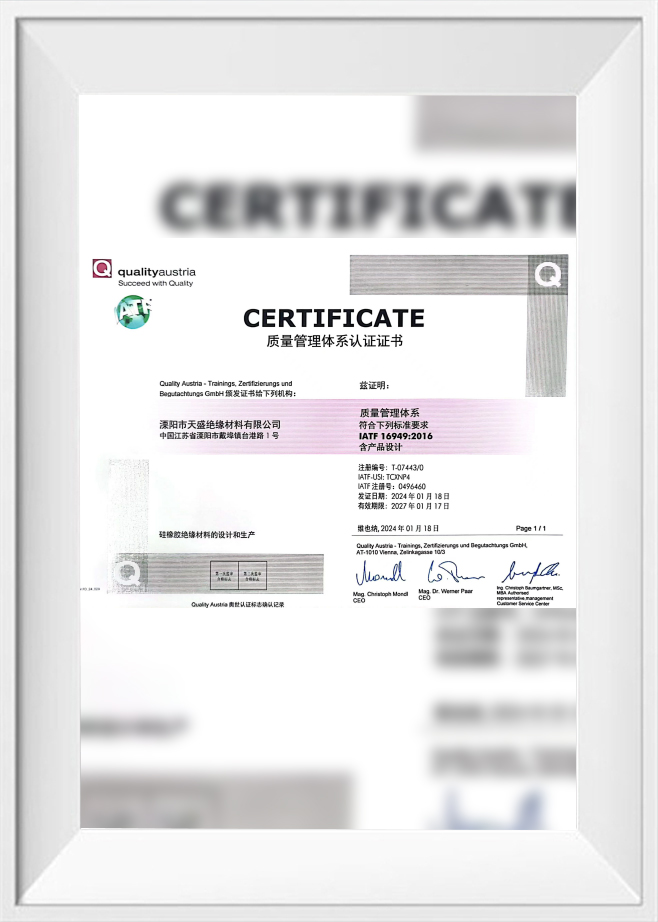
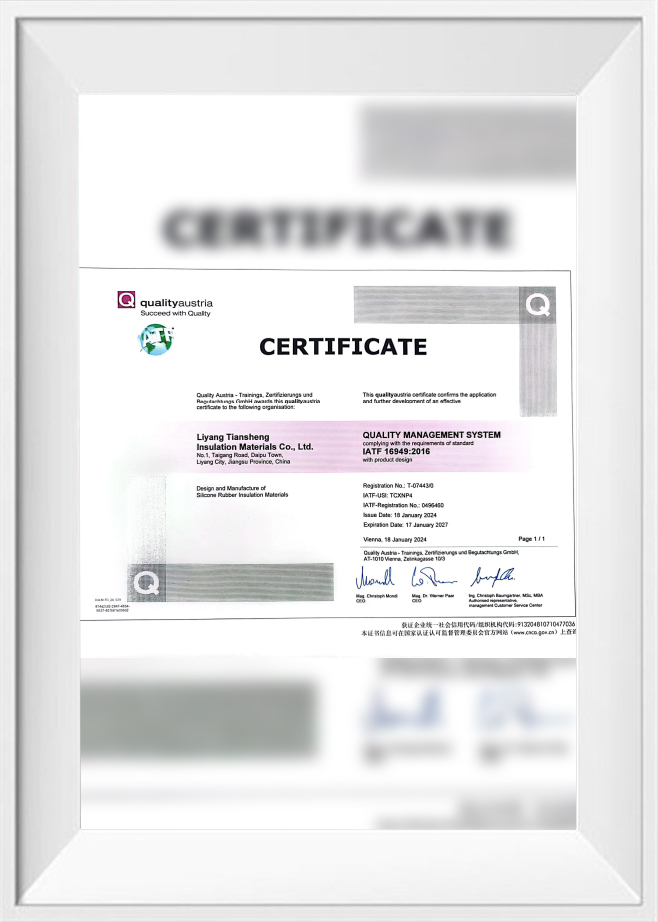
The company mainly uses high‑quality imported raw materials and specialized products from listed companies as its key production materials. Production processes are managed in accordance with the IATF 16949 new energy management system. Supported by extensive practical experience, a rigorous working attitude, and a complete testing system, the company ensures the quality of its products and services. Its professional and technical capabilities remain at the leading level among domestic counterparts. We offer Flame Retardant Silicone Rubber for sale.
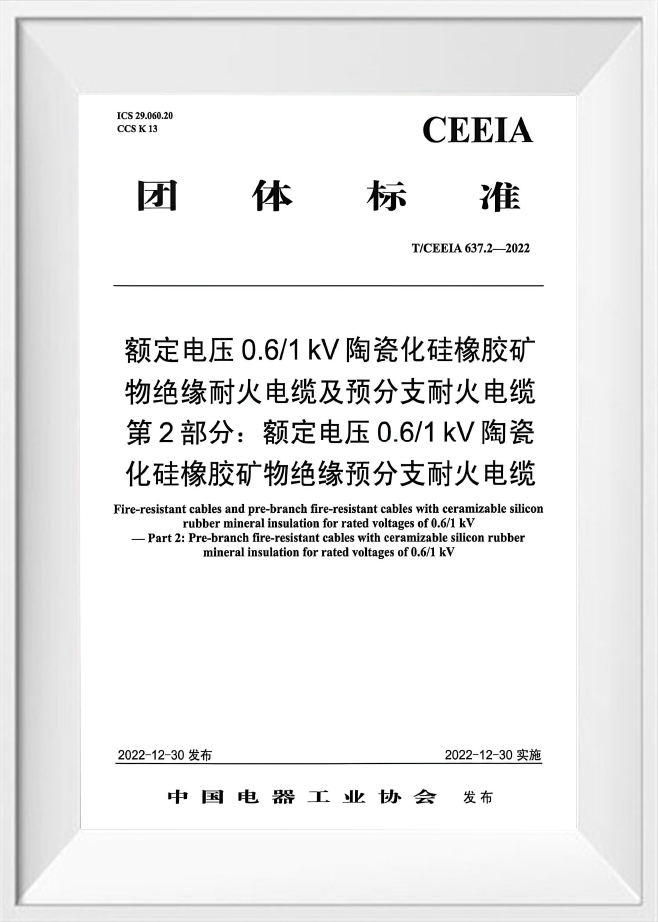
Certificate of Honor
News
-
-
Selecting a reliable silicone rubber supplier is one of the most critical decisions a manufacturer can make. The quality of your finished products depends directly on the materials you source, and this choice affects ev...
READ MORE -
Understanding Silicone Rubber Products and Their Market Presence Silicone rubber has become indispensable across countless industries due to its exceptional thermal stability, chemical resistance, and flexibility. From...
READ MORE -
Understanding Silicone Rubber Gaskets in Industrial Applications Silicone rubber gaskets have become essential components in modern industrial sealing solutions. These versatile materials offer exceptional performance a...
READ MORE
Flame Retardant Silicone Rubber Industry knowledge
What additives are used to make silicone rubber flame retardant and self-extinguishing?
Flame retardant silicone rubber is a specialized functional material developed for applications with stringent fire safety requirements. While maintaining the inherent superior properties of silicone—thermal stability, electrical insulation, and chemical resistance—this material significantly slows flame propagation and achieves rapid self-extinguishment through advanced flame-retardant technologies. Understanding the additive systems that enable these fire-safe characteristics is essential for manufacturers of cables, electronics, and automotive components. This article examines the key additives used to produce flame retardant silicone rubber, exploring how different additive classes contribute to flame suppression, smoke reduction, and mechanical property preservation. Liyang Tiansheng Insulating Materials Co., Ltd. has developed particular expertise in this field, producing technically mature flame-retardant compounds that serve leading cable manufacturers including Jiangsu Shangshang, New Far East, and Hengtong Group.
1. Fundamental Principles of Flame Retardancy in Silicone Rubber
Silicone rubber inherently possesses moderate flame resistance due to its inorganic silicon-oxygen backbone, which tends to form a ceramic-like silica residue upon combustion. However, standard silicone compounds will continue to burn in the presence of an open flame. To transform the material into a self-extinguishing compound, flame retardant silicone rubber incorporates additive systems that intervene in the combustion process through multiple mechanisms: gas-phase radical scavenging, condensed-phase char formation, and heat absorption. The goal of these additives is to significantly slow flame propagation and achieve rapid self-extinguishment while optimizing both flame ratings and mechanical properties. For manufacturers of flame retardant silicone rubber, balancing fire performance with processability and physical properties is the central technical challenge. The company's strong technical team, comprising more than 40 professional employees, has mastered these complex additive interactions, producing products that meet multi-dimensional safety protection needs ranging from consumer electronics to extreme industrial environments.
2. Classification of Flame Retardant Additives
Flame retardant silicone rubber compounds utilize three primary classes of additives, each functioning through distinct mechanisms to achieve fire safety. The selection and combination of these additives determine the compound's flame rating, smoke generation, and mechanical properties.
2.1 Platinum-Based Flame Retardant Systems
Definition and Positioning: Platinum-based flame retardant systems represent the most advanced and effective approach for achieving self-extinguishing properties in flame retardant silicone rubber. These systems utilize platinum complexes—typically platinum divinyltetramethyldisiloxane—that function as highly efficient flame suppressants at very low concentrations, typically 5-50 ppm of elemental platinum. Unlike conventional halogenated or metal hydroxide additives that require high loadings, platinum-based systems achieve flame retardance without compromising mechanical properties.
Core Functionality and Technical Characteristics: The platinum compound acts in the gas phase, scavenging free radicals generated during combustion and thereby interrupting the flame propagation chain reaction. This mechanism enables rapid self-extinguishment—flames typically extinguish within seconds after removal of the ignition source. flame retardant silicone rubber employing platinum systems can achieve UL94 V-0 ratings at minimal additive loadings, preserving the material's excellent tear strength, elongation, and thermal stability. The resulting material maintains its characteristic flexibility and resistance to dust accumulation while providing robust fire protection. However, platinum catalysts are sensitive to catalyst poisons such as amines, sulfur compounds, and phosphorus-containing substances, requiring careful formulation and handling.
Typical Applications: Platinum-based flame-retardant compounds are preferred for high-performance applications where mechanical properties and aesthetics are critical, including high-end cable sheathing, electronic component encapsulants, and aerospace interior materials. The company's rigorous working attitude and complete testing system ensure the consistent performance of these sophisticated formulations.
Differentiation and Company Capabilities: The efficiency and property preservation distinguish platinum systems from other flame-retardant approaches. Liyang Tiansheng has accumulated substantial experience in formulating platinum-based flame retardant silicone rubber, leveraging high-quality imported raw materials and specialized products to achieve reliable fire performance while maintaining the material's inherent advantages.
2.2 Metal Hydroxide Flame Retardants
Definition and Positioning: Metal hydroxide flame retardants, primarily aluminum hydroxide (ATH) and magnesium hydroxide (MDH), represent the most cost-effective approach for producing flame retardant silicone rubber. These additives function through an endothermic decomposition mechanism, absorbing significant heat during combustion and releasing water vapor that dilutes combustible gases. They are widely used for general-purpose fire-resistant silicone products where cost efficiency is a primary consideration.
Core Functionality and Technical Characteristics: ATH decomposes at approximately 200-220°C, releasing 34.6% by weight of water and absorbing 1.3 kJ/g of heat. MDH decomposes at a higher temperature (330-340°C), making it suitable for applications with higher processing temperatures. The water vapor released dilutes oxygen and flammable pyrolysis products, slowing flame spread. However, achieving effective flame retardance with metal hydroxides requires loadings of 40-60% by weight, which significantly impacts the compound's mechanical properties, increasing hardness and reducing elongation. The resulting flame retardant silicone rubber exhibits moderate flame retardance (typically UL94 V-1 or V-2) with low smoke generation and halogen-free characteristics.
Typical Applications: These compounds are widely used in building wire and cable, general-purpose electrical insulation, and mass-transit interior applications where cost and low smoke are prioritized over extreme mechanical performance. The company serves the top ten cable manufacturers in China with such products, including Jiangsu Shangshang, New Far East, and Hengtong Group.
Differentiation and Company Capabilities: The cost-effectiveness and low-smoke characteristics distinguish metal hydroxide-based compounds. Liyang Tiansheng has optimized its formulations to balance flame retardance and mechanical properties, supported by its IATF 16949-certified quality management system and extensive practical experience.
2.3 Ceramic-Forming Flame Retardant Systems
Definition and Positioning: Ceramic-forming flame retardant systems represent the most advanced category of flame retardant silicone rubber, incorporating special fillers that transform into a rigid ceramic shell under high-temperature exposure. This innovative approach provides active fire protection by creating a physical barrier that isolates the substrate from flame and heat.
Core Functionality and Technical Characteristics: These systems typically combine ceramic precursors—such as mica, glass frit, or special silicate minerals—with fluxing agents that promote sintering at elevated temperatures. Upon exposure to flame (typically 350°C to 3000°C), the flame retardant silicone rubber ceramizes to form a hard, self-supporting ceramic layer. This ceramic shell provides exceptional fire resistance and thermal insulation, effectively protecting underlying substrates during a fire. The material maintains all the properties of silicone rubber at room temperature while offering excellent fire resistance and low smoke toxicity. The ceramic-forming mechanism ensures that the material not only slows flame propagation but also maintains structural integrity, containing the fire and preventing its spread. The resulting compounds achieve UL94 V-0 ratings while offering low-smoke and halogen-free characteristics.
Typical Applications: Ceramic-forming flame retardant silicone rubber is primarily used for fire-resistant and refractory layers in wire and cable, particularly in new energy vehicle power batteries where it isolates heat between cells and modules. It is also widely employed in aerospace, nuclear power, and critical infrastructure applications requiring the highest level of fire protection.
Differentiation and Company Capabilities: The active ceramic barrier formation distinguishes this technology from passive flame-retardant approaches. Liyang Tiansheng focuses on promoting new-type fire-resistant silicone materials and silicone applications for aerospace, nuclear power, and new energy vehicles. With an annual production capacity of 5,000 tons and annual sales exceeding 50 million yuan, the company has positioned itself at the forefront of this advanced technology segment.
Comparative Overview: Flame Retardant Additive Systems
| Property | Platinum-Based | Metal Hydroxide | Ceramic-Forming |
| Typical Loading | 5-50 ppm Pt | 40-60% | 30-50% |
| UL94 Rating Achievable | V-0 | V-1 / V-2 | V-0 |
| Mechanical Property Impact | Minimal | Significant | Moderate |
| Smoke Generation | Low | Very Low | Low |
| Key Differentiator | Gas-phase radical scavenging | Heat absorption + water dilution | Active ceramic barrier formation |
3. The Role of Custom Manufacturers in Flame Retardant Formulation
Selecting the appropriate flame retardant system for flame retardant silicone rubber requires careful consideration of the end-use requirements. Custom manufacturers like Liyang Tiansheng possess the formulation expertise to optimize flame retardant additive packages for specific applications, balancing multiple performance parameters. The company uses high-quality imported raw materials and specialized products from listed companies as key production materials, ensuring the consistency and reliability of its flame-retardant compounds. Its production processes are managed under the IATF 16949 new energy management system, reflecting its commitment to quality and continuous improvement. Supported by extensive practical experience, a rigorous working attitude, and a complete testing system, the company ensures that its flame retardant silicone rubber products meet the most demanding fire safety requirements while maintaining the processing and mechanical properties required for successful manufacturing.
- Application-Specific Formulation: Customizing additive packages for cable, electronics, or automotive requirements
- UL Compliance Support: Assisting with UL94 testing and certification processes
- Mechanical Property Optimization: Balancing flame retardance with tear strength, flexibility, and processability
- Regulatory Compliance: Ensuring RoHS, REACH, and other regulatory requirements are met
- Thermal Stability Assessment: Verifying property retention under long-term high-temperature exposure
4. Frequently Asked Questions
Q1: What UL rating can flame retardant silicone rubber achieve?
Flame retardant silicone rubber can achieve UL94 V-0 ratings with appropriate additive systems. Platinum-based and ceramic-forming systems consistently achieve V-0 ratings, while metal hydroxide systems typically achieve V-1 or V-2 ratings depending on loading levels and application requirements.
Q2: Do flame retardant additives affect the mechanical properties of silicone rubber?
Yes. The impact varies by additive type. Platinum-based systems have minimal impact due to very low loadings. Metal hydroxides require high loadings that significantly increase hardness and reduce elongation. Ceramic-forming additives have moderate impact, with the final properties depending on the specific formulation. Custom manufacturers optimize both flame ratings and mechanical properties to meet application-specific requirements.
Q3: What quality standards does Liyang Tiansheng follow for its flame retardant products?
Liyang Tiansheng Insulating Materials Co., Ltd. operates under the IATF 16949 new energy management system, maintaining a complete testing system to verify flame ratings, mechanical properties, and thermal stability. The company uses high-quality imported raw materials and employs a strong technical team of more than 40 professionals to ensure consistent quality across its 5,000-ton annual production capacity.
Q4: Can flame retardant silicone rubber be used in new energy vehicle battery applications?
Yes. Ceramic-forming flame retardant silicone rubber is specifically designed for new energy vehicle battery applications, where it isolates heat between cells and modules, preventing single-cell damage from escalating into chain combustion. The material provides thermal runaway protection while meeting the automotive industry's stringent fire safety requirements.

Subscribe to Newsletters
What to stay up to date?
Contact us via the email address below.
Head office
No. 16, Industrial Concentration Zone, Daibu Town, Liyang City, China
Scan code
Email
lyts@lyts2023.com
Phone
+86-17625747685
Tel
+86-519-87902211
Copyright 2026 Liyang Tiansheng Insulating Materials Co., Ltd. All Rights Reserved.
Custom Flame Retardant Silicone Rubber Suppliers

Are You Interested?
Are You Interested?
