

 English
 русский
 Español
Are You Interested?
Are You Interested?


Content
Few materials handle the demands of modern engineering as consistently as silicone rubber compound. An engineer selecting a seal for an engine bay, a buyer sourcing tubing for a medical device, and a product designer choosing a keypad for a household appliance all face the same question: will the material keep its flexibility, shape and protective qualities when conditions turn harsh? For many applications, the answer depends on the specific compound behind the finished part.
A silicone rubber compound is a high-performance synthetic elastomer that stays flexible across very wide temperature ranges, resists aging and weathering, and provides dependable electrical insulation. Because it is a compound rather than a single pure polymer, its final behavior is shaped by the base polymer, the fillers, the curing system and the additives. That is why two products sold under the same general name can perform very differently in real service.
This guide explains what silicone rubber compound is, which properties make it valuable, the main types available, how it serves key industries, and a practical method for choosing the right grade. The aim is to help you define your operating conditions before you request samples or quotations, so that the material you select matches the job rather than the other way around.
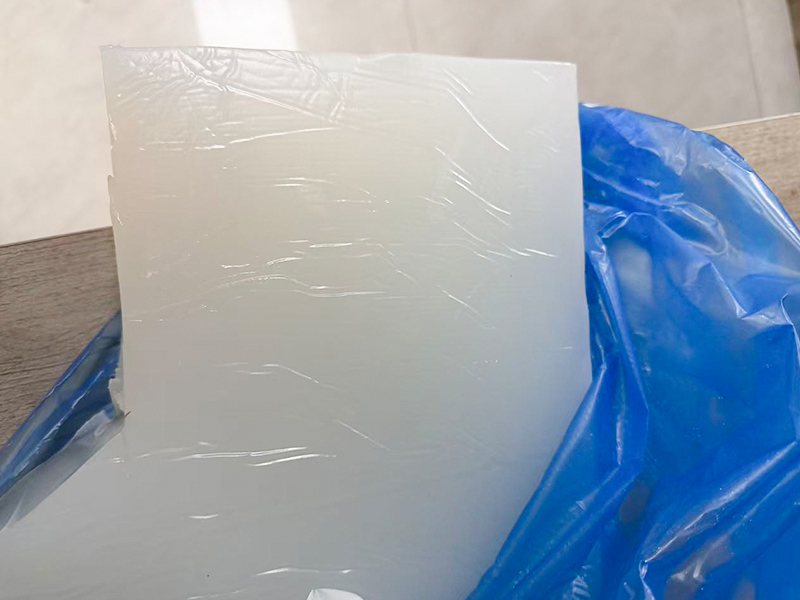
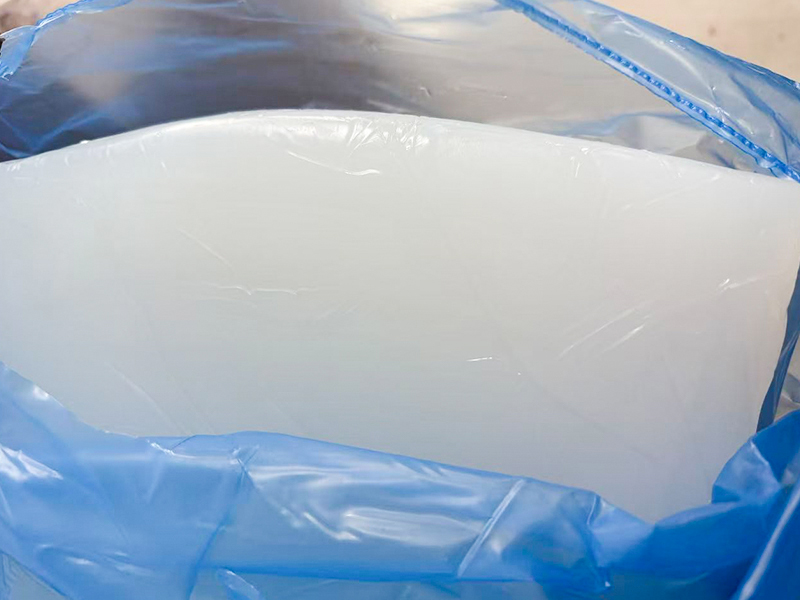
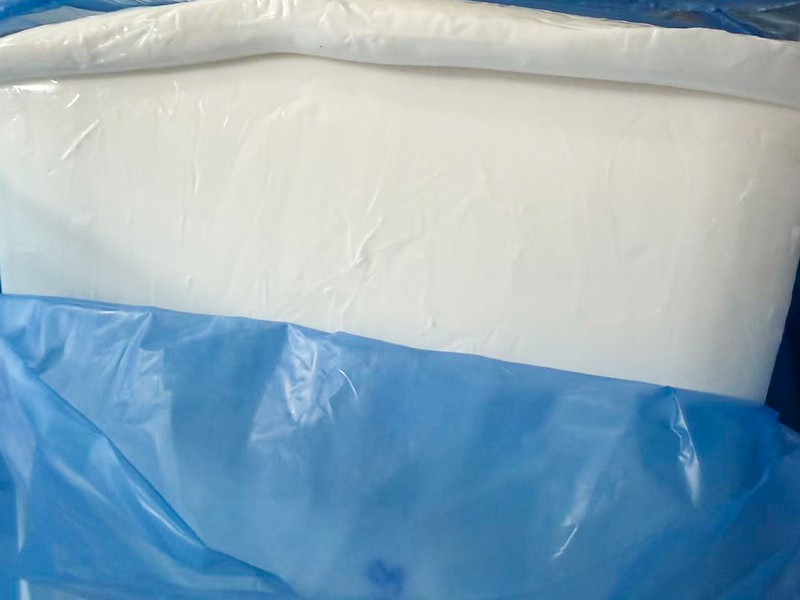
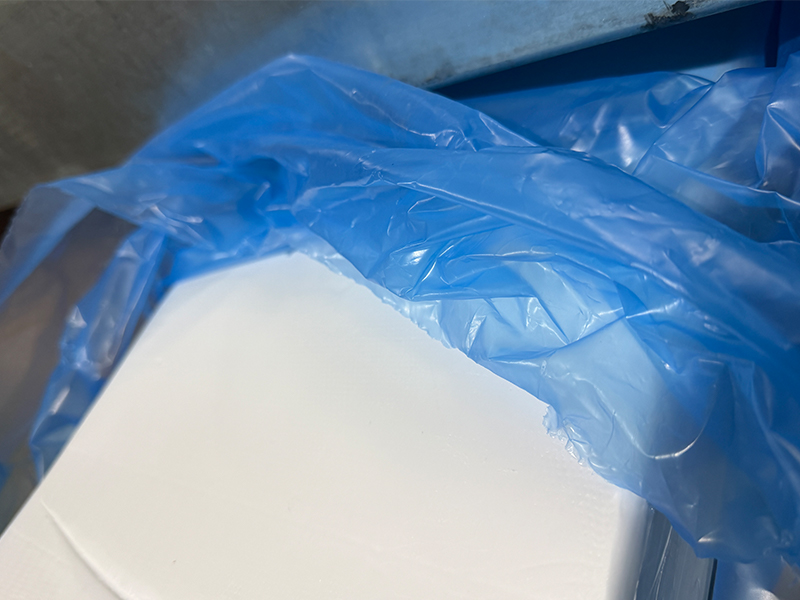
Silicone rubber compound is a synthetic elastomer built around a backbone of alternating silicon and oxygen atoms, with organic side groups attached to the silicon. This architecture gives the material a combination of properties that organic rubbers, which rely on carbon-based chains, rarely match. The word compound refers to the ready-to-process mixture: the base polymer is blended with reinforcing fillers, pigments, processing aids and a curing agent before it is shaped and vulcanized into a finished part.
Although every manufacturer adjusts its formulation, most products contain four main groups of ingredients:
The balance among these ingredients is what separates a soft medical grade from a firm industrial grade, even when both are sold as silicone rubber compound.
Organic rubbers such as natural rubber, nitrile and EPDM each have clear strengths, but their carbon backbones tend to degrade faster when exposed to sustained heat, ozone and ultraviolet light. Silicone rubber compound remains stable across a much wider temperature window and ages more slowly outdoors. The trade-off is that it usually offers lower tear strength and abrasion resistance than many organic elastomers, so it is not automatically the best choice for every job.
| Characteristic | Silicone Rubber Compound | Typical Organic Rubber |
|---|---|---|
| High temperature stability | Excellent | Moderate |
| Low temperature flexibility | Excellent | Limited in many grades |
| Ozone and UV resistance | Excellent | Varies widely |
| Tear strength | Moderate | Often higher |
| Abrasion resistance | Lower | Often higher |
| Oil resistance | Limited | Good in certain grades |
In practical terms, silicone rubber compound is the stronger choice when thermal and environmental stability matter more than abrasion resistance.
The silicon-oxygen backbone is far more resistant to thermal breakdown than carbon chains. As a result, many grades keep their mechanical characteristics across a range from roughly -60 to 250 degrees Celsius, and specialty formulas can tolerate short excursions beyond that. For engineers, this means fewer design compromises when a part must survive a cold start and then a hot running environment without changing its sealing force dramatically.
Silicone rubber compound maintains high flexibility under extreme conditions and does not become brittle in cold storage the way many organic elastomers do. Its low glass transition temperature is a key reason for this behavior. In real projects, a gasket that stays pliable at low temperatures is less likely to crack during installation, and it continues to recover its shape after repeated compression.
The material resists water, ozone, ultraviolet radiation and a broad set of chemicals that would attack ordinary rubber. This makes it suitable for outdoor enclosures, lighting components and equipment exposed to cleaning agents. It is worth noting, however, that resistance to fuels and aggressive solvents varies by grade, so chemical compatibility should always be confirmed against the specific formulation rather than assumed.
Standard silicone rubber compound is non-conductive and maintains its dielectric strength even after exposure to moisture and temperature cycling. These qualities make it a dependable insulator for cable accessories, high-voltage bushings and electronic housings. In one documented field case, an outdoor lighting manufacturer replaced a standard gasket with a weather-resistant grade and reported noticeably fewer insulation-related service calls during the first year of exposure.
Because the material resists oxidation and aging, it can serve for extended periods in demanding industrial settings without the rapid hardening or surface cracking common in lesser elastomers. Long service life reduces replacement frequency, lowers maintenance costs and improves the reliability of the equipment around it.
Selecting a type is the first practical decision. Each category is tuned for a particular balance of heat resistance, hygiene, fire behavior and cost.
| Type | Core Strength | Typical Use |
|---|---|---|
| General-purpose | Flexibility at moderate cost | Household and light industrial parts |
| High-temperature | Heat resistance under sustained load | Automotive and aerospace components |
| Medical-grade | Biocompatibility and hygiene | Tubing, seals and implant-related parts |
| Flame-retardant | Fire spread control | Electrical equipment and safety products |
General-purpose grades provide good flexibility and moderate heat resistance at a competitive cost. They suit conventional industrial parts and everyday household items where performance requirements are reasonable and no specialized certification is needed.
A high-temperature silicone rubber compound is formulated to resist heat-driven hardening and compression set during prolonged exposure. It is widely specified for engine-adjacent gaskets, turbocharger hoses and high-load accessories where temperatures stay elevated for long periods. Choosing this grade over a general-purpose one often extends maintenance intervals considerably.
Medical-grade formulations are designed with biocompatibility, low extractables and hygienic processing in mind. They are used in tubing, sealing components and certain implant-related parts that come into direct contact with human tissue. Suppliers typically provide documentation covering biological testing, so that device manufacturers can support their regulatory submissions.
Flame-retardant grades incorporate additives that slow ignition and limit flame spread. They are commonly used in cable accessories, enclosures and safety-critical electrical equipment. Because flame behavior depends on the test standard applied, the rating required by your application should be specified early in the selection process.
The versatility of this material is best understood by looking at how it fits into different industries. The diagram below summarizes the four most common application areas.
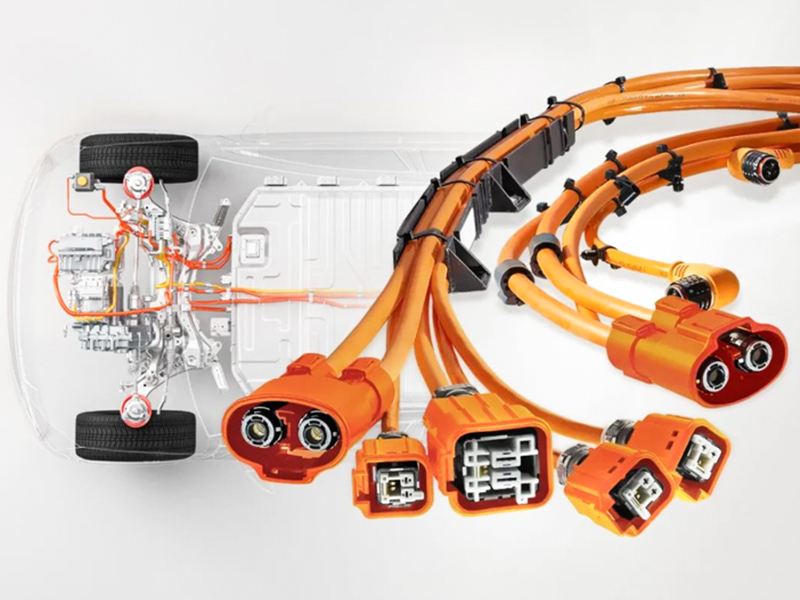
Engine gaskets, seals and hoses are among the most common automotive uses. The material keeps its sealing force across hot engine cycles and cold starts, which helps limit fluid leakage and reduces wear on mating surfaces. Vehicle designers also value its resistance to ozone and weathering in exposed underbody and door-seal positions.
Healthcare applications depend on non-toxic, biocompatible and hygienic materials that tolerate repeated sterilization. Silicone rubber compound is used in flexible tubing, sealing parts and certain implant components, where its softness and stability help reduce patient discomfort and maintain consistent function.
In electronics, the material serves as insulation, a keypad material and a gasket that blocks moisture and dust. Its non-conductive behavior helps prevent leakage currents, while its elasticity allows tight sealing around connectors and enclosures that must survive vibration and temperature shifts.
Food-safe and heat-tolerant grades appear in kitchenware such as bakeware, spatulas and lids, as well as in baby products and sports equipment. Here, the combination of safe contact, non-slip texture and resistance to repeated washing and heating is the decisive factor.
Selection works best when it begins with the operating environment rather than with a product catalog. The flowchart below shows a practical sequence that many procurement and engineering teams follow.
Begin by evaluating the flexibility, hardness, tensile strength and tear resistance that the part requires. A seal that is compressed frequently needs strong recovery and low compression set, while a soft cushion may prioritize comfort and low hardness.
Map the highest and lowest temperatures the part will see, including short peaks during startup or sterilization. A general-purpose grade may be adequate for a stable indoor range, while a high-temperature grade is the safer choice for sustained heat.
For outdoor, corrosive or ultraviolet-exposed installations, prioritize grades with proven weather and chemical resistance. Always check compatibility with the actual fluids and cleaning agents the part will contact, because resistance varies considerably between formulations.
Medical, food-contact and electrical applications must meet defined regulatory and safety requirements. Ask suppliers for documentation that matches your standards before you commit to a design, since retrofitting compliance later is costly.
| Checkpoint | Question to Ask | Why It Matters |
|---|---|---|
| Environment | What is the continuous and peak temperature? | Prevents premature hardening |
| Contact | Will the part touch food, skin or fluids? | Determines required grade |
| Load | How often is it compressed or flexed? | Affects compression set needs |
| Compliance | Which standards apply to the end product? | Avoids certification delays |
| Volume | What batch size is expected? | Influences tooling and cost |
Silicone rubber compound is a versatile elastomer whose temperature resistance, insulation properties and aging behavior make it suitable for a wide range of industrial and consumer uses. Different types correspond to different performance profiles, so accurate matching between the material and the operating conditions is the most important factor in long-term success.
The best results come from defining the environment first, then choosing the grade that meets those limits with a sensible margin.
If your project requires a specific hardness, temperature range or compliance standard, you can share your technical parameters and expected order volume. This allows a supplier to recommend a suitable grade and provide a specification sheet, a sample plan and a quotation. Request a custom silicone rubber compound review to start the discussion.
It is used in automotive seals, medical tubing, electrical insulation, food-safe kitchenware and industrial high-temperature components, because it combines heat resistance, flexibility and long service life.
Its main properties include stable performance across a wide temperature range, good flexibility in cold conditions, resistance to ozone and ultraviolet light, reliable electrical insulation and long durability.
The base polymer is mixed with reinforcing fillers, pigments, additives and a curing agent under controlled conditions. The mixture is then shaped and vulcanized so that the finished part has consistent properties.
General-purpose grades suit conventional room-temperature and moderate-heat applications, while high-temperature grades are formulated to resist sustained heat and are better suited to demanding automotive and aerospace conditions.

What to stay up to date?
Contact us via the email address below.
No. 16, Industrial Concentration Zone, Daibu Town, Liyang City, China
Copyright 2026 Liyang Tiansheng Insulating Materials Co., Ltd. All Rights Reserved.
Custom Insulation Material For Cable Industry Suppliers

