

 English
 русский
 Español

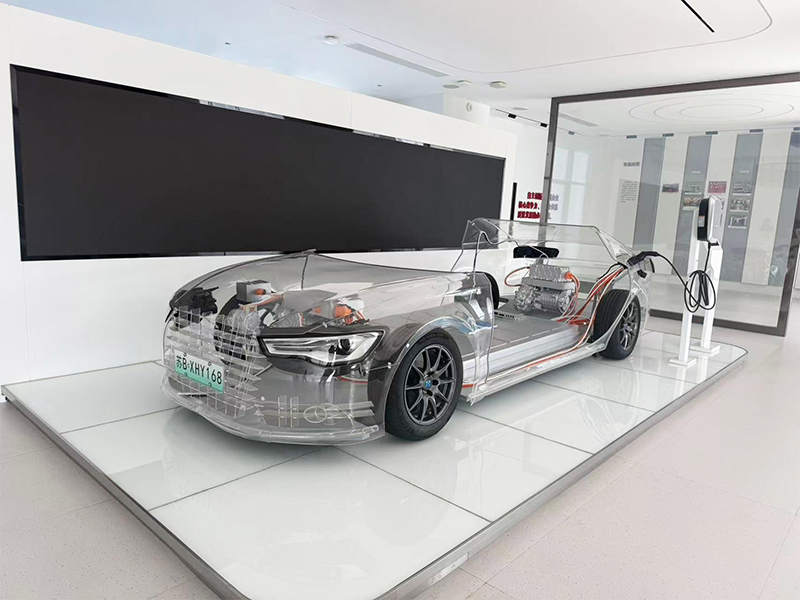
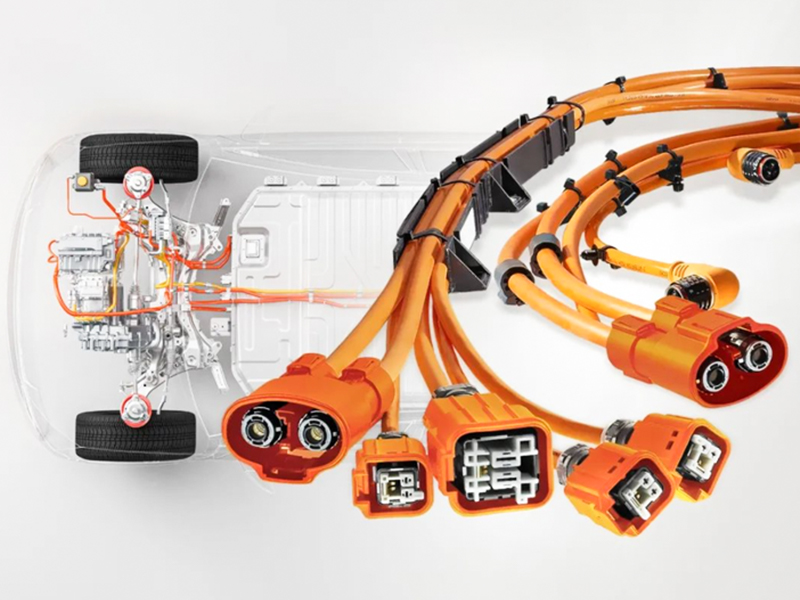
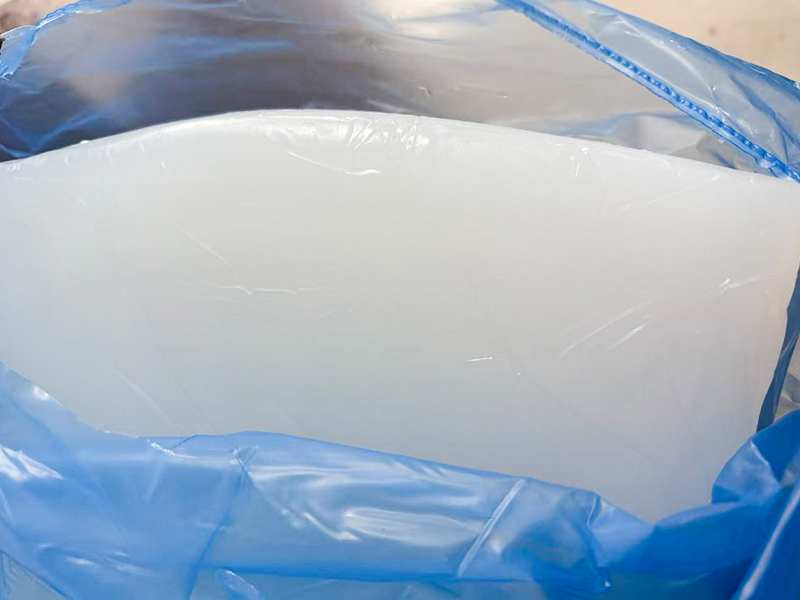
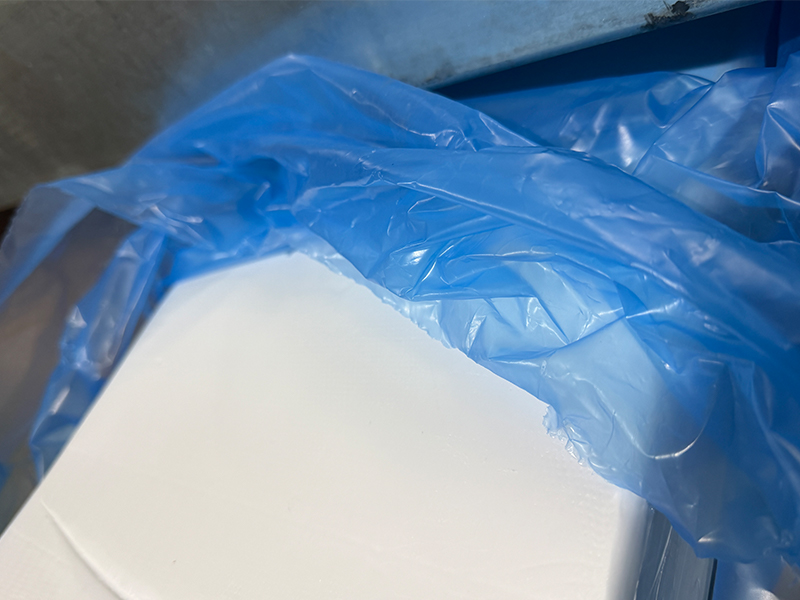
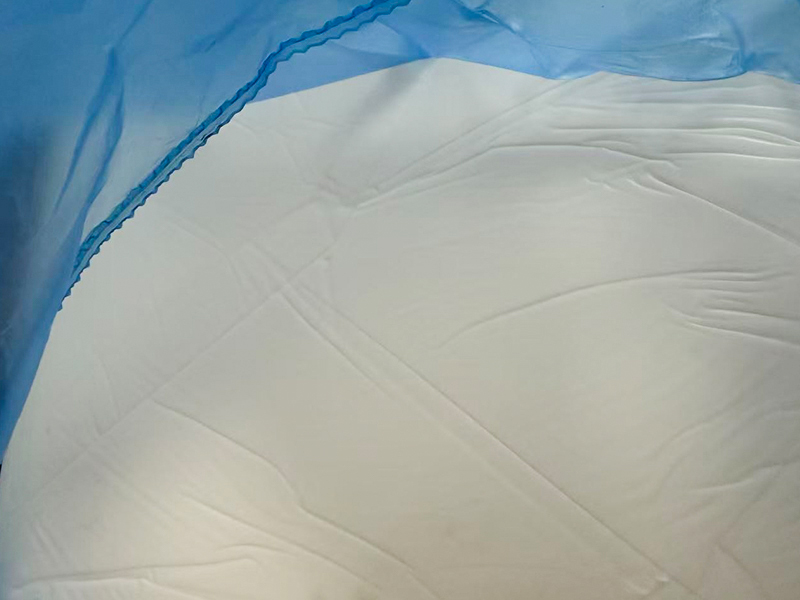
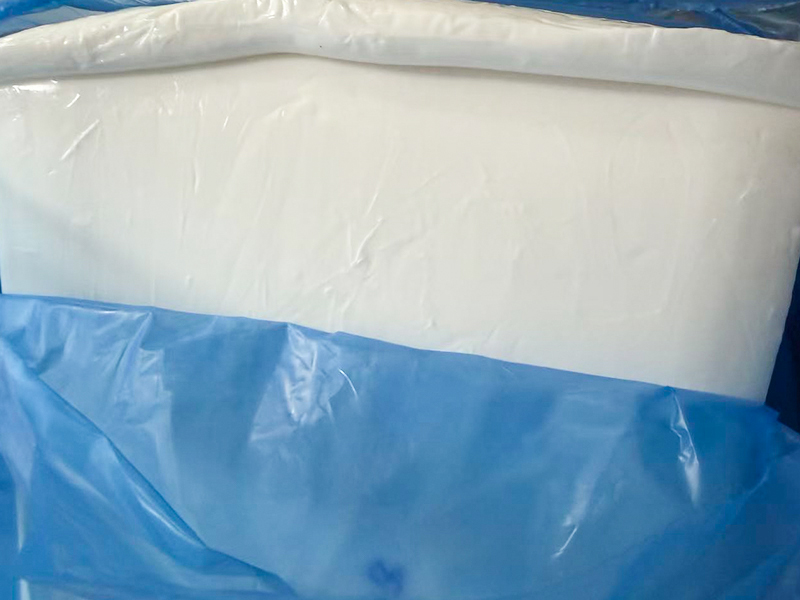
Automotive High Voltage Cable Silicone Rubber
Liyang Tiansheng Insulating Materials Co., Ltd. is a professional manufacturer of silicone rubber high-voltage cables engineered for new energy vehicles (NEVs), including battery electric vehicles (BEVs) and plug-in hybrid electric vehicles (PHEVs). Our HV cables are designed for critical power transmission links between battery packs, motor controllers, on-board chargers (OBC), and DC/DC converters.
Constructed with premium-grade silicone rubber insulation and jacketing, our cables deliver exceptional performance across an operating temperature range of -60°C to +200°C — significantly outperforming conventional PVC and XLPE alternatives. This makes them ideally suited for the demanding thermal environments found in EV powertrain compartments and underbody applications.
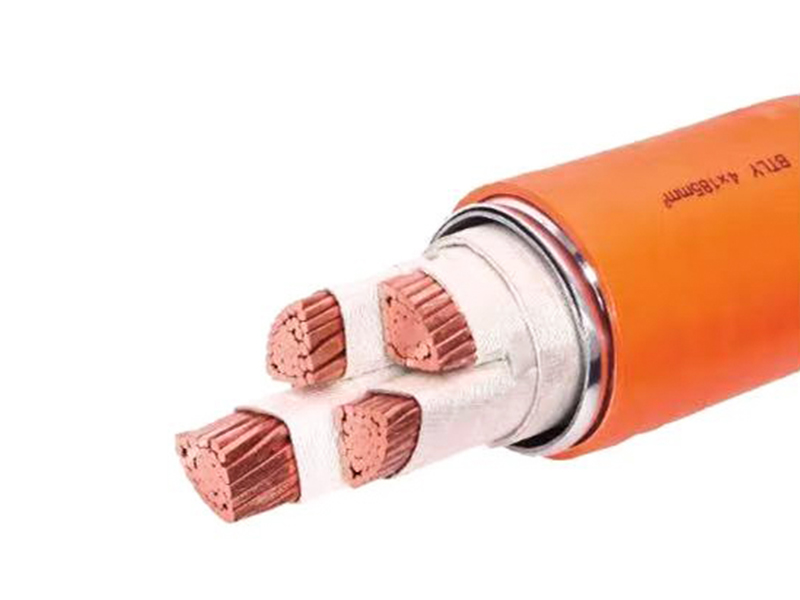
Each cable features a tinned copper braid shield layer for effective electromagnetic interference (EMI) suppression, ensuring stable operation of onboard electrical systems. The silicone construction provides outstanding flexibility and bend fatigue resistance, enabling easy routing in complex wiring harness configurations with minimal bend radius requirements. The material also offers excellent resistance to oils, coolants, and chemical exposure, supporting full vehicle lifecycle reliability.
All products comply with the UL94 V-0 flame retardancy standard and are fully halogen-free, meeting the environmental and safety requirements of global automotive markets.
With years of expertise in insulating materials, Liyang Tiansheng offers full customization of conductor cross-sections, cable lengths, and shielding configurations to meet the specific requirements of OEMs and Tier 1 automotive suppliers worldwide.
Message Feedback
About Us
Liyang Tiansheng Insulating Materials Co., Ltd.
Liyang Tiansheng Insulating Materials Co., Ltd. is China Wholesale EMI shielded Silicone Rubber Automotive Cable Manufacturers and Automotive High Voltage Cable Silicone Rubber Suppliers Company, founded in 2013. It is a professional service provider dedicated to application solutions for flame‑retardant and fire‑resistant insulation materials, as well as thermal runaway solutions.
Boasting a strong technical team and more than 40 professional employees, Liyang Tiansheng produces technically mature products at an advanced industry level. The company serves the top ten cable manufacturers in China, including Jiangsu Shangshang, New Far East, and Hengtong Group.
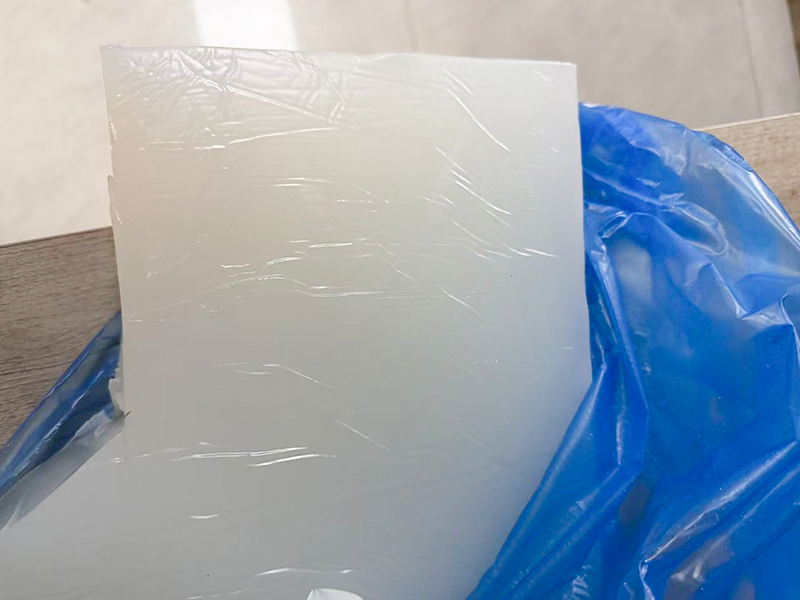
Liyang Tiansheng focuses on promoting new‑type fire‑resistant silicone materials and silicone applications for aerospace, nuclear power, new energy vehicles, and related components. Its core business covers various special silicone rubber products for cable manufacturers. After years of steady development, the company now has an annual production capacity of 5,000 tons of various special silicone rubber and fire‑resistant insulation products, with annual sales exceeding 50 million yuan.
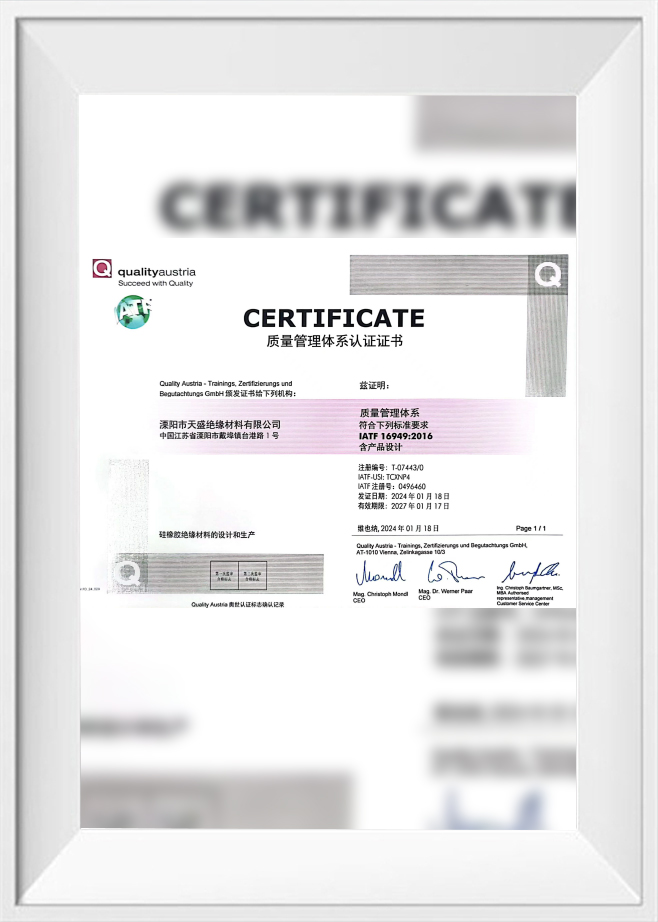
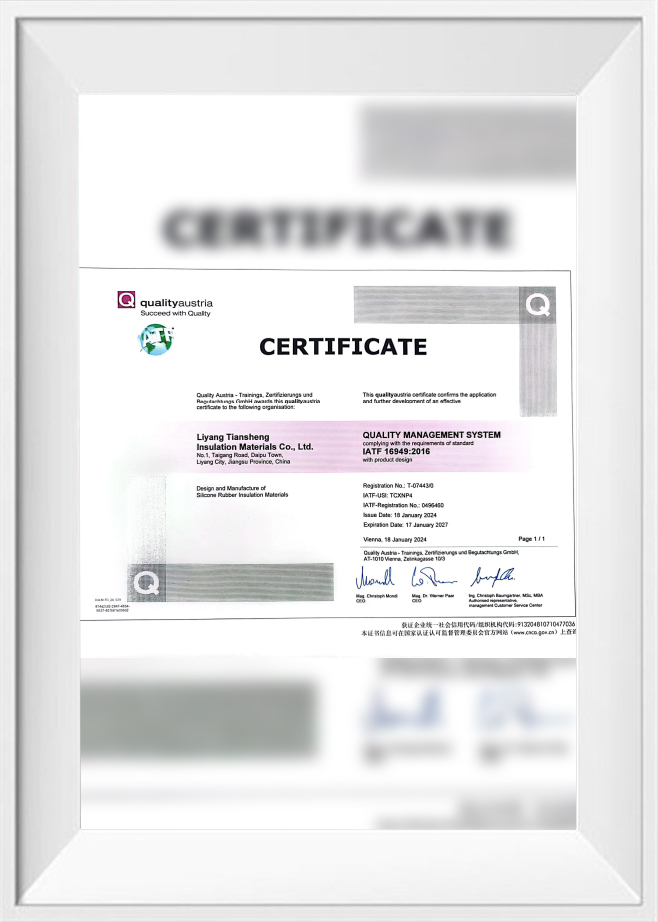
The company mainly uses high‑quality imported raw materials and specialized products from listed companies as its key production materials. Production processes are managed in accordance with the IATF 16949 new energy management system. Supported by extensive practical experience, a rigorous working attitude, and a complete testing system, the company ensures the quality of its products and services. Its professional and technical capabilities remain at the leading level among domestic counterparts. We offer Silicone Rubber HV Cable for NEV Battery Electric Vehicles for sale.
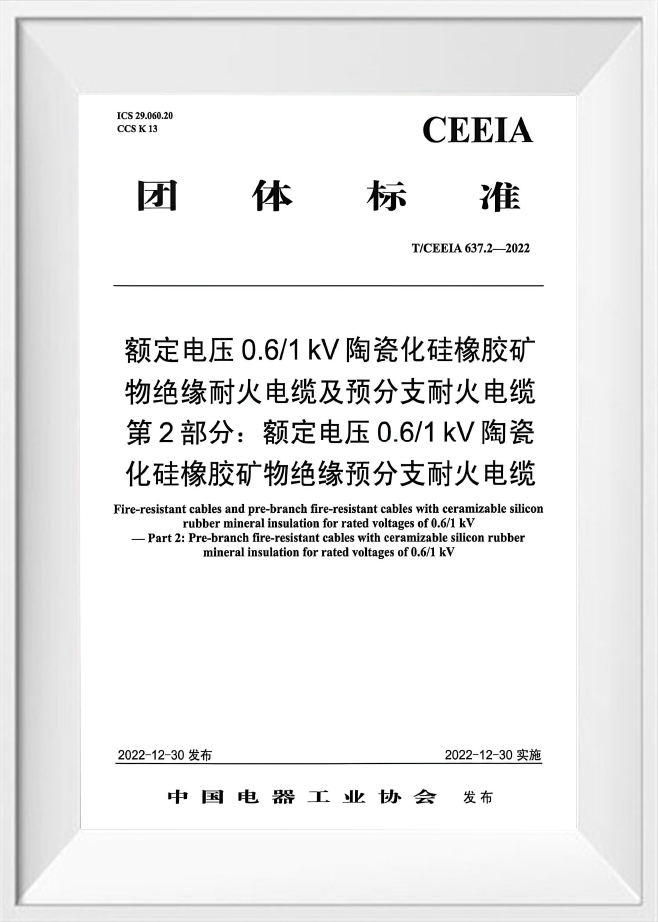
Certificate Of Honor
News
-
Introduction: The Critical Role of Fumed Silicone Rubber in Advanced Industries In automotive turbocharging systems, medical devices, and aerospace sealing app...
READ MORE -
Selecting a reliable silicone rubber supplier is one of the most critical decisions a manufacturer can make. The quality of your finished products depends dire...
READ MORE -
Understanding Silicone Rubber Products and Their Market Presence Silicone rubber has become indispensable across countless industries due to its exceptional t...
READ MORE -
Understanding Silicone Rubber Gaskets in Industrial Applications Silicone rubber gaskets have become essential components in modern industrial sealing solution...
READ MORE -
What Happens Inside the Insulation When Flame Makes Contact Most cable insulation fails in fire for a simple reason: the polymer decomposes, chars, and cracks ...
READ MORE
Automotive High Voltage Cable Silicone Rubber Industry knowledge
What is automotive high voltage cable silicone rubber?
Automotive high voltage cable silicone rubber is a specialized elastomeric material engineered for the demanding power transmission requirements of new energy vehicles (NEVs), including battery electric vehicles (BEVs) and plug-in hybrid electric vehicles (PHEVs). This material serves as the critical insulation and jacketing layer for high-voltage cables that connect battery packs, motor controllers, on-board chargers (OBC), and DC/DC converters. Constructed with premium-grade silicone rubber, automotive high voltage cable silicone rubber delivers exceptional performance across an operating temperature range of -60°C to +200°C — significantly outperforming conventional PVC and XLPE alternatives. This makes it ideally suited for the demanding thermal environments found in EV powertrain compartments and underbody applications. silicone rubber HV cable for NEV battery electric vehicles must also provide robust electromagnetic interference (EMI) suppression to ensure stable operation of onboard electrical systems.
1. Material Composition and Performance Fundamentals
The foundation of silicone rubber HV cable for NEV battery electric vehicles is a high-performance silicone elastomer — typically a high-consistency rubber (HCR) formulated for extrusion. The silicone polymer provides exceptional thermal stability and dielectric properties, maintaining insulation integrity across a wide temperature range. Compared to conventional PVC or XLPE, automotive high voltage cable silicone rubber offers superior flexibility and bend fatigue resistance, enabling easy routing in complex wiring harness configurations with minimal bend radius requirements. Liyang Tiansheng Insulating Materials Co., Ltd. has developed particular expertise in this field, serving the top ten cable manufacturers in China including Jiangsu Shangshang, New Far East, and Hengtong Group. The company's IATF 16949-certified production processes ensure consistent quality across its 5,000-ton annual production capacity.
The silicone construction also provides outstanding resistance to oils, coolants, and chemical exposure, supporting full vehicle lifecycle reliability. In the event of fire, the material complies with the UL94 V-0 flame retardancy standard and is fully halogen-free, meeting the environmental and safety requirements of global automotive markets. The company's strong technical team of more than 40 professionals has optimized these formulations through extensive practical experience and a rigorous testing system.
Key Performance Characteristics
- Temperature Range: -60°C to +200°C continuous operation, significantly exceeding conventional alternatives
- Voltage Rating: Designed for AC 600V/DC 900V to AC 1000V/DC 1500V systems
- Flame Retardance: UL94 V-0 rating, halogen-free, low-smoke characteristics
- Chemical Resistance: Excellent resistance to oils, coolants, and automotive fluids
- Flexibility: Outstanding bend fatigue resistance with minimum bend radius as low as 4×OD
2. Product Classifications and Applications
Automotive high voltage cable silicone rubber is available in several specialized formulations, each optimized for specific applications within the EV powertrain system. The following three classifications represent the most commercially significant variants.
2.1 Shielded Power Transmission Cable
Definition and Positioning: Shielded power transmission cable represents the core product category for emi shielded silicone rubber automotive cable applications. This grade features a tinned copper braid shield layer for effective electromagnetic interference (EMI) suppression, ensuring stable operation of onboard electrical systems. It is designed for critical power transmission links between battery packs and motor controllers.
Core Functionality and Technical Characteristics: This silicone rubber HV cable for NEV battery electric vehicles grade provides exceptional dielectric strength and EMI suppression. The tinned copper braid shield offers high coverage (typically ≥85%) to minimize corona discharge and electromagnetic interference. The silicone insulation delivers dielectric strength of 24 kV/mm or higher, maintaining electrical integrity under high-voltage stress. The material's outstanding flexibility enables easy routing in complex wiring harness configurations with minimal bend radius requirements, supporting the compact packaging demands of modern EV architectures. The construction ensures reliable power transmission in the demanding thermal environments found in EV powertrain compartments.
Typical Applications: This grade is primarily used for high-voltage interconnects between battery packs, motor controllers, on-board chargers (OBC), and power distribution units (PDUs) in BEVs and PHEVs. Liyang Tiansheng offers full customization of conductor cross-sections, cable lengths, and shielding configurations to meet specific OEM requirements.
Differentiation and Company Capabilities: The combination of EMI shielding and high-temperature performance distinguishes this product. The company's rigorous working attitude and complete testing system ensure consistent quality across all production batches.
2.2 High-Flexibility Charging Cable
Definition and Positioning: High-flexibility charging cable is a specialized formulation of automotive high voltage cable silicone rubber optimized for the unique demands of EV charging infrastructure. Unlike fixed vehicle wiring, charging cables experience frequent handling, mechanical stress, and exposure to varied environmental conditions, requiring enhanced flexibility and mechanical durability alongside electrical performance. This emi shielded silicone rubber automotive cable grade maintains robust EMI suppression while offering superior flex fatigue resistance.
Core Functionality and Technical Characteristics: This silicone rubber HV cable for NEV battery electric vehicles grade maintains the essential electrical properties—high dielectric strength and EMI suppression—while offering enhanced flexibility and abrasion resistance for frequent handling applications. The silicone formulation provides excellent resistance to oils, coolants, and chemical exposure, supporting full vehicle lifecycle reliability. The material's UL94 V-0 flame retardancy and halogen-free composition ensure safety during charging operations.
Typical Applications: This grade is used for charging pile cables and portable EV charging cables where frequent handling and environmental exposure are primary considerations. The company serves leading cable manufacturers with such products, focusing on promoting new-type fire-resistant silicone materials for new energy vehicle applications.
Differentiation and Company Capabilities: The enhanced flexibility and mechanical durability distinguish this product. The company's annual sales exceeding 50 million yuan reflect market recognition of such high-performance solutions.
2.3 High-Temperature Powertrain Cable
Definition and Positioning: High-temperature powertrain cable represents the most thermally demanding category of automotive high voltage cable silicone rubber, designed for the extreme heat environments found adjacent to motor controllers, inverters, and other high-power components. This grade maintains its electrical and mechanical properties under sustained elevated temperatures where conventional insulation materials would fail. It provides emi shielded silicone rubber automotive cable protection for sensitive control systems.
Core Functionality and Technical Characteristics: This silicone rubber HV cable for NEV battery electric vehicles grade offers continuous service capability up to 200°C, significantly outperforming conventional alternatives. The silicone construction provides outstanding resistance to thermal aging, maintaining dielectric strength and flexibility even after extended high-temperature exposure. The material's UL94 V-0 flame retardancy and halogen-free composition ensure fire safety, while the tinned copper braid shield provides effective EMI suppression. The formulation also offers excellent resistance to oils, coolants, and chemical exposure, supporting the harsh under-hood environment. The company's professional and technical capabilities, supported by extensive practical experience, enable the production of these high-performance compounds.
Typical Applications: This grade is ideal for cables running in close proximity to motor controllers, inverters, and other high-heat powertrain components. It is also suitable for applications requiring long-term thermal aging resistance in demanding industrial environments.
Differentiation and Company Capabilities: The exceptional thermal stability combined with EMI shielding distinguishes this product. Liyang Tiansheng uses high-quality imported raw materials and specialized products as key production materials, with production processes managed under the IATF 16949 new energy management system.
Comparative Overview: Automotive High Voltage Silicone Cable Grades
| Property | Shielded Power Transmission | High-Flexibility Charging | High-Temperature Powertrain |
| Voltage Rating | AC 1000V / DC 1500V | AC 600V / DC 900V | AC 1000V / DC 1500V |
| Temperature Range | -60°C to +200°C | -40°C to +180°C | -60°C to +200°C |
| EMI Shielding | Tinned copper braid | Tinned copper braid | Tinned copper braid |
| Flame Retardance | UL94 V-0 | UL94 V-0 | UL94 V-0 |
| Key Application | Battery to motor controller | EV charging infrastructure | High-heat powertrain |
3. Quality Assurance and Industry Standards
Automotive high voltage cable silicone rubber must meet rigorous quality standards to ensure safety and reliability in EV applications. Liyang Tiansheng operates under the IATF 16949 new energy management system, maintaining a complete testing system to verify temperature performance, dielectric strength, flame retardance, and chemical resistance. All products comply with relevant standards including GB/T 25085, ISO 6722, and industry-specific EV cable requirements. The company's rigorous working attitude and complete testing system ensure product quality and performance for these critical safety applications.
- Temperature Cycling Testing: Verification of performance from -60°C to +200°C over 3,000 hours
- Dielectric Strength Verification: High-voltage withstand testing per industry standards
- Flame Retardance Testing: UL94 V-0 certification and self-extinguishing verification
- Chemical Resistance Testing: Verification of resistance to oils, coolants, and automotive fluids
- Flex Fatigue Testing: Assessment of bend radius and flex cycle performance
4. Frequently Asked Questions
Q1: What temperature range can automotive high voltage cable silicone rubber withstand?
Automotive high voltage cable silicone rubber delivers exceptional performance from -60°C to +200°C, significantly outperforming conventional PVC and XLPE alternatives. This makes it ideally suited for the demanding thermal environments found in EV powertrain compartments.
Q2: Why is EMI shielding important for EV high-voltage cables?
Emi shielded silicone rubber automotive cable features a tinned copper braid shield layer that suppresses electromagnetic interference, ensuring stable operation of onboard electrical systems. This is critical for preventing interference with sensitive vehicle electronics.
Q3: What quality standards does Liyang Tiansheng follow for its automotive cable products?
Liyang Tiansheng Insulating Materials Co., Ltd. operates under the IATF 16949 new energy management system, using high-quality imported raw materials and maintaining a complete testing system. The company's professional and technical capabilities remain at the leading level among domestic counterparts, with annual production capacity of 5,000 tons.
Q4: Can automotive high voltage cable silicone rubber be customized for specific OEM requirements?
Yes. Silicone rubber HV cable for NEV battery electric vehicles can be fully customized for conductor cross-sections, cable lengths, and shielding configurations to meet the specific requirements of OEMs and Tier 1 automotive suppliers worldwide.

Subscribe to Newsletters
What to stay up to date?
Contact us via the email address below.
Head office
No. 16, Industrial Concentration Zone, Daibu Town, Liyang City, China
Scan code
Email
lyts@lyts2023.com
Phone
+86-17625747685
Tel
+86-519-87902211
Copyright 2026 Liyang Tiansheng Insulating Materials Co., Ltd. All Rights Reserved.
Wholesale Silicone Rubber HV Cable for NEV Battery Electric Vehicles Suppliers

Are You Interested?
Are You Interested?
