

 English
 русский
 Español
Are You Interested?
Are You Interested?


Content
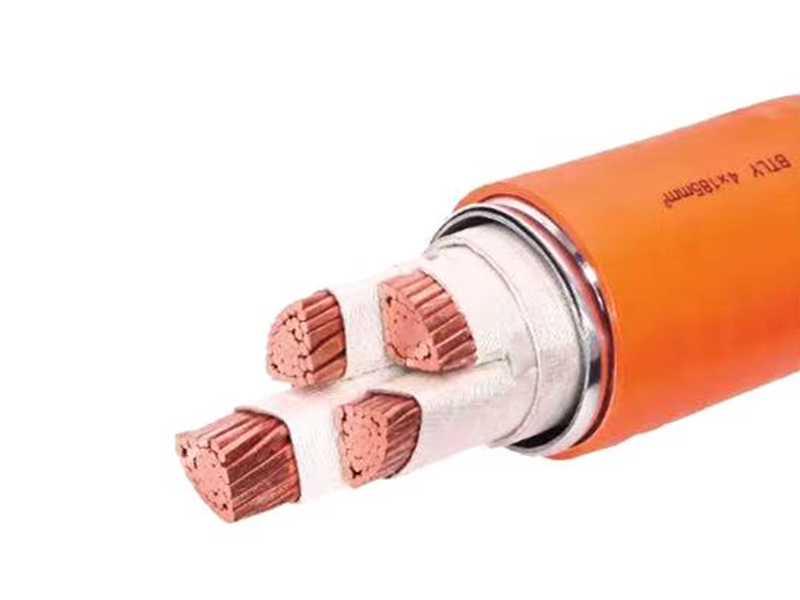
In the modern era of electrical infrastructure, cable safety has become non-negotiable. Whether for high-rise buildings, metro systems, electric vehicles, or marine applications, the materials protecting your cables determine whether they perform under extreme conditions or fail when lives depend on them.
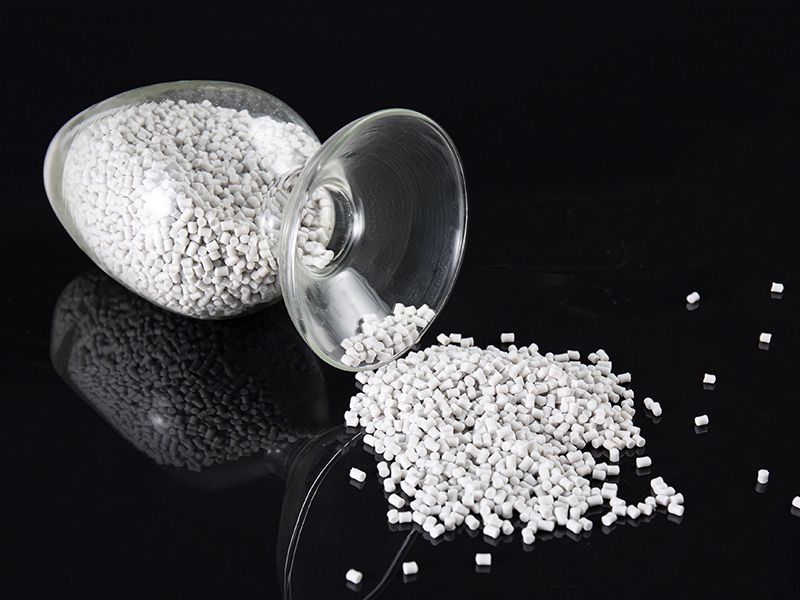
A halogen free TPO cable compound factory specializing in ceramized compounds addresses a critical gap in the market: combining the cost efficiency of thermoplastic materials with the fire-protection performance traditionally reserved for elastomers. Unlike generic halogen-free TPO suppliers, our factory produces ceramifiable TPO granules engineered to form a protective ceramic layer above 600 degrees Celsius, maintaining circuit integrity when ordinary cable jackets turn to ash.
This article explores why ceramized halogen-free TPO represents a paradigm shift for cable manufacturers and how selecting the right material supplier directly impacts your product competitiveness and safety certifications.
Standard halogen-free TPO compounds, while environmentally compliant, exhibit a critical limitation: polymer degradation accelerates dramatically above 200-300 degrees Celsius. In fire scenarios, this means cable insulation fails precisely when circuit integrity becomes essential.
Our ceramized TPO technology transforms this vulnerability into an advantage. When exposed to temperatures exceeding 600 degrees Celsius, the compound undergoes a controlled transformation: inorganic fillers migrate to the surface and fuse into a rigid ceramic matrix. This ceramic shell:
This capability directly satisfies stringent standards such as IEC 60331-23 (circuit integrity under fire), a requirement that cannot be met by conventional TPO compounds.
Halogen-free formulations eliminate toxic hydrogen halide and corrosive halogen compounds during combustion. Our factory ensures full compliance with:
For infrastructure in underground metro systems or enclosed buildings, low-smoke properties prevent visibility loss that hampers emergency response. Our materials generate minimal smoke density while maintaining structural integrity.
Operating as an integrated manufacturing facility since 2013, we eliminate the margin layers typical of trading company models. Our annual production capacity reaches 5,000 tons of specialty silicone rubber and fire-resistant insulation products, supported by a team of more than 40 professional employees. This scale enables:
Our factory serves the top ten cable manufacturers in China, including Jiangsu Shangshang, New Far East, and Hengtong Group, validating our quality standards and technical capability for demanding applications.
The following table compares our ceramized TPO formulation against industry benchmarks for halogen-free cable materials. Typical values are shown; actual data is subject to batch test reports.
| Property | Unit | Ceramized TPO | Reference Standard |
|---|---|---|---|
| Density | g/cm3 | 1.56-1.76 | ISO 1183 |
| Tensile Strength (23°C) | MPa | ≥5 | ISO 527-1 |
| Elongation at Break | % | ≥70 | ISO 527-1 |
| Oxygen Index (LOI) | % | ≥34 | ISO 4589-2 |
| Ceramic Formation Temp. | °C | ≥600 | IEC 60331-23 |
| Processing Temperature | °C | 110-170 | — |
Our ceramized TPO compound processes on standard cable extrusion equipment without requiring specialized modifications:
This compatibility eliminates retrofit costs and production downtime, allowing seamless integration into existing cable manufacturing workflows.
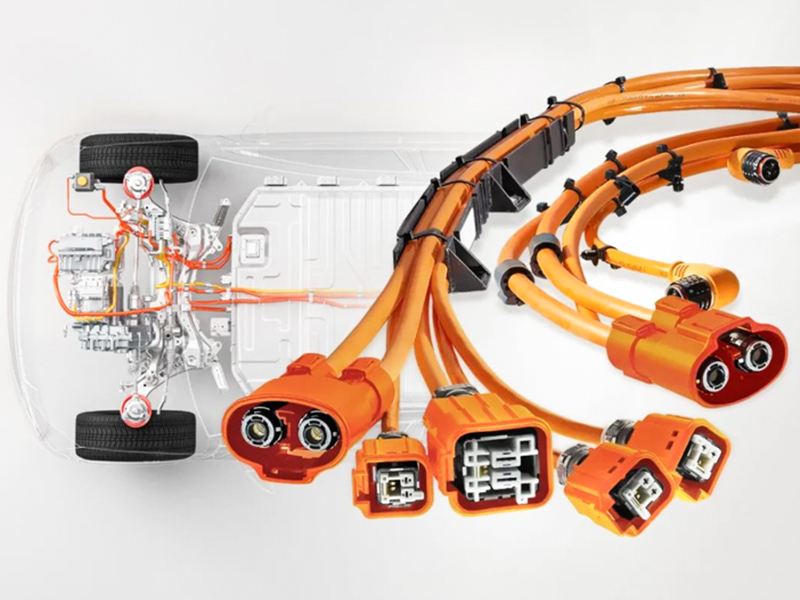
The electric vehicle industry demands exceptional thermal resilience. High-voltage battery terminals and inverter connectors operate at sustained temperatures up to 100-120 degrees Celsius during heavy discharge cycles. In collision or short-circuit scenarios, cable jackets must survive transient spikes approaching 600-800 degrees Celsius without rupturing.
Ceramized halogen-free TPO satisfies the dual requirement of sustained heat resistance and extreme-temperature protection. The ceramic layer formation prevents internal insulation exposure, maintaining safety margins even under the most severe fault conditions. This capability supports manufacturers in meeting emerging EV safety standards and gaining insurance certification for vehicle warranty coverage.
Building codes in developed economies mandate circuit integrity for emergency lighting, fire detection, and evacuation systems. Unlike residential wiring that can tolerate brief disconnection, emergency systems must maintain power delivery throughout a fire event.
Our ceramized TPO compound directly satisfies performance requirements in standards such as:
The low-smoke characteristic prevents toxic gas accumulation in stairwells and mechanical spaces, directly supporting occupant safety during evacuation procedures.
Maritime environments present compounded challenges: salt-water corrosion, high ambient humidity, and extreme fire risk in enclosed engine compartments. Halogen-free compounds eliminate halogen acid formation, which corrodes copper connectors and metal structures when exposed to seawater spray.
Our formulation specifically addresses IEEE 1580 and IEC 61892 requirements for subsea cables and shipboard power distribution. The ceramic protection layer maintains insulation integrity even in high-temperature diesel engine spaces, where conventional polymers fail catastrophically.
Metro and commuter rail systems operate through underground tunnels where fire propagation and smoke ventilation present acute hazards. Power cables running through confined spaces must combine low-smoke emission with sustained circuit integrity.
Applications include traction power cables, signaling circuits, and lighting distribution. The ceramized TPO specification ensures compliance with EN 50200 and UIC 564 standards while maintaining compatibility with existing track-side infrastructure.
Our factory integrates formulation design with rigorous quality control to ensure consistent product performance:
Our production processes are managed in accordance with the IATF 16949 new energy management system, ensuring that every batch conforms to automotive-grade manufacturing controls. This encompasses:
Different cable applications demand different material profiles. The following comparison helps engineers select the optimal compound for their specific needs:
| Criterion | Ceramized TPO | Standard Halogen-Free TPO | Halogen-Free Silicone |
|---|---|---|---|
| Base Polymer Type | Thermoplastic polyolefin | Thermoplastic polyolefin | Thermoset silicone elastomer |
| Processing Method | Conventional thermoplastic extrusion | Conventional thermoplastic extrusion | Extrusion with thermal curing |
| Ceramification Temperature | Typically ≥600°C | N/A | ≥350°C (flameless) / ≥600°C (flame) |
| Temperature Range (Normal) | Limited by TPO matrix | Limited by TPO matrix | -70°C to 200°C |
| Halogen-Free | Yes | Yes | Yes |
| Key Advantage | Processing efficiency, cost-effectiveness | Environmental compliance | Superior flexibility, wider temperature range |
For applications requiring circuit integrity without premium-material costs, ceramized halogen-free TPO represents an optimal balance of performance and economic efficiency.
Since establishment in 2013, Liyang Tiansheng Insulating Materials Co., Ltd. has built a reputation for technical innovation in specialty silicone rubber and fire-resistant insulation materials. Our facility in Liyang, Jiangsu province, combines research capabilities with full-scale production to serve cable manufacturers across China and internationally.
Our factory serves the top ten cable manufacturers in China, including Jiangsu Shangshang, New Far East, and Hengtong Group, validating our technical standards and reliability. We maintain long-term supply relationships based on consistent quality, responsive technical support, and competitive pricing.
Customer feedback consistently emphasizes the reliability of our formulations in demanding applications, as well as our willingness to customize compounds for specific performance requirements and regional standards compliance.
Standard halogen-free TPO offers environmental compliance and good mechanical properties, but fails to maintain insulation integrity above 300-400 degrees Celsius. Ceramized TPO incorporates specialized inorganic fillers that fuse into a protective ceramic matrix when exposed to temperatures above 600 degrees Celsius. This ceramic layer maintains electrical and mechanical properties for extended periods during fire exposure, satisfying stringent circuit-integrity standards. The ceramization capability is the defining feature that distinguishes our product from commodity halogen-free TPO.
We are a fully integrated manufacturing facility, not a trading company. Liyang Tiansheng Insulating Materials Co., Ltd. was founded in 2013 and is located in Liyang, Jiangsu province. We employ more than 40 professional employees and maintain a complete testing system on-site. This integration allows us to provide factory-direct pricing, conduct rapid sample trials, and customize formulations without intermediaries. We welcome customer visits and facility audits to verify our manufacturing capabilities.
Yes. Our technical team routinely develops custom formulations to meet customer specifications for regional standards (UL, VDE, IEC), performance targets, and processing requirements. We have experience adapting ceramized TPO for applications including EV high-voltage cables, building fire-safety circuits, marine applications, and railway systems. Customization typically involves a consultation phase, lab-scale testing, and pilot batch production before full-scale supply. Lead times for custom development depend on complexity; please contact our sales team for specific timelines.
MOQ and lead time depend on whether you require a standard compound or a custom formulation. For specific requirements, please contact our sales team directly. We maintain safety stock of popular specifications to accommodate urgent requests and will provide a clear timeline based on your order details.
Our production processes are managed in accordance with the IATF 16949 new energy management system. Our ceramized TPO formulations are designed to meet or exceed the following performance standards: IEC 60331-23 (circuit integrity under fire), IEC 60754-1 and 60754-2 (halogen content and corrosivity), IEC 61034-1 and 61034-2 (smoke density), RoHS Directive 2011/65/EU, REACH chemical compliance, EN 50200 (fire performance), NFPA 262 (heat and smoke release), and IEEE 1580 (subsea cable specification). Please contact us for third-party test reports and material data sheets supporting specific claims.
Ceramized TPO is generally more cost-effective than halogen-free silicone rubber while delivering comparable circuit-integrity performance in many applications. This cost advantage reflects the thermoplastic processing model (faster cycle times) versus elastomer curing requirements. For cable manufacturers, the economic benefit also extends to extrusion speeds (typically 20-50 m/min with ceramized TPO versus 10-25 m/min with silicone), reducing production labor per meter of finished cable. For a specific cost comparison based on your application, please contact our sales team.
No. Ceramized TPO processes on standard cable extrusion equipment without modifications. Processing temperatures are conventional (110-170 degrees Celsius), screw designs are compatible with standard compression ratios, and cooling systems (water-bath or air) require no upgrades. Optional pre-drying (80-90 degrees Celsius for 2-4 hours) improves surface finish but is not mandatory. This compatibility allows cable manufacturers to integrate ceramized TPO production into existing lines, eliminating retrofit costs and production interruption.
In fire exposure above 600 degrees Celsius, the thermoplastic matrix undergoes controlled degradation while inorganic ceramic precursors simultaneously crystallize and fuse at the surface. This process, called ceramization, creates a rigid ceramic shell around the insulation core. The ceramic layer prevents oxygen diffusion into the remaining polymer, dramatically slowing further degradation. This mechanism helps maintain electrical insulation strength for extended periods during fire exposure, compared to conventional halogen-free TPO. The circuit remains protected even if the outer ceramic shell partially cracks, as the underlying polymer core is shielded from oxidation.
No. All inorganic fillers in our ceramized formulations are established materials with extensive safety history in polymeric applications. The halogen-free composition eliminates toxic hydrogen halide evolution during processing or service. Our products are designed to comply with REACH chemical inventory requirements and RoHS heavy-metal restrictions. During normal processing (extrusion at 110-170 degrees Celsius), no harmful volatiles are expected to be released. The compound generates minimal smoke when burning, reducing toxic exposure risk in fire scenarios. We provide full safety data sheets and processing guidelines to ensure safe handling.
Contact our sales team to request samples, technical documentation, or engineering consultation. We provide complimentary samples for initial evaluation, allowing you to run lab tests and processing trials before commitment. Our technical specialists are available to discuss your cable specifications, performance targets, and production parameters. We can recommend optimal formulations and provide detailed processing guidelines tailored to your equipment. For custom development projects, we offer collaborative design services supported by our technical team.
The difference between a cable that protects and a cable that fails comes down to material selection. Ceramized halogen-free TPO represents the convergence of fire-safety performance, environmental compliance, and manufacturing efficiency. Whether you manufacture safety-critical cables for EV applications, building infrastructure, marine systems, or rail transport, upgrading to ceramized TPO compounds directly strengthens your product competitiveness and regulatory compliance.
Our factory stands ready to support your transition with technical expertise, custom formulation services, and factory-direct pricing that reflects our integrated manufacturing model. No intermediaries, no compromises on quality or responsiveness.
Contact us today to discover why leading cable manufacturers trust our factory for their most demanding fire-safety applications.

What to stay up to date?
Contact us via the email address below.
No. 16, Industrial Concentration Zone, Daibu Town, Liyang City, China
Copyright 2026 Liyang Tiansheng Insulating Materials Co., Ltd. All Rights Reserved.
Custom Insulation Material For Cable Industry Suppliers

