

 English
 русский
 Español

Are You Interested?
Are You Interested?


Content
When engineers search for high-quality silicone compounds, they are typically facing production bottlenecks: inconsistent hardness between batches, premature aging in high-temperature environments, poor tear resistance causing product failures, or regulatory compliance issues. Selecting the right industrial silicone rubber compound factory is not just a procurement decision—it is a strategic investment in your product reliability and manufacturing efficiency.
Manufacturing excellence in industrial silicone rubber compounds depends on precision in three critical areas. First, the dispersion of curing agents must be absolutely uniform across every batch. When sulfur or peroxide curatives are unevenly distributed, your finished products experience yellowing, brittleness, or inconsistent cross-linking density. Second, hardness tolerance becomes a manufacturing bottleneck—if your compound fluctuates beyond ±2 Shore A from batch to batch, your molding or extrusion process requires constant parameter adjustment, slowing production cycles and increasing scrap rates. Third, the formulation of reinforcing fillers and structure control agents directly impacts your ability to achieve tight dimensional tolerances in final products.
Most purchasing teams encounter these challenges when working with suppliers who lack proper equipment infrastructure or quality monitoring systems. A supplier operating with basic open mill mixing and minimal process controls cannot guarantee the consistency that modern manufacturing demands. This is why identifying a true manufacturing partner rather than a trading intermediary is essential to your supply chain resilience.
Key Insight: Approximately 60% of injection molding and extrusion defects in silicone products trace back to compound inconsistency rather than equipment or design factors. Working with a dedicated compound manufacturer rather than a distributor directly reduces your quality rejection rate.
When assessing any silicone compound manufacturer, the first evaluation criterion should be equipment specifications. Legitimate production facilities operate with dedicated mixing infrastructure designed specifically for industrial-scale silicone compound manufacturing.
A manufacturing partner must possess in-house analytical capability to validate every production run before shipment. Essential testing includes:
Inquire about monthly production capacity and typical lead times from order to delivery. A facility with capacity between 50-200 metric tons per month demonstrates sufficient scale to handle enterprise orders while maintaining batch-level traceability. Most reputable factories provide delivery within 10-15 business days for standard formulations, with expedited service available for strategic customers.
A comprehensive industrial silicone compound factory maintains a tiered product structure to address diverse application requirements. Rather than offering a generic catalog, suppliers should present formulations organized by functional performance attributes and end-use industries.
Standard silicone rubber compounds formulated with precipitated silica reinforcement serve general molding, extrusion, and compression applications. These typically target Shore hardness ranges from 30A to 80A and provide optimal cost-to-performance ratio for non-specialty applications. Raw material selection between precipitated versus pyrogenic (fumed) silica directly impacts cost structure and processing flow—precipitated grades offer superior mechanical properties at lower price points, while pyrogenic silica provides enhanced surface finish in precision molding.
Specialized applications demand compounds engineered for specific environmental or mechanical challenges:
| Application Category | Key Performance Driver | Typical Formulation Strategy |
|---|---|---|
| Oil and Chemical Resistance | Maintaining elasticity and volume stability in hydrocarbon exposure | Optimized peroxide cure systems, specialized antioxidants |
| Flame Resistance | Limiting smoke and heat release during thermal exposure | Halogen-free flame retardant fillers, protective coatings |
| Thermal Conductivity | Efficient heat dissipation in electronics and power applications | Ceramic or metal oxide fillers, optimized particle size distribution |
| High Tear Resistance | Resisting crack initiation and propagation under mechanical stress | Reinforcement optimization, elasticity control agents |
| Medical and Food Grade | Biocompatibility and extractables control per regulatory standards | Platinum-catalyzed cure, purified additives, controlled toxicology |
If your application involves medical devices or food contact, your supply partner must demonstrate FDA Title 21 CFR Part 177.2600 compliance and maintain documentation of extractables testing. Medical-grade compounds utilize platinum-catalyzed (addition) cure systems rather than sulfur (condensation) systems to minimize volatile byproducts and ensure biocompatibility. Leading manufacturers maintain separate production lines for medical compounds to prevent cross-contamination with standard-grade materials.
From a procurement perspective, regulatory compliance certification serves as a fundamental indicator of operational maturity. When evaluating manufacturing partners, verify documentation of the following standards to ensure your supply chain remains protected against compliance failures.
Beyond certification badges, investigate the manufacturing partner's actual hardness and physical property consistency data. Legitimate suppliers should provide historical batch data demonstrating hardness variability within ±2 Shore A across production runs. This level of control indicates:
An automotive OEM manufacturing engine gasket seals encountered premature hardening and loss of elasticity after 150 hours of thermal cycling between 120C and 180C operating conditions. The root cause traced to inadequate antioxidant loading in their existing silicone compound formulation. Their manufacturing partner reformulated the compound with enhanced thermal stabilizer systems and adjusted the peroxide cure package to maintain elasticity under sustained high-temperature exposure. Result: compression set values improved from 35% to 12% after ISO 1817 conditions, extending component service life from three months to over two years. This single reformulation eliminated recurring field failures and reduced warranty claims by 78%.
A contract moulder producing medical-grade silicone tubing experienced inconsistent wall thickness and surface defects caused by hardness variations in their compound supply. When starting with a new supplier, their injection molding machines required constant parameter adjustments between production lots, creating downtime and increasing scrap rates by 18%. Switching to a dedicated silicone compound manufacturer implementing statistical process control reduced hardness variance from ±5 Shore A to ±1.5 Shore A. This tighter consistency eliminated the need for intra-shift parameter tuning, increased machine availability by 22%, and improved dimensional tolerance yielding by 31%.
A medical device manufacturer required their silicone gasket compounds to meet FDA biocompatibility extractables limits but faced supply chain complexity with multiple material vendors. By consolidating to a single manufacturer operating ISO 13485-certified medical production lines, they eliminated dual-sourcing complexity, reduced supplier qualification audits from quarterly to annual cycles, and gained direct access to validated extraction data supporting their regulatory submissions. This supplier partnership approach reduced time-to-market for new product variants by five weeks.
The procurement process for silicone compounds differs fundamentally from commodity purchasing. Rather than comparing price lists, your evaluation should focus on capability validation and technical alignment. An effective factory assessment process follows this framework:
Selecting an industrial silicone rubber compound manufacturer should not be viewed as a simple purchasing transaction. Companies that treat their compound supplier as a technical partner rather than a commodity vendor gain substantial competitive advantages. Beyond delivering consistent material, forward-thinking manufacturers invest in application development, process optimization, and formulation innovation that directly benefits their customers.
A mature manufacturing partner maintains a dedicated application engineering team capable of optimizing your processing parameters based on your equipment specifications and production targets. This might involve adjusting compound viscosity to match your injection molding machine capabilities, reformulating for faster cure cycles to increase line throughput, or engineering specialized additives to improve surface finish in compression molding applications.
When your product requirements evolve—whether driven by new market standards, customer demands, or manufacturing constraints—a manufacturing partner with in-house research capability can reformulate and deliver test quantities within weeks rather than months. This speed-to-innovation dramatically shortens product development cycles and enables faster response to competitive market pressures.
As your business volumes grow, you need a supplier capable of scaling production while maintaining the same hardness consistency and quality standards that your customers expect. A partner with adequate facility capacity and established quality systems can grow alongside your business without compromising reliability.
Cost considerations represent a significant factor in supplier selection, but evaluating industrial silicone rubber compound pricing requires understanding the value components embedded in each quote. Transparent manufacturers structure pricing to reflect raw material costs, manufacturing overhead, quality assurance, and technical support rather than competing solely on unit price.
Lowest material cost does not equate to lowest total cost when production variables are considered. A compound with superior batch consistency may command a small premium but eliminates production parameter adjustments and scrap reduction, resulting in net cost savings per usable unit. Similarly, a supplier offering rapid technical support and formulation iteration prevents costly delays in product development cycles.
Most industrial manufacturers offer tiered pricing reflecting volume commitments. Rather than placing small orders at premium rates, establishing forecast-based agreements with volume tiers typically delivers 10-20% cost reductions while providing suppliers the visibility needed to maintain optimal inventory and production scheduling. This approach benefits both parties: you secure favorable pricing and consistent delivery, while the supplier gains demand predictability.
| Annual Volume (kg) | Price per kg | Typical Lead Time |
|---|---|---|
| 500-1000 kg | Standard pricing | 10-15 days |
| 1000-5000 kg | 5-8% discount | 7-10 days |
| 5000-15000 kg | 12-15% discount | 5-7 days |
| 15000+ kg | 18-22% discount | 3-5 days |
Sulfur-based cure systems (condensation-type) are traditional, economical, and widely used for general-purpose silicone compounds. They rely on hydroxy groups in the polymer backbone and require moisture and heat for completion. Peroxide-based cure systems (addition-type) utilize vinyl groups in the silicone polymer and offer superior thermal resistance, better compression set retention at high temperatures, and minimal volatile byproducts. Peroxide systems are essential for medical-grade applications and high-temperature automotive components. Peroxide-cured compounds typically cost 20-30% more than sulfur-cured alternatives but provide performance advantages that justify the premium in demanding applications.
Shore A hardness measures resistance to indentation and ranges from 0 (softest) to 100 (hardest). In industrial silicone compounds, Shore A 30-40 represents very soft elastomers suitable for seals requiring high compliance, 50-60 is moderate hardness for general molding and gasket applications, and 70-80 serves high-durometer applications requiring structural rigidity. When specifying hardness requirements, reference your actual processing conditions and finished-product mechanical requirements. A hardness specification of 60 Shore A typically indicates ±5 tolerance range (55-65) unless specifically noted otherwise. Request suppliers clarify their hardness tolerance ranges in writing to prevent acceptance disputes during delivery.
Compression set measures the permanent deformation that remains after a rubber material is compressed and then released. It is critical for sealing applications because gaskets and O-rings must maintain elastic recovery to create proper seals even after prolonged compression. Low compression set (<15%) indicates excellent recovery characteristics, while high compression set (>35%) suggests material degradation or formulation deficiencies. Automotive, chemical, and medical applications typically require compression set testing per ASTM D395 or ISO 815 at specific temperatures (often 70C for 22 hours or 100C for 24 hours depending on application). Suppliers should provide compression set data at the temperature conditions your products will experience during operation.
Yes, food-contact silicone compounds can be formulated to meet LFGB (German Food Law), FDA Title 21 CFR Part 177.2600, and Swiss Food Law requirements. These regulations set limits on specific extractable substances and overall migration levels. Food-grade compounds require careful selection of additives, extensive extractables testing, and documented chain of custody throughout manufacturing. Production must occur in dedicated facilities segregated from non-food-contact material production to prevent cross-contamination. If your application involves food contact, verify that suppliers can provide full compliance documentation including extraction test reports and migration data before committing to supply agreements.
Silicone base polymers (the rubber backbone) account for 60-70% of compound cost and directly influence performance characteristics. Low-vinyl polymers provide superior mechanical properties and thermal resistance, making them suitable for high-temperature applications. High-vinyl polymers offer easier processing and faster cure but sacrifice some thermal stability. Reinforcing fillers (typically precipitated or fumed silica) represent 20-30% of compound composition and significantly affect hardness, tensile strength, and tear resistance. Filler particle size distribution, surface area, and pH influence final compound viscosity and processing behavior. Transparent manufacturers discuss raw material sourcing and justify premium pricing when using superior-grade polymers or fillers that enhance performance or consistency.
ISO 9001 certification is mandatory for any manufacturer claiming quality management system controls. ISO 13485 is essential for medical device suppliers. REACH compliance is non-negotiable for customers shipping products into the European Union, as it restricts hazardous substances and requires chemical safety data. RoHS certification confirms compliance with electrical and electronic equipment restrictions on prohibited substances. FDA food contact approval is required for food-touching applications. Beyond certifications, request recent audit reports from third parties or customer audits to verify that paper certifications reflect actual operational practices.
Request certificates of analysis (CoA) for at least five consecutive production batches of your target formulation. Compare hardness values, tensile strength, elongation, and cure characteristics across batches. Consistent suppliers demonstrate hardness variation within ±2 Shore A and minimal fluctuation in other mechanical properties. Request batch lot numbers be printed on every container for full traceability. Ask how the supplier responds to out-of-specification batches—reputable manufacturers quarantine and reprocess non-conforming material rather than shipping substandard products. During initial commercial production, institute incoming inspection protocols measuring hardness on each delivery batch to detect early degradation trends.
Most industrial silicone compounds maintain usable shelf life of 12-24 months when stored at temperatures below 25C away from direct sunlight and excessive humidity. Peroxide-cured compounds are more humidity-sensitive and benefit from storage in sealed containers with desiccant packs. Sulfur-cured compounds are more stable but can gradually increase hardness over extended storage due to pre-cure reactions. Suppliers should provide specific storage guidance and shelf life declarations on every batch. For long-term inventory, request storage condition recommendations and inquire whether the supplier accepts return or credit for expired material in exchange for fresh supply.
Custom compound requests typically follow this workflow: initial technical consultation defining your performance targets and constraints, followed by formulation development and small-scale trial batches (often 2-5 kg samples at no charge). After sample validation, suppliers quote pricing based on raw material specifications, desired annual volume, and delivery logistics. Trial batches usually take 2-4 weeks. Lead time for initial production orders depends on equipment availability and whether the formulation requires dedicated mixing runs. Most suppliers require minimum order quantities of 500-1000 kg for custom compounds to justify equipment setup and formulation documentation costs.
Establish clear quality agreements before placing production orders, defining acceptable hardness ranges, mechanical property specifications, and testing methods. Upon delivery, conduct incoming inspection per your documented protocol and retain samples for reference. If material fails acceptance criteria, document findings with photographs and test data, then notify the supplier immediately with a detailed deviation report. Reputable suppliers conduct root cause analysis and either provide credit against future purchases, arrange replacement shipments, or process returns within 30 days. For recurring quality issues, escalate to supplier management and request corrective action plans with follow-up verification testing. When disputes cannot be resolved through direct negotiation, third-party testing laboratories can provide impartial assessment of material properties to support contract claims.
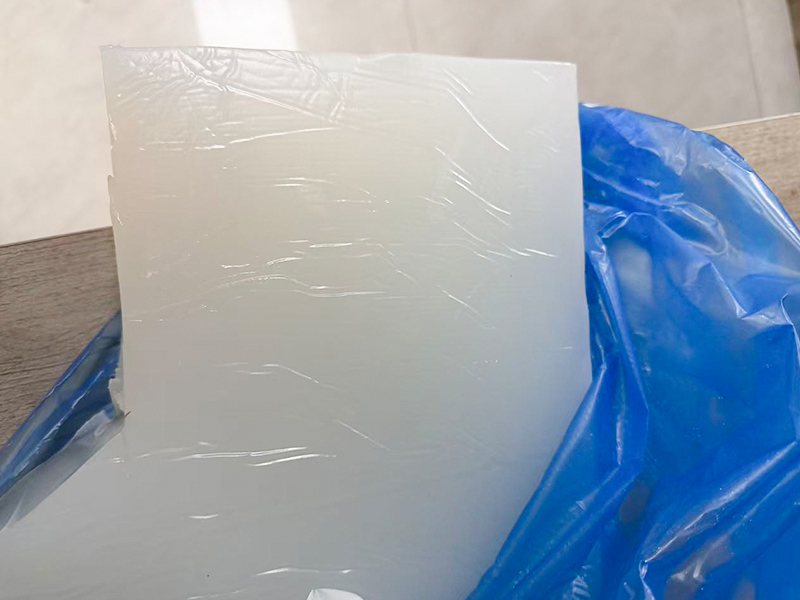 5280 High-Performance Precipitated Silicone Rubber
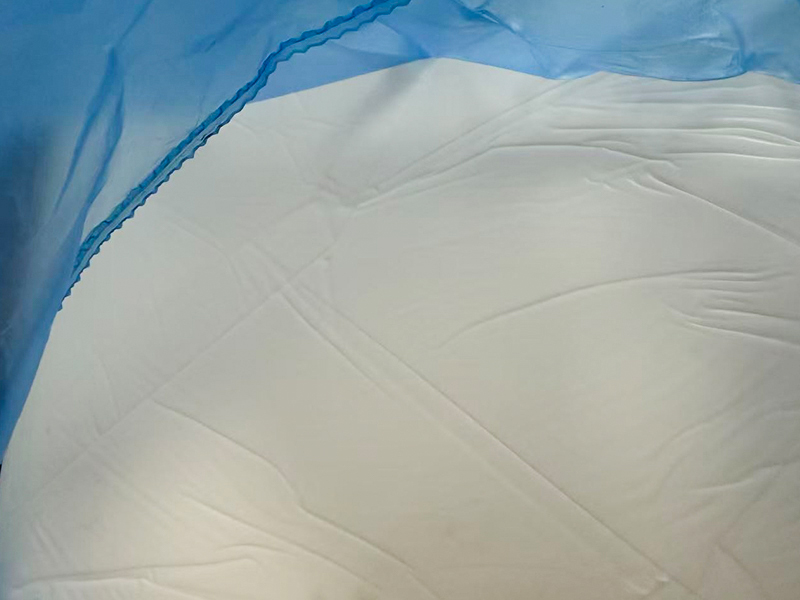 572DH Industrial-Grade Fumed Silicone Elastomer
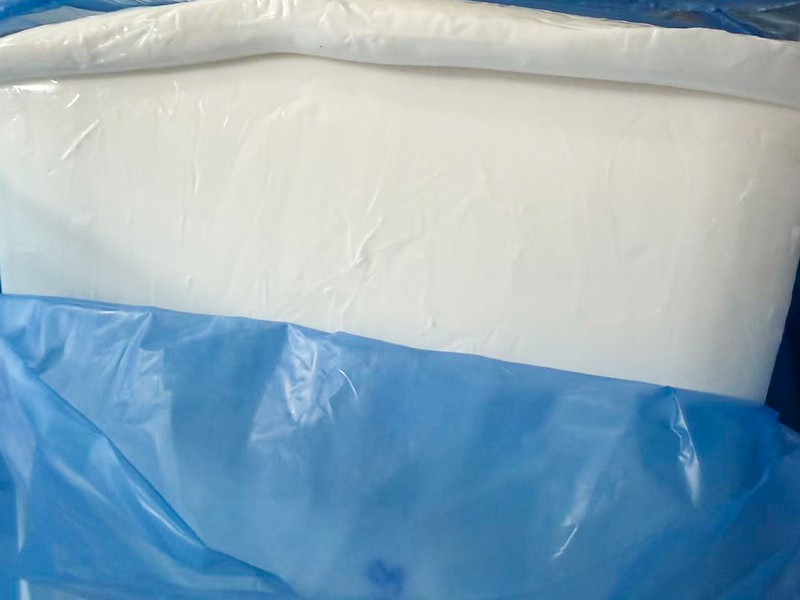 4571-Z Flame-Retardant Fumed Silicone Compound
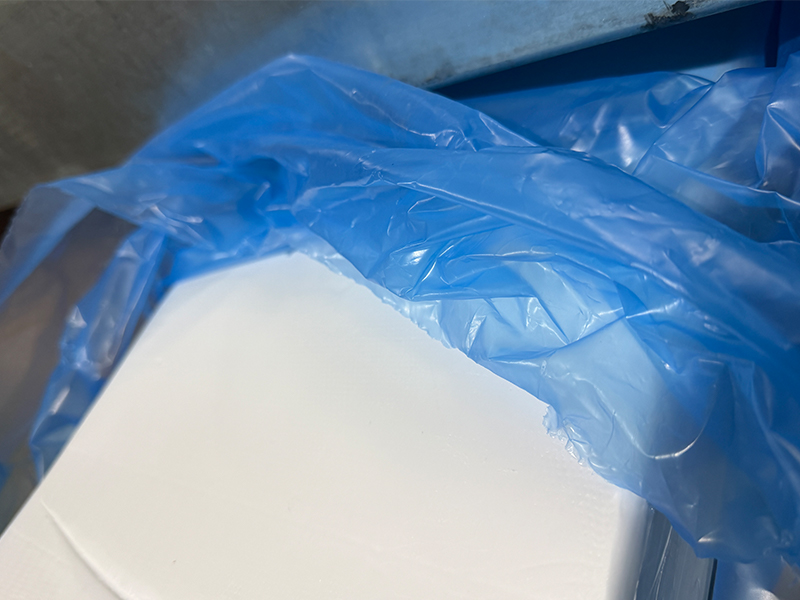 TC-9710 Ceratifiable Fire-Resistant Silicone Rubber
 Automotive High Voltage Cable Silicone Rubber
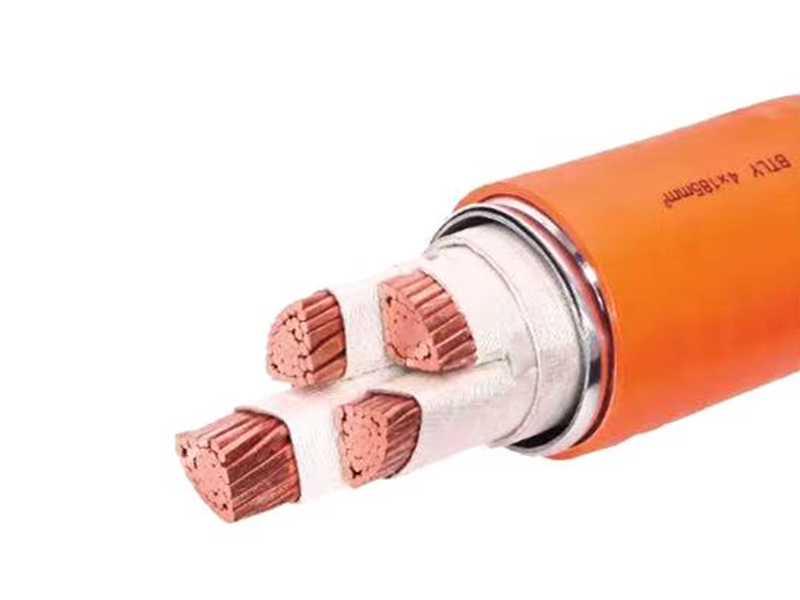 Ceramifiable Silicone Rubber Insulated Fire-Resistant Cable

What to stay up to date?
Contact us via the email address below.
No. 16, Industrial Concentration Zone, Daibu Town, Liyang City, China
Copyright 2026 Liyang Tiansheng Insulating Materials Co., Ltd. All Rights Reserved.
Custom Insulation Material For Cable Industry Suppliers

