

 English
 русский
 Español
Are You Interested?
Are You Interested?


Content
When searching for ordinary silicone rubber insulation material at competitive prices, understanding the specifications, cost factors, and reliable sourcing becomes critical for procurement teams. This comprehensive guide walks you through everything you need to know—from technical parameters to supplier selection—to make informed purchasing decisions without unnecessary complexity.
The global demand for silicone rubber insulation continues to grow across electrical, industrial, and manufacturing sectors. Whether you're looking for material samples, bulk quantities, or technical data sheets, this resource provides actionable insights tailored to buyers seeking standard-grade solutions rather than premium specialty products.
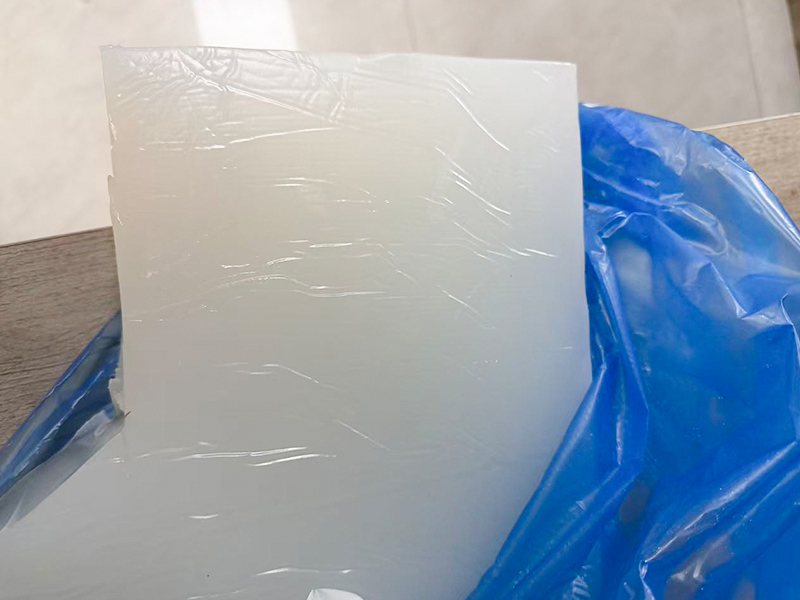
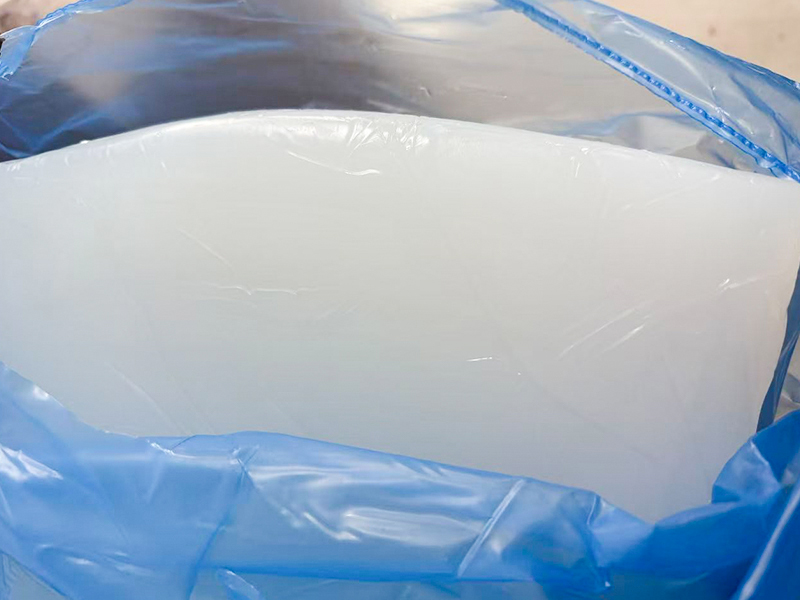
Ordinary silicone rubber insulation material refers to standard-grade silicone compounds designed for moderate insulation and protective applications. Unlike high-performance variants engineered for extreme conditions, ordinary-grade materials deliver cost-effective solutions for mainstream electrical and industrial uses.
These materials typically fall into two main categories:
The defining characteristics of ordinary-grade material include hardness levels between Shore A 30-50, operational temperature ranges from -50°C to +200°C, and dielectric properties meeting low to medium voltage applications. These specifications make ordinary silicone rubber suitable for most general-purpose insulation needs where extreme temperature resistance or extended outdoor durability is not a primary concern.
Understanding the technical parameters is essential for procurement professionals. The following table presents typical specifications for ordinary-grade silicone rubber insulation materials:
| Property | Typical Range (Ordinary Grade) | Test Method |
|---|---|---|
| Hardness (Shore A) | 30-50 | ASTM D2240 |
| Tensile Strength | 4.0-6.0 MPa | ASTM D412 |
| Elongation at Break | 250-400% | ASTM D412 |
| Dielectric Strength | 18-25 kV/mm | ASTM D149 |
| Volume Resistivity | 10^14 - 10^15 ohm·cm | ASTM D257 |
| Operating Temperature | -50°C to +200°C | Application-dependent |
| Water Absorption | Less than 2% | ASTM D570 |
These parameters represent industry-standard reference points for ordinary-grade materials. Actual values may vary slightly depending on specific formulation, filler content, and curing systems used by individual manufacturers. When requesting quotations, always ask suppliers to provide Technical Data Sheets (TDS) that confirm these specifications for their particular product batches.
Choosing between RTV and HTV formulations depends on your manufacturing process and end-use requirements:
Advantages: No heating equipment required, fast application, suitable for field use, excellent gap-filling properties. Ideal for coating electrical terminals, sealing cable joints, encapsulation of components, and on-site repairs.
Advantages: Superior mechanical properties, consistent quality, support for complex geometries through molding, available in sheet and extrusion forms. Ideal for manufacturing bushings, gaskets, insulators, and pre-formed components.
Understanding where ordinary-grade material delivers value helps confirm whether this solution matches your needs:
If your application involves extreme thermal cycling, extended outdoor exposure in harsh UV environments, or specialized regulatory requirements (such as aerospace or marine standards), you may need to evaluate higher-performance grades. However, for the majority of standard industrial and commercial applications, ordinary-grade material provides excellent performance-to-cost balance.
Cost is a critical factor in material selection, but understanding the variables that influence pricing helps you negotiate effectively and avoid surprises during procurement. Ordinary silicone rubber insulation material pricing is not a fixed number—it fluctuates based on several interconnected factors.
Rather than publishing fixed pricing, responsible suppliers provide quotations based on your specific requirements. When requesting pricing, include the following details: desired product form (liquid or sheet), quantity needed, required hardness range, targeted operating temperature, any certification needs, and desired delivery timeline. This information allows suppliers to provide accurate quotes reflecting your actual requirements.
Not every application requires premium-grade insulation materials. Understanding when ordinary-grade is sufficient—and when upgrading is necessary—prevents both over-purchasing and performance failures.
| Scenario | Recommendation |
|---|---|
| Indoor electrical equipment, controlled temperature environment, low voltage applications (below 1000V) | Ordinary grade is adequate |
| Cable sealing and joint encapsulation in urban power distribution networks | Ordinary grade is adequate |
| Consumer electronics potting, standard PCB conformal coating | Ordinary grade is adequate |
| Outdoor transformer bushings, exposed high-voltage connectors in harsh climates | Consider higher-performance grade |
| Deep-water subsea cable insulation, extreme temperature cycling (-40°C to +250°C) | Higher-performance grade required |
| Aerospace or military specifications with long-term reliability demands | Higher-performance grade required |
By accurately assessing your actual application requirements, you avoid both under-specification (which risks material failure) and over-specification (which unnecessarily inflates costs). Consulting with experienced suppliers helps validate whether ordinary-grade insulation meets your technical needs.
Finding trustworthy suppliers requires a systematic approach. The procurement process for silicone rubber insulation material involves technical validation, quality assurance, and commercial negotiation. Below is a structured checklist to guide your sourcing efforts.
When communicating with silicone rubber insulation material supplier candidates, prioritize these questions:
Avoid suppliers that exhibit these warning signs:
Taking time to thoroughly vet suppliers upfront significantly reduces long-term supply chain risks and ensures consistent material quality for your manufacturing processes.
While silicone rubber dominates the electrical insulation market, understanding how it compares to alternative materials helps confirm it is the right choice for your application:
Polyurethane offers lower cost and faster curing but provides inferior high-temperature performance and lower dielectric strength. Silicone rubber maintains consistent properties across wider temperature ranges and exhibits superior electrical properties at higher voltages.
Epoxy resins provide exceptional mechanical strength and chemical resistance but are brittle at low temperatures and vulnerable to thermal cycling stress. Silicone rubber's elasticity and thermal stability make it superior for flexible insulation layers and applications involving temperature fluctuations.
Conventional synthetic rubbers (EPDM, nitrile) are lower-cost alternatives but offer significantly lower thermal limits (typically -30°C to +100°C maximum) and inferior electrical properties. For applications requiring both insulation and temperature resilience, silicone rubber is the established standard.
For most electrical and industrial insulation applications, silicone rubber—particularly ordinary-grade formulations—represents the optimal balance of performance, reliability, and cost-effectiveness.
Successfully implementing ordinary silicone rubber insulation requires understanding best practices for application and long-term performance:
Before applying silicone rubber coatings or potting compounds, ensure surfaces are clean, dry, and free of contaminants. Solvent cleaning or mild abrasion improves adhesion and ensures consistent coating thickness. Proper surface preparation directly impacts coating durability and electrical performance.
RTV materials cure through moisture absorption from ambient air. Ensure adequate ventilation and moderate humidity (40-60%) during curing. Excessively dry conditions slow curing, while extremely humid environments may create surface irregularities. Complete curing typically requires 24-48 hours at room temperature.
Minimum recommended coating thickness is 1-2 mm for RTV applications, while structural components typically require 3-5 mm depending on mechanical stress requirements. Excessive thickness may lead to internal void formation and curing delays. Consult supplier recommendations for specific application geometry.
While ordinary silicone rubber tolerates -50°C to +200°C operation, avoid exposing freshly applied material to temperature extremes during the initial curing period. Gradual temperature cycling after full cure improves performance stability.
Store materials in cool (15-25°C), dry conditions away from direct sunlight and heat sources. RTV compounds typically maintain properties for 12-24 months when properly stored. HTV materials in sealed packaging retain properties for extended periods. Always verify shelf-life documentation and use FIFO (first-in, first-out) inventory management.
After implementing silicone rubber insulation, periodic monitoring ensures continued performance and identifies potential issues early:
Regularly inspect insulated components for visible cracks, discoloration, surface hardening, or separation from substrate. These signs may indicate environmental stress, thermal cycling effects, or material degradation. Early detection allows preventive action before functional failure occurs.
For critical applications, periodic electrical testing (insulation resistance measurement, dielectric breakdown assessment) verifies continued performance. Testing intervals depend on application severity—high-stress applications may require annual testing, while low-stress environments need testing only every 2-3 years.
Track environmental conditions affecting insulation performance: ambient temperature fluctuations, exposure to UV radiation or chemicals, moisture ingress, and mechanical stress. Understanding these factors helps predict remaining service life and plan replacement schedules.
Proactive maintenance significantly extends insulation system life and prevents unexpected failures that could disrupt operations or compromise safety.
Ordinary-grade silicone rubber insulation typically operates safely from -50°C to +200°C. However, continuous exposure at temperature extremes (below -40°C or above +180°C) may gradually affect long-term material properties. Verify specific material TDS for exact thermal limits for your application.
Most ordinary-grade silicone rubber materials are inherently halogen-free, making them suitable for applications requiring flame-retardant properties without halogenated additives. Confirm with your supplier that the specific product meets halogen-free standards if regulatory compliance is required for your application.
Ordinary-grade material can be used outdoors for short to medium-term applications (2-5 years) with adequate UV-protective topcoating. For extended outdoor exposure (10+ years), consider higher-performance grades with enhanced UV resistance. Geographic location, sunlight intensity, and environmental contaminants affect outdoor lifespan significantly.
Minimum order quantities vary by supplier and product form. Liquid RTV compounds typically start at 25-50 kg, while sheet materials may require 100+ kg minimums. Large-scale manufacturers may offer flexibility for smaller initial orders. Discuss MOQ options directly with potential suppliers during the quotation phase.
RTV materials typically reach surface hardness within 4-6 hours and achieve approximately 80% of full cure within 24 hours. Complete full cure may require 48-72 hours depending on thickness, temperature, and humidity conditions. Refer to supplier TDS for precise curing profiles for your specific material.
Modifying material composition may compromise electrical performance and void manufacturer warranties. Always consult with your supplier before adding fillers or additives. For custom property requirements, request pre-formulated materials designed for your specific needs rather than attempting modifications after receipt.
Relevant certifications depend on your industry. Common standards include: UL (electrical safety), IEC (international electrical standards), RoHS (hazardous substance restrictions), and regional certifications specific to your market. Request documentation of applicable certifications relevant to your application before purchase.
Evaluate your specific requirements: operating temperature range, voltage level, environmental exposure, expected service life, and regulatory constraints. Ordinary grade is adequate for most standard applications. Consult suppliers if your application involves extreme temperatures, extended outdoor exposure, specialized regulatory requirements, or critical reliability demands.
Platinum-catalyzed materials cure through addition reaction and release only hydrogen gas (preferred for sensitive applications, food contact). Peroxide-catalyzed materials cure through condensation and release byproducts (standard for general industrial use, lower cost). Verify the curing system matches your application requirements.
Minor damage to RTV coatings can be repaired by applying additional RTV material over cleaned damaged areas. The new material bonds to existing silicone rubber, creating an integrated repair. For structural damage or large affected areas, re-application of the entire insulation layer may be necessary. Consult with your supplier for repair procedures specific to your material.
Sourcing ordinary silicone rubber insulation material requires understanding technical specifications, cost drivers, supplier evaluation criteria, and application engineering best practices. This guide provides a comprehensive framework for making informed procurement decisions that balance performance, cost, and supply chain reliability.
By following the supplier evaluation checklist, requesting comprehensive technical documentation, validating material performance through sample testing, and maintaining clear communication throughout procurement, you establish a foundation for consistent material quality and long-term supply chain success. Whether your application involves electrical equipment insulation, cable sealing, component potting, or industrial protective coatings, ordinary-grade silicone rubber offers proven performance and excellent value across diverse industries.
Begin your procurement journey by preparing a detailed RFQ, reaching out to multiple qualified suppliers, and requesting samples for validation. Through systematic evaluation and professional supplier collaboration, you will identify the right ordinary silicone rubber insulation material to meet your specific technical and commercial requirements.

What to stay up to date?
Contact us via the email address below.
No. 16, Industrial Concentration Zone, Daibu Town, Liyang City, China
Copyright 2026 Liyang Tiansheng Insulating Materials Co., Ltd. All Rights Reserved.
Custom Insulation Material For Cable Industry Suppliers

