

 English
 русский
 Español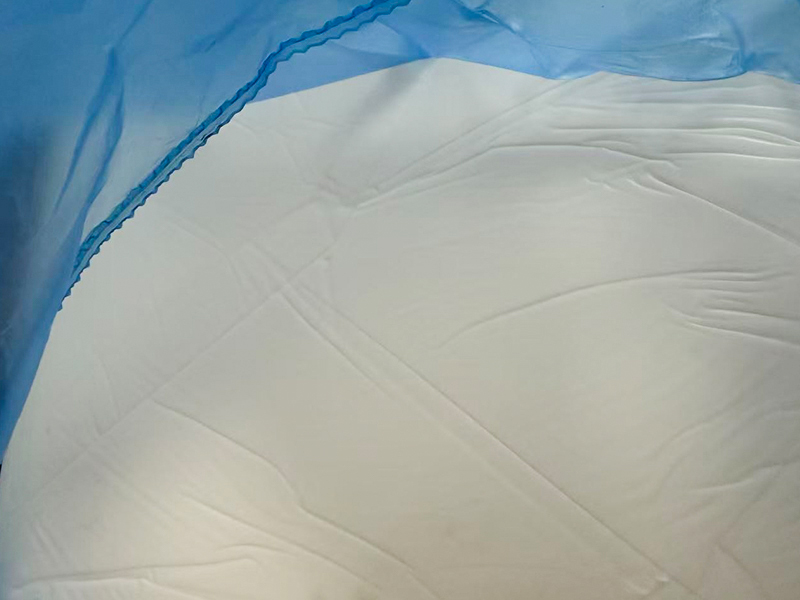
Are You Interested?
Are You Interested?


Content
In automotive turbocharging systems, medical devices, and aerospace sealing applications, material failure is not just an inconvenience—it is a liability. Standard silicone compounds frequently fall short when facing extreme conditions: insufficient tear resistance in high-pressure environments, inadequate transparency for optical applications, and poor performance in temperature extremes.
This is where fumed silicone rubber compound emerges as a game-changer. By incorporating fumed silica—a nano-scale reinforcing filler—this advanced material delivers exceptional mechanical properties, optical clarity, and thermal stability that conventional compounds simply cannot match.
Understanding the science, performance characteristics, and supplier selection criteria behind fumed silicone rubber compounds is essential for engineers, procurement specialists, and product developers who demand reliability and excellence. This comprehensive guide walks you through every critical aspect of this high-performance material, from molecular structure to real-world implementation.
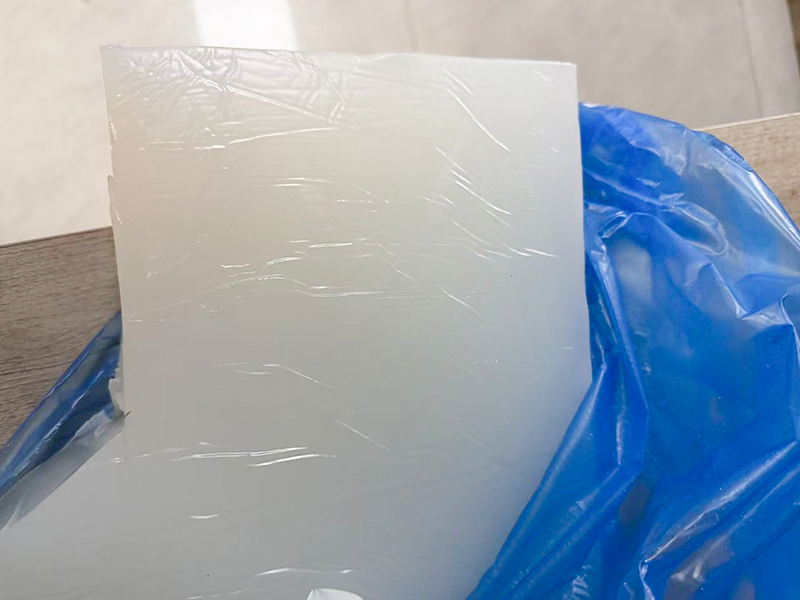
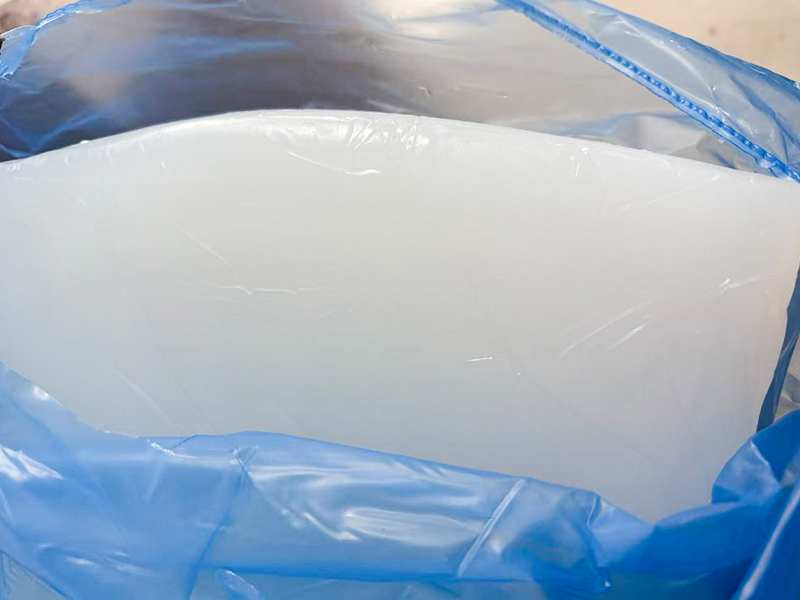
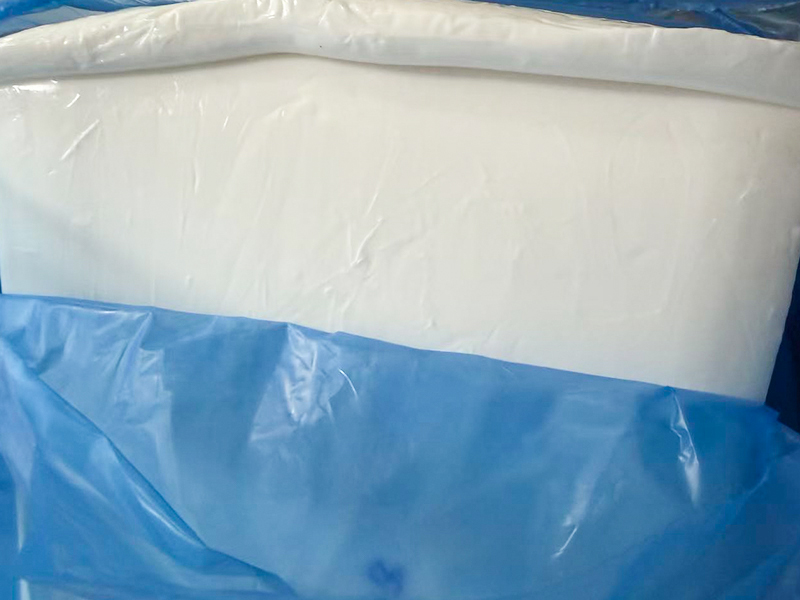
Fumed silicone rubber compound is engineered by blending base methyl vinyl silicone elastomer (raw gum) with fumed silicon dioxide—also known as fumed silica or fumed white carbon black—as a reinforcing filler. Think of fumed silica as microscopic spheres, each measuring just 5-50 nanometers in diameter, distributed throughout the polymer matrix.
Unlike conventional precipitated silica, which is coarser and agglomerated, fumed silica provides superior surface area interaction with the polymer chains, creating a more robust three-dimensional network structure at the molecular level.
The reinforcement process operates through several mechanisms:
Without this reinforcement strategy, raw silicone elastomer would exhibit tensile strength below 2 MPa and tear strength under 5 kN/m—rendering it unsuitable for demanding applications. The addition of 15-40% fumed silica by weight dramatically improves these properties.
The distinction between these two filler types is more than academic; it determines material performance across multiple dimensions:
| Property | Fumed Silica | Precipitated Silica |
|---|---|---|
| Particle Size | 5-50 nm (nano-scale) | 100-500 nm (larger) |
| Transparency | Excellent (translucent) | Limited (opaque) |
| Tear Strength | Greater than 25 kN/m | 15-20 kN/m |
| Tensile Strength | 8.5-12 MPa | 6-8 MPa |
| UV Resistance | Excellent | Good |
| Cost | Higher | Lower |
| Processing Viscosity | Moderate | Lower |
For applications demanding optical clarity or superior tear resistance, fumed silica is the unquestionable choice. For cost-sensitive applications where transparency is unnecessary, precipitated silica offers acceptable performance at lower expense.
The nano-scale dispersion of fumed silica minimizes light scattering. This means compounds can achieve light transmittance values exceeding 85%—critical for optical applications including protective lens covers, medical tubing with visibility markers, and consumer device display shields. The material maintains this transparency across the visible and near-infrared spectrums, a property rarely matched by alternative elastomers.
For materials designated as high tear strength silicone rubber, performance benchmarks are rigorous:
These metrics ensure that components endure repeated stress cycles, thermal fluctuations, and mechanical deformation without permanent degradation.
Fumed silicone rubber compounds maintain structural integrity across an exceptionally wide temperature range:
The material resists degradation from ozone, ultraviolet radiation, and exposure to acids, bases, and hydrocarbon oils—making it suitable for both indoor and outdoor applications in harsh chemical environments.
For electronics applications:
These properties make fumed silicone rubber ideal for high-voltage insulation, cable jackets, and electronic component encapsulation.
For silicone rubber for medical devices, biocompatibility is non-negotiable. Fumed silicone compounds can be formulated to meet stringent standards:
The medical sector demands materials that combine reliability with biocompatibility. Fumed silicone rubber compounds are deployed in:
The material's ability to withstand repeated flexing, resist steam sterilization, and maintain dimensional stability under prolonged storage makes it indispensable in this sector.
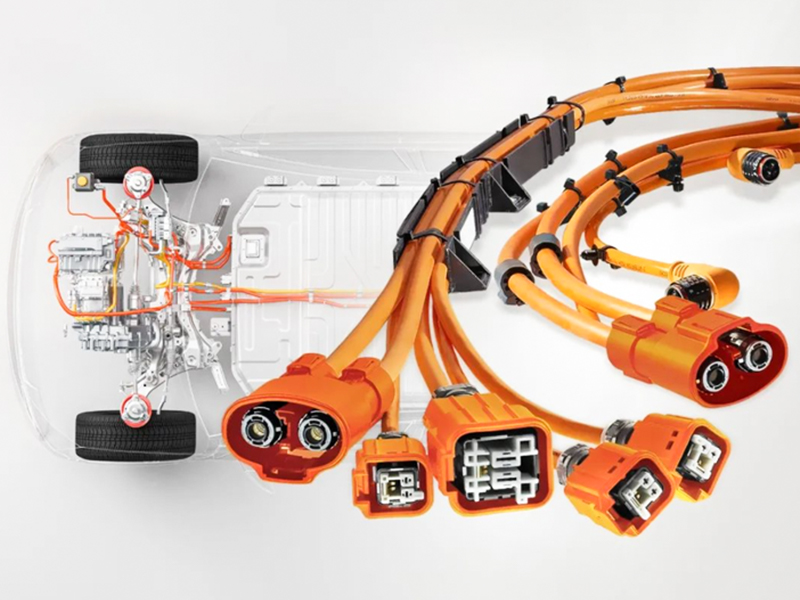
In powertrains and under-hood environments, materials face simultaneous thermal, mechanical, and chemical assault. Applications include:
The combination of high tear strength and thermal stability ensures these components perform reliably across 100,000+ mile service intervals and temperature cycling from -40°C to +180°C.
Modern electronics require materials that protect sensitive components while managing heat and maintaining electrical isolation. HTV silicone rubber formulations incorporating fumed silica are used in:
Beyond technical sectors, fumed silicone rubber compounds serve consumer and general industrial needs:
The first filtering criterion when evaluating a fumed silicone rubber compound manufacturer is certification landscape. Trustworthy suppliers maintain credentials spanning their target markets:
Request documentation of these certifications early in your evaluation process. Legitimate manufacturers never hesitate to provide copies of their current certifications.
Standard off-the-shelf compounds rarely match every application requirement perfectly. A quality custom silicone compound manufacturer should offer flexibility across multiple dimensions:
The manufacturer should employ experienced chemists and engineers capable of recommending formulations based on your specific performance requirements and processing constraints.
Manufacturing scale and equipment sophistication directly impact batch consistency and delivery reliability. Evaluate the following:
Smaller manufacturers with limited capacity (under 1,000 tons/year) risk inconsistency during production scaling, which translates to quality variability in your finished products.
High-performance materials require partnership, not transactional relationships. Assess the supplier's support infrastructure:
While fumed silicone rubber compounds command a price premium over standard precipitated alternatives, this cost is justified by performance gains. When comparing quotes:
Key Takeaway: The ideal manufacturer balances certification rigor with technical flexibility, offers proven production consistency, and demonstrates genuine commitment to your application success through collaborative support.
The journey from concept to finished compound begins with rigorous raw material qualification. Base silicone gum (typically methyl vinyl formulations) must meet viscosity specifications, and fumed silica must demonstrate consistent particle size distribution and surface area characteristics (BET method surface area typically 50-200 m2/g).
In high-temperature internal mixers, raw gum and fumed silica undergo 15-30 minute mixing cycles at 80-100°C, creating thorough dispersion. This stage is critical; inadequate mixing results in uneven filler distribution and inconsistent properties. Temperature control prevents premature cross-linking (vulcanization) of the elastomer chains.
Following mixing, the compound is cooled to below 40°C, typically via rolling mills or extruders. Final stock is stored in climate-controlled conditions (18-25°C, 40-60% relative humidity) to prevent degradation or moisture absorption.
Before release, samples undergo testing including Mooney viscosity measurement, elastomer processability verification, and accelerated curing trials to confirm batch compatibility with customer molding equipment.
While formulations vary by application, the following represents typical performance targets for standard fumed silicone rubber compounds:
| Test Property | Test Method | Typical Value | Unit |
|---|---|---|---|
| Tensile Strength | ISO 37 | 8.5-12 | MPa |
| Elongation at Break | ISO 37 | 200-300 | percent |
| Tear Strength | ISO 34-1 | 25-35 | kN/m |
| Hardness | ISO 7619 | 40-60 | Shore A |
| Compression Set (70h, 100°C) | ISO 815 | 10-15 | percent |
| Volume Resistivity | ISO 6530 | 1.0 x 10^16 | ohm-cm |
| Dielectric Strength | ASTM D149 | 20-30 | kV/mm |
| Light Transmittance | ISO 14891 | Greater than 85 | percent |
Note: Specific values depend on exact fumed silica loading, grade of base elastomer, and any additional additives or processing agents incorporated into the formulation.
Challenge: Fumed silica dramatically increases compound viscosity, complicating molding and extrusion processing.
Solution: Work with suppliers to optimize filler loading (balancing performance vs. processability) or adjust processing temperatures incrementally within the safe window. Some formulations incorporate plasticizers or coupling agents to reduce viscosity without sacrificing reinforcement.
Challenge: Standard fumed silica formulations may not achieve the optical clarity required for visibility-critical applications.
Solution: Specify higher-grade fumed silica with tighter particle size distribution, request formulation modifications to reduce filler loading if performance permits, or employ surface treatments that minimize light scattering. A transparent silicone rubber compound requires specific technical collaboration.
Challenge: Inconsistent mixing or raw material variation introduces property drift between production batches.
Solution: Verify your supplier maintains SPC (statistical process control) programs, uses calibrated mixing equipment, and holds raw material suppliers to published specifications. Request certificates of analysis for each batch received.
Challenge: Fumed silica compounds cost significantly more than precipitated alternatives, straining procurement budgets.
Solution: Collaborate with your supplier's technical team to evaluate whether lower filler loadings can meet your actual performance requirements (rather than specifications), explore regional sourcing for fumed silica, or identify where hybrid formulations (combining fumed and precipitated silica) deliver acceptable compromises.
Fumed silicone rubber compounds represent a quantum leap in material performance for industries where reliability, durability, and precision are non-negotiable. Whether your application demands optical transparency for medical tubing, exceptional tear resistance for automotive seals, or electrical insulation for electronics, this advanced material category offers the performance foundation necessary for success.
The decision to specify fumed silicone rubber should not be driven by marketing rhetoric but by rigorous technical analysis: Will the performance advantages justify the cost premium? Can your processing equipment handle the increased viscosity? Does your supplier possess the certifications and technical expertise your industry demands?
By understanding the material science, performance characteristics, and supplier evaluation criteria outlined in this guide, you are positioned to make informed decisions that optimize both product performance and total cost of ownership.
Ready to explore how fumed silicone rubber compounds can solve your specific application challenge? Contact a qualified technical team to discuss your requirements, request material samples, and evaluate custom formulation options. High-performance materials demand high-performance partnerships—choose suppliers who invest in your success, not merely in transactional sales.
Next Steps: Evaluate potential suppliers against the certification and capability criteria outlined above. Request technical data sheets, obtain sample materials, and conduct preliminary processing trials. Build relationships with manufacturers who demonstrate genuine technical expertise and commitment to your long-term success.
Fumed silica is produced through high-temperature vapor-phase synthesis, resulting in nano-scale particles (5-50 nm) with exceptional surface area. Precipitated silica is chemically precipitated in solution, yielding larger, more agglomerated particles (100-500 nm). This size difference translates to superior reinforcement, transparency, and tear strength in fumed formulations, though at higher cost.
Yes, most reputable manufacturers offer color customization through organic or inorganic pigment additions. However, pigments can slightly reduce transparency and may require separate dispersion cycles. Work with your supplier to confirm that chosen pigments do not compromise curing profiles or electrical properties.
Yes, formulations can be engineered to meet FDA food contact regulations (CFR Title 21) and EU Regulation 10/2011. Verify with your supplier that their specific formulation carries appropriate food-contact certifications and that the manufacturing process incorporates appropriate controls to minimize extractable contaminants.
When stored properly (18-25°C, 40-60% relative humidity, away from direct sunlight) in sealed containers, most formulations remain processable for 12-18 months. Extended storage may require rejuvenation testing. Always consult supplier documentation for your specific formulation.
Generally yes, though higher viscosity may require adjusted processing parameters (temperature, injection pressure, hold pressure). Work with your equipment supplier and material manufacturer to confirm compatibility and establish appropriate processing windows. Test batches are strongly recommended before full-scale production runs.
Unfilled silicone elastomers exhibit thermal conductivity around 0.15-0.2 W/m-K. Fumed silica reinforcement minimally affects thermal conductivity compared to precipitated fillers. If enhanced thermal conductivity is critical, specialized formulations incorporating thermally conductive additives (aluminum nitride, boron nitride) should be specified.
Essential evaluations include tensile strength and tear strength (ISO 37 and ISO 34-1), hardness verification (ISO 7619), compression set assessment (ISO 815), and processing trials with your specific molding equipment. For medical applications, biocompatibility testing per ISO 10993 series is mandatory before use.
Fumed silicone compounds are compliant with RoHS Directive 2011/65/EU (as amended) and REACH Regulation in Europe, assuming formulation does not incorporate restricted substances. Some regions may restrict specific additive packages. Always verify compliance with your target market regulations.
Prioritize suppliers with independent certifications (ISO 9001, IATF 16949, ISO 10993), request certificates of analysis with each shipment, and establish pilot programs with small initial orders. Third-party testing laboratories can validate critical properties if your organization lacks equipment. Maintain ongoing communication with your supplier's technical team.
Standard formulations typically ship within 2-4 weeks of order. Custom formulations or color-matched batches may require 4-8 weeks for development, testing, and production. Establish clear timelines early in your supplier discussions, and plan procurement accordingly to avoid project delays.

What to stay up to date?
Contact us via the email address below.
No. 16, Industrial Concentration Zone, Daibu Town, Liyang City, China
Copyright 2026 Liyang Tiansheng Insulating Materials Co., Ltd. All Rights Reserved.
Custom Insulation Material For Cable Industry Suppliers

