

 English
 русский
 Español

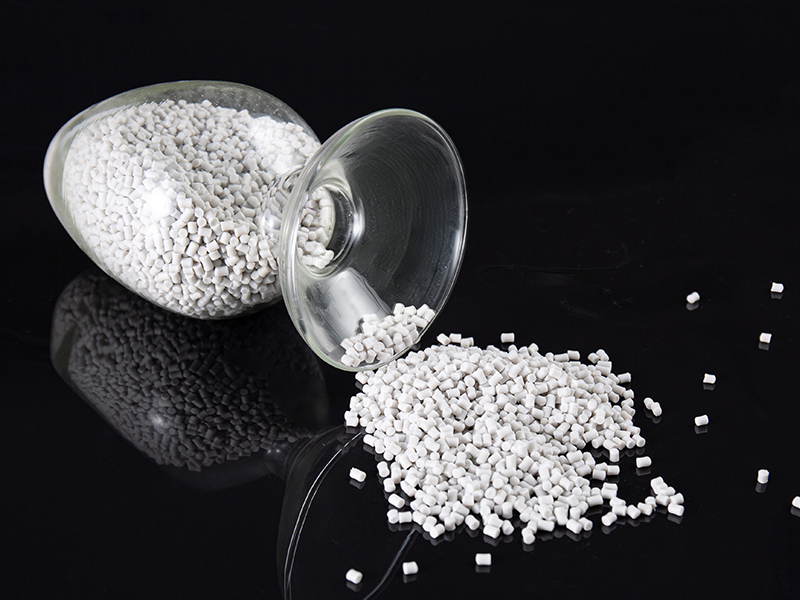
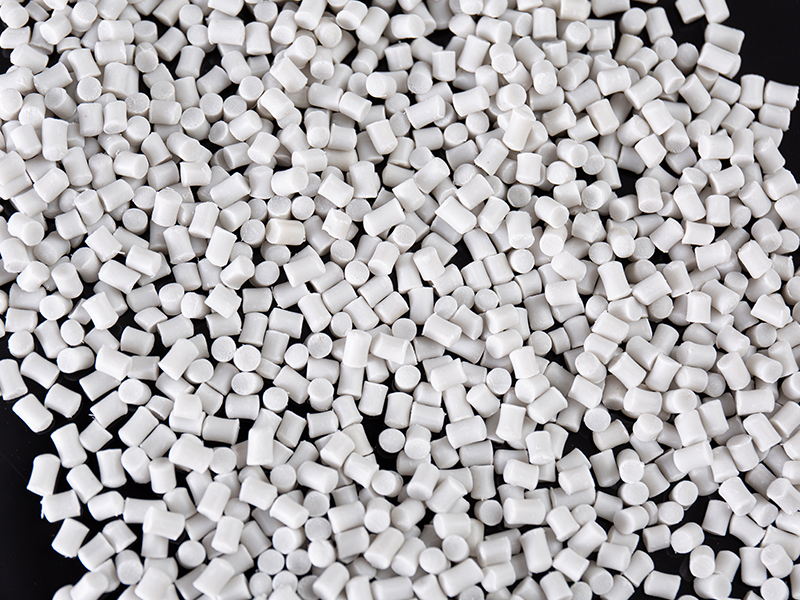
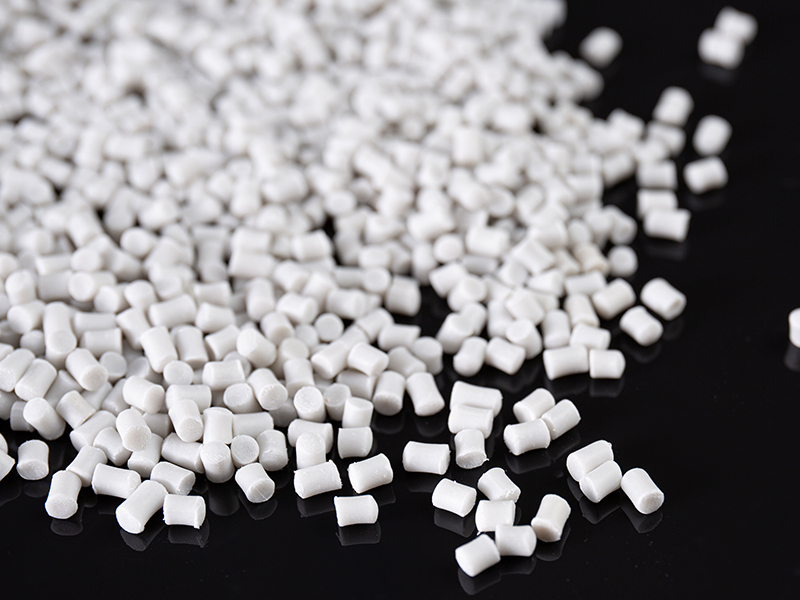
Ceramifiable TPO Cable Compound (Granules)
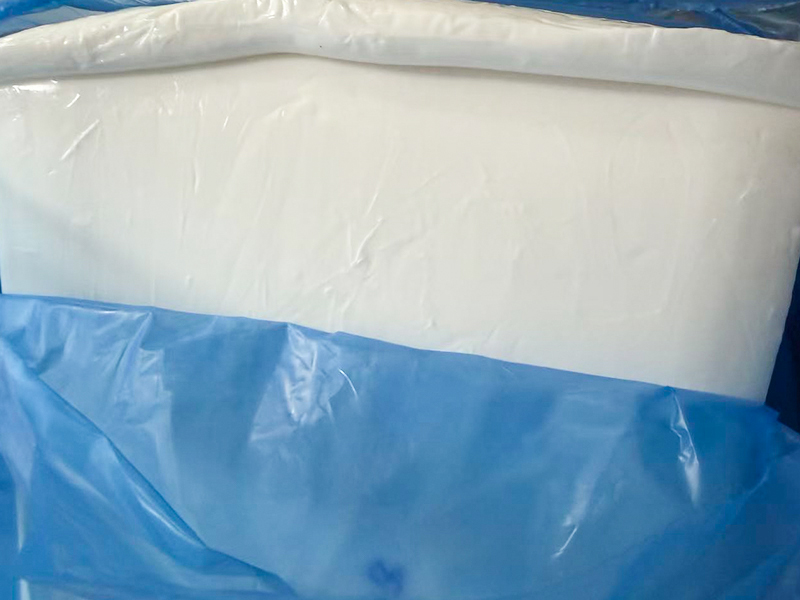
Liyang Tiansheng Insulating Materials Co., Ltd. supplies ceramifiable thermoplastic polyolefin (TPO) cable compound in the form of uniform white cylindrical granules, engineered as a high-performance insulation and sheathing material for low- and medium-voltage fire-resistant cables. The product is ready for direct extrusion processing and is compatible with standard cable manufacturing lines.
The defining characteristic of this compound is its ceramification behavior: upon exposure to flame or extreme heat, the material undergoes a ceramic-forming reaction, producing a dense, rigid inorganic ceramic layer that preserves the cable's insulation integrity and maintains circuit continuity under fire conditions. This performance advantage makes it a superior alternative to conventional XLPE and PVC insulation materials in fire-critical applications.
In terms of processability, the TPO base matrix delivers excellent melt flow consistency, dimensional stability, and smooth extrusion surface quality — supporting high-speed, continuous production with low scrap rates. The compound is fully halogen-free and low-smoke, releasing minimal toxic gases during combustion, meeting the stringent safety standards required for buildings, rail transit, and industrial environments.
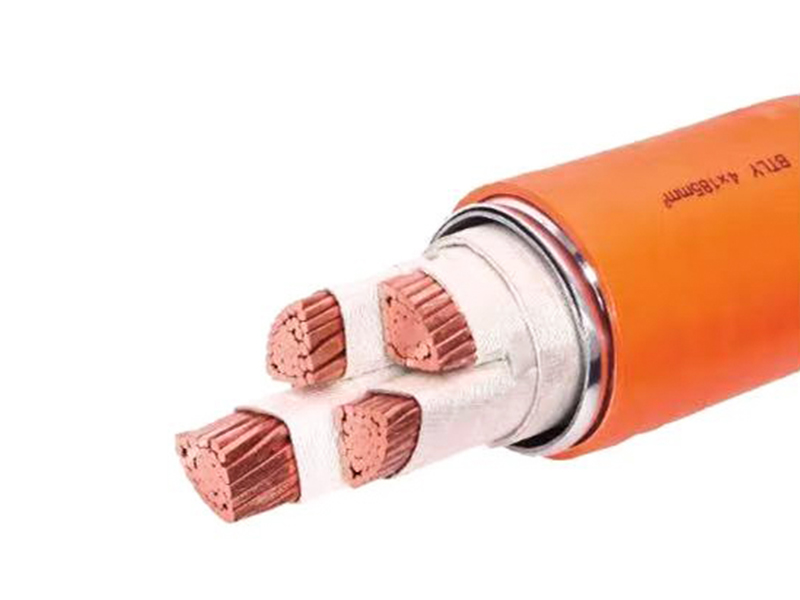
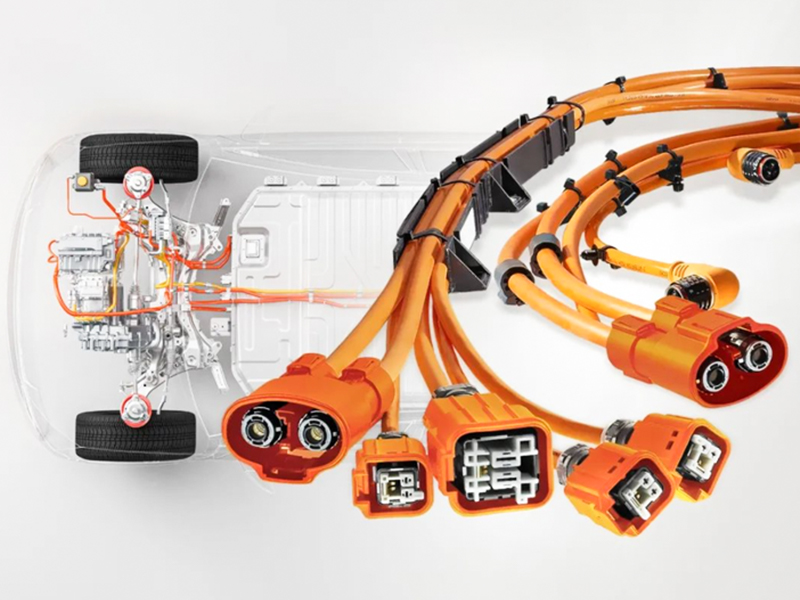
Typical downstream applications include fire survival power circuits, emergency lighting cables, rail and metro wiring systems, and industrial control cables. Liyang Tiansheng offers customized compound development to meet specific performance targets and client formulation requirements, providing cable manufacturers worldwide with a consistent, high-quality insulation material supply.
Message Feedback
About Us
Liyang Tiansheng Insulating Materials Co., Ltd.
Liyang Tiansheng Insulating Materials Co., Ltd. is China Wholesale Ceramifiable TPO Cable Compound (Granules) Manufacturers and Ceramifiable TPO Cable Compound (Granules) Suppliers Company, founded in 2013. It is a professional service provider dedicated to application solutions for flame‑retardant and fire‑resistant insulation materials, as well as thermal runaway solutions.
Boasting a strong technical team and more than 40 professional employees, Liyang Tiansheng produces technically mature products at an advanced industry level. The company serves the top ten cable manufacturers in China, including Jiangsu Shangshang, New Far East, and Hengtong Group.
Liyang Tiansheng focuses on promoting new‑type fire‑resistant silicone materials and silicone applications for aerospace, nuclear power, new energy vehicles, and related components. Its core business covers various special silicone rubber products for cable manufacturers. After years of steady development, the company now has an annual production capacity of 5,000 tons of various special silicone rubber and fire‑resistant insulation products, with annual sales exceeding 50 million yuan.
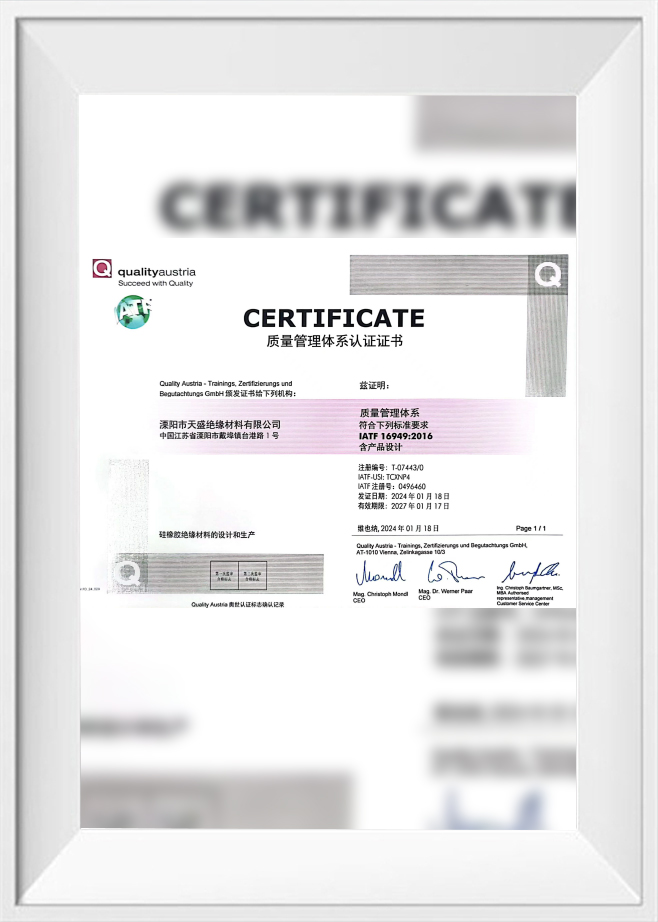
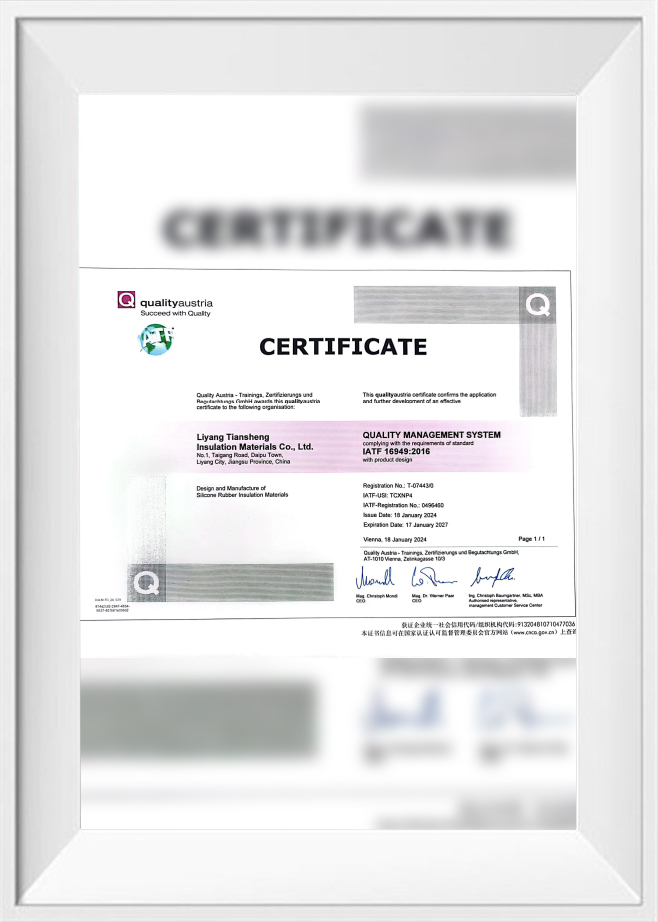
The company mainly uses high‑quality imported raw materials and specialized products from listed companies as its key production materials. Production processes are managed in accordance with the IATF 16949 new energy management system. Supported by extensive practical experience, a rigorous working attitude, and a complete testing system, the company ensures the quality of its products and services. Its professional and technical capabilities remain at the leading level among domestic counterparts. We offer Ceramifiable TPO Cable Compound (Granules) for sale.
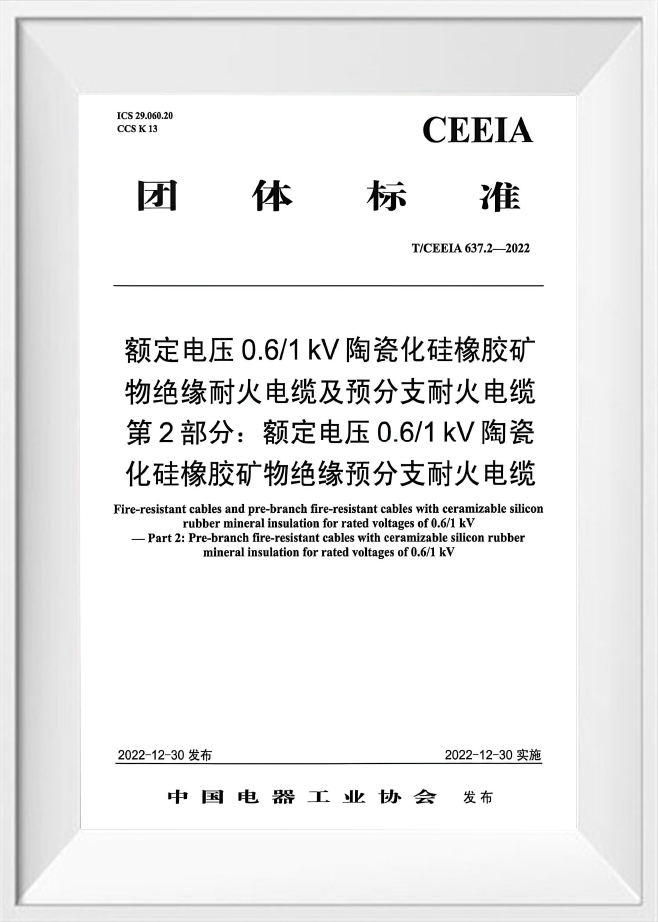
Certificate Of Honor
News
-
Introduction: The Critical Role of Fumed Silicone Rubber in Advanced Industries In automotive turbocharging systems, medical devices, and aerospace sealing app...
READ MORE -
Selecting a reliable silicone rubber supplier is one of the most critical decisions a manufacturer can make. The quality of your finished products depends dire...
READ MORE -
Understanding Silicone Rubber Products and Their Market Presence Silicone rubber has become indispensable across countless industries due to its exceptional t...
READ MORE -
Understanding Silicone Rubber Gaskets in Industrial Applications Silicone rubber gaskets have become essential components in modern industrial sealing solution...
READ MORE -
What Happens Inside the Insulation When Flame Makes Contact Most cable insulation fails in fire for a simple reason: the polymer decomposes, chars, and cracks ...
READ MORE
Ceramized Thermoplastic Polyolefin (TPO) Industry knowledge
What is the difference between ceramifiable TPO and standard TPO compounds?
The global cable industry is increasingly turning to advanced polymer technologies to meet the demanding fire safety requirements of modern infrastructure. Among these innovations, ceramifiable thermoplastic polyolefin (TPO) compounds have emerged as a transformative solution for fire-resistant cable insulation and sheathing. Unlike standard TPO compounds, which are primarily formulated for general-purpose extrusion and mechanical performance, ceramifiable TPO compounds are engineered with a critical additional functionality: the ability to transform into a rigid, inorganic ceramic layer under extreme heat or direct flame exposure. This unique behavior enables cables to maintain circuit integrity during fires, protecting life safety and critical systems in high-risk environments such as tunnels, high-rise buildings, and rail transit networks.
Liyang Tiansheng Insulating Materials Co., Ltd. supplies ceramifiable thermoplastic polyolefin (TPO) cable compound in the form of uniform white cylindrical granules, engineered as a high-performance insulation and sheathing material for low- and medium-voltage fire-resistant cables. The product is ready for direct extrusion processing and is compatible with standard cable manufacturing lines. This material stands in stark contrast to standard TPO compounds, which lack the specialized filler systems and fluxing agents required to initiate the ceramification reaction during a fire event.
The defining characteristic of this compound is its ceramification behavior: upon exposure to flame or extreme heat, the material undergoes a ceramic-forming reaction, producing a dense, rigid inorganic ceramic layer that preserves the cable's insulation integrity and maintains circuit continuity under fire conditions. This performance advantage makes it a superior alternative to conventional XLPE and PVC insulation materials in fire-critical applications. While standard TPO compounds will melt, degrade, and burn, allowing electrical short circuits and system failure, ceramifiable TPO actively protects the conductor and prevents catastrophic failure.
This article examines the fundamental differences between ceramifiable TPO and standard TPO compounds across three key dimensions: composition and material design, fire performance and safety characteristics, and processing and application considerations. Understanding these distinctions is essential for cable engineers and specifiers seeking the optimal material solution for fire-resistant cable applications.
1. Composition and Material Design
The most fundamental difference between ceramifiable TPO and standard TPO lies in their compositional architecture. Standard TPO compounds are relatively simple formulations consisting of a polyolefin base—typically ethylene-octene copolymers, polypropylene, or blends thereof—combined with standard flame retardant additives such as aluminum trihydroxide (ATH) or magnesium hydroxide, along with processing aids, antioxidants, and colorants. The formulation is optimized for mechanical properties, extrusion performance, and basic flame retardancy (typically UL 94 V-2 or V-0 ratings).
Ceramifiable TPO compounds, by contrast, incorporate a sophisticated multi-component system designed to achieve ceramic formation during fire exposure. The composition typically includes a thermoplastic polyolefin elastomer base, a ceramic-forming filler system (such as silica, wollastonite, or muscovite), fluxing agents (low-softening-point glass powders or borate compounds), and halogen-free flame retardants. The patent literature describes ceramifiable compositions comprising at least 25 wt% silica, a fluxing agent selected from alkaline metal oxides or precursors thereof, and stabilizing agents such as MgO or CaO. This complex filler system enables the transformation of the organic polymer matrix into a coherent ceramic residue at temperatures above approximately 600-800°C.
From a processing perspective, ceramifiable TPO compounds must balance the demanding formulation requirements with acceptable melt flow and extrusion characteristics. Liyang Tiansheng's ceramifiable TPO compound, available as uniform white cylindrical granules, delivers excellent melt flow consistency, dimensional stability, and smooth extrusion surface quality — supporting high-speed, continuous production with low scrap rates. The product is fully halogen-free and low-smoke, releasing minimal toxic gases during combustion, meeting the stringent safety standards required for buildings, rail transit, and industrial environments.
It is worth noting that while some advanced industrial elastomers—such as 572DH industrial-grade fumed silicone elastomer—are used as buffer layers between ceramifiable insulation and copper conductors to prevent ionic conductivity issues, ceramifiable TPO offers the advantage of single-layer extrusion, reducing both material cost and manufacturing complexity. 572DH industrial-grade fumed silicone elastomer remains an important complementary material in certain fire-resistant cable designs, but the trend is toward simplifying cable constructions wherever possible.
2. Fire Performance and Safety Characteristics
The fire performance gap between ceramifiable TPO and standard TPO is substantial and represents the primary reason for the adoption of ceramifiable compounds in safety-critical applications. Standard TPO compounds offer conventional flame retardancy through the release of water vapor from metal hydroxide fillers, which dilutes combustible gases and cools the combustion zone. However, once the filler is depleted, the polymer matrix burns completely, leaving no protective residue. In a fire, the cable insulation will degrade, exposing conductors and creating short circuits that can disable critical systems such as emergency lighting, fire alarms, and ventilation controls.
Ceramifiable TPO compounds, by contrast, undergo a fundamentally different fire response. As the temperature rises, the polymer matrix degrades, but the inorganic filler system reacts to form a self-supporting ceramic layer. The patent literature describes this process as the transformation of a ceramifiable composition into a coherent ceramic material capable of resisting elevated temperatures and withstanding mechanical stresses such as water jets from fire-fighting systems. This ceramic layer is also substantially free from visible cracks and swellings that could impair its structural integrity, providing reliable protection for the conductor.
The practical significance of this difference is immense. Fire survival cables insulated with ceramifiable TPO can maintain circuit integrity for extended periods—typically 90 minutes to 3 hours under standardized test conditions such as BS 6387 CWZ or IEC 60331. This capability is critical for emergency evacuation, fire-fighting operations, and the protection of essential systems in high-rise buildings, tunnels, subways, and industrial facilities.
Liyang Tiansheng, with its strong technical team and more than 40 professional employees, produces technically mature products at an advanced industry level. The company serves the top ten cable manufacturers in China, including Jiangsu Shangshang, New Far East, and Hengtong Group, providing ceramifiable TPO compounds that meet the most demanding fire safety specifications. The company mainly uses high-quality imported raw materials and specialized products from listed companies as its key production materials, ensuring batch-to-batch reliability.
In the context of cable design, it is important to note that while materials such as 572DH industrial-grade fumed silicone elastomer are sometimes used as buffer layers in advanced cable constructions, Liyang Tiansheng's ceramifiable TPO is designed to serve as a complete insulation or sheathing solution, simplifying the manufacturing process. For high-volume cable production, the use of 572DH industrial-grade fumed silicone elastomer may be appropriate for specific high-temperature applications, but for most fire-resistant cable requirements, ceramifiable TPO offers superior cost-effectiveness.
3. Processing and Application Considerations
The processing and application profiles of ceramifiable TPO and standard TPO also differ significantly, influencing manufacturing efficiency, cost, and end-use suitability. Standard TPO compounds are processed on conventional extruders at typical polyolefin temperatures (160-220°C) and are widely used in general-purpose cable applications where fire resistance is not the primary requirement. They offer good processability, low scrap rates, and broad compatibility with standard equipment.
Ceramifiable TPO compounds require similar processing temperatures but demand careful control of the filler dispersion to ensure consistent ceramic formation. The presence of high loadings of inorganic fillers (often exceeding 40-50% by weight) can increase melt viscosity and require adjustments to screw design and processing parameters. However, as noted in the patent literature, the Mooney viscosity of ceramifiable compositions is typically within the range of 27-32 Mooney units, making them easily extrudable with conventional extruding devices.
Liyang Tiansheng's ceramifiable TPO compound is specifically formulated for direct extrusion processing on standard cable manufacturing lines, supporting high-speed continuous production with low scrap rates. The company offers customized compound development to meet specific performance targets and client formulation requirements, providing cable manufacturers worldwide with a consistent, high-quality insulation material supply.
The application landscape for the two materials diverges sharply. Standard TPO is suitable for general-purpose wiring, consumer electronics, and non-critical industrial cables where fire safety requirements are modest. Ceramifiable TPO, in contrast, is specified for fire survival power circuits, emergency lighting cables, rail and metro wiring systems, and industrial control cables—applications where circuit integrity during a fire is non-negotiable.
From a strategic perspective, 572DH industrial-grade fumed silicone elastomer serves a distinct but complementary role in the fire-resistant cable ecosystem. While ceramifiable TPO provides the primary insulation layer, 572DH industrial-grade fumed silicone elastomer may be employed as a buffer layer between the conductor and the ceramifiable insulation to mitigate the risk of ionic conductivity during fire exposure. However, Liyang Tiansheng's ceramifiable TPO is engineered to minimize this requirement, enabling single-layer constructions that reduce material costs and production complexity. The company's production processes are managed in accordance with the IATF 16949 new energy management system, ensuring that every batch meets the highest quality standards.
The table below summarizes the key differences between standard TPO, ceramifiable TPO, and the complementary role of 572DH industrial-grade fumed silicone elastomer in cable constructions.
| Property | Standard TPO | Ceramifiable TPO | 572DH Fumed Silicone Elastomer |
| Primary Function | General insulation/sheathing | Fire-resistant insulation/sheathing | Buffer/thermal barrier layer |
| Fire Response | Melts and burns | Forms ceramic protective layer | High-temperature stability |
| Circuit Integrity During Fire | Not maintained | Maintained (90+ minutes) | Maintains insulation |
| Halogen-Free | Variable | Yes (fully) | Yes |
| Processing Method | Extrusion only | Extrusion only | Extrusion + CV (curing required) |
| Cost Level | Low | Moderate-High | High |
The key advantages of ceramifiable TPO and its complementary materials can be summarized as follows:
- Superior fire resistance: Ceramifiable TPO forms a protective ceramic layer that maintains circuit integrity during fire conditions.
- Halogen-free safety: Both ceramifiable TPO and industrial fumed silicone are halogen-free, reducing toxic smoke emissions.
- Process efficiency: Ceramifiable TPO is directly extrudable on standard lines without the need for separate curing processes.
- Single-layer construction: Advanced compounds may eliminate the need for separate buffer layers, reducing cost and complexity.
For manufacturers implementing fire-resistant cable production, the following steps are typically involved:
- Material selection: Specify ceramifiable TPO compound based on required fire performance standards (BS 6387, IEC 60331, EN 50200).
- Extrusion setup: Configure extruder parameters (temperature, screw speed) for the specific compound formulation.
- Quality control: Monitor compound consistency and ceramic-forming behavior through in-process testing.
- Fire performance validation: Certify cables through accredited testing laboratories to meet regulatory requirements.
4. Frequently Asked Questions
Q1: What is the primary difference between ceramifiable TPO and standard TPO compounds?
The primary difference lies in fire response. Standard TPO melts and burns under fire exposure, losing its insulating properties and allowing cable failure. Ceramifiable TPO contains specialized fillers and fluxing agents that react at high temperatures to form a dense, rigid ceramic layer that protects the conductor and maintains circuit integrity for extended periods.
Q2: Can standard TPO compounds achieve fire resistance without ceramification?
Standard TPO compounds can achieve basic flame retardancy (UL 94 V-0) through halogenated or halogen-free flame retardant additives. However, they cannot maintain circuit integrity during a fire because they do not form a protective ceramic barrier. This is why ceramifiable TPO is required for fire survival and life safety cable applications.
Q3: What is the role of 572DH industrial-grade fumed silicone elastomer in fire-resistant cable construction?
572DH industrial-grade fumed silicone elastomer is sometimes employed as a buffer layer between the conductor and the ceramifiable insulation to prevent ionic conductivity issues that can arise from molten glassy components at high temperatures. However, advanced ceramifiable TPO formulations are reducing the need for such separate layers, enabling simpler, more cost-effective cable constructions.
Q4: How does Liyang Tiansheng ensure the quality of its ceramifiable TPO compounds?
Liyang Tiansheng Insulating Materials Co., Ltd. produces its compounds using high-quality imported raw materials and operates under the IATF 16949 new energy management system. The company maintains a complete testing system and extensive quality control procedures, with annual production capacity exceeding 5,000 tons of various special silicone rubber and fire-resistant insulation products. The company's professional and technical capabilities remain at the leading level among domestic counterparts.
Q5: What fire test standards do ceramifiable TPO-insulated cables typically pass?
Cables insulated with ceramifiable TPO typically pass rigorous fire survival standards including BS 6387 CWZ (950°C flame with water spray and vibration), IEC 60331, EN 50200, and BS 7629, demonstrating the ability to maintain circuit integrity during real-world fire conditions.

Subscribe to Newsletters
What to stay up to date?
Contact us via the email address below.
Head office
No. 16, Industrial Concentration Zone, Daibu Town, Liyang City, China
Scan code
Email
lyts@lyts2023.com
Phone
+86-17625747685
Tel
+86-519-87902211
Copyright 2026 Liyang Tiansheng Insulating Materials Co., Ltd. All Rights Reserved.
Wholesale Ceramifiable TPO Cable Compound (Granules) Suppliers

Are You Interested?
Are You Interested?
